
UK food packaging compliance can feel overwhelming because it sits at the intersection of food safety, chemical safety, labeling rules, and packaging waste obligations. The good news is that most requirements become manageable when you follow a clear process: define your intended use, choose compliant food-contact materials, collect the right supplier documents, validate performance with testing, and keep solid traceability records. This guide explains the essentials in plain English so you can reduce risk and launch packaging confidently.
Important note before we start
This article is for practical guidance only and is not legal advice. UK rules can change, and requirements may differ depending on whether you sell in Great Britain, Northern Ireland, or export to the EU. For high-risk products or large-scale launches, confirm details with your compliance advisor and relevant authorities.
Who needs to care about UK food packaging regulations
If you place packaged food on the UK market, compliance can apply to you even if you don’t manufacture packaging yourself. This includes:
- Food and beverage brands
- Restaurants, cafés, bakeries, and takeaway businesses using food-contact packaging
- Meal prep and frozen food businesses
- Importers and distributors bringing packaging or packaged food into the UK
- Private label sellers and e-commerce food brands
In many cases, the “responsible business” is the brand owner or importer, not just the packaging factory.
The two big compliance areas you must cover
Food contact safety
Your packaging must be safe for contact with food under its intended conditions. This is where food-contact material rules, migration limits, and GMP controls matter.
Packaging waste and environmental obligations
If you supply packaging in the UK, you may have obligations related to producer responsibility, reporting, recycling labeling, and restrictions on specific single-use items.
Most compliance problems happen when brands handle one area but ignore the other.
The key UK authorities and frameworks to know
In practice, you’ll encounter guidance and enforcement from:
- Food Standards Agency and Food Standards Scotland
- Local authority Environmental Health Officers
- Trading Standards
- Defra and the Environment Agency (packaging waste obligations)
On the technical side, many UK food-contact rules are based on retained EU legislation and UK-specific implementation.
Food contact materials basics in the UK
A simple way to think about food-contact compliance is this:
Your packaging must not transfer substances to food in amounts that could:
- endanger human health
- cause unacceptable change in food composition
- cause deterioration in taste or odor
This “don’t transfer unsafe substances” concept is the core of food-contact rules.
What “intended use” means and why it matters
Compliance is not just about material type. It’s about how the packaging will actually be used:
- Hot fill vs cold fill
- Microwave or oven heating
- Freezing and thawing
- Fatty foods vs aqueous foods
- Acidic foods such as tomato-based sauces or citrus
- Contact time: minutes, hours, days, months
- Single-use vs reusable
A container can be compliant for cold salad but not appropriate for hot oily soup. Your documentation and testing should match the real use case.
The documents you should request from packaging suppliers
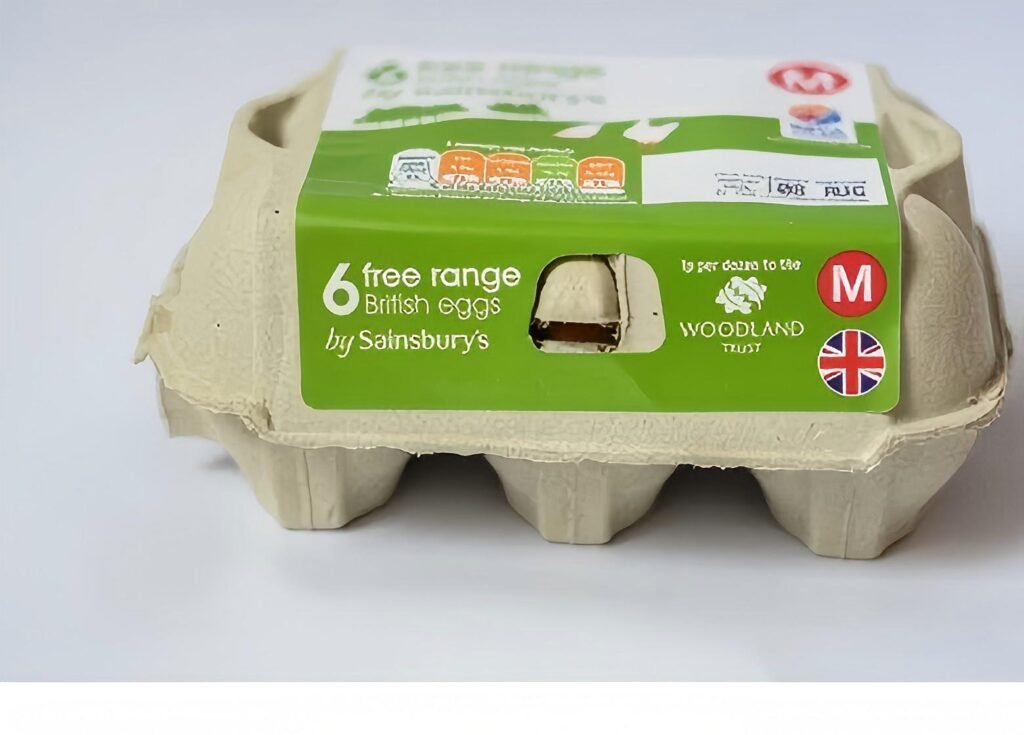
If you want a “simple compliance system,” start by building a documentation checklist. For most food packaging formats, request:
Declaration of Compliance
A written statement confirming the packaging complies with relevant UK food-contact rules for the stated intended use.
Material specifications
Including:
- material type and structure
- coatings and additives
- printing inks and adhesives used (if applicable)
- thickness or weight ranges
Migration testing information
Where relevant, ask for:
- overall migration results
- specific migration results for restricted substances
- test conditions and food simulants used
Good manufacturing practice confirmation
Ask how the supplier controls contamination, traceability, and change management in production.
Special claim documentation
If you plan to claim compostable, recyclable, PFAS-free, plastic-free, or similar, request supporting evidence and scope details.
If a supplier can’t provide documentation and only says “food grade,” treat that as a red flag—especially for printed flexible packaging, coated paper, and plastic items used with hot/fatty foods.
Common packaging types and compliance watch points
Flexible packaging
Watch points:
- inks, adhesives, and “set-off” risk
- barrier layers and seal integrity
- migration risk increases with fatty foods and heat
- recycled-content layers require careful evaluation depending on structure and intended use
Paper boxes and coated paper
Watch points:
- grease barrier coatings and chemical restrictions
- whether the coating affects recyclability claims
- recycled paper for direct food contact requires careful control of contaminants
- printed areas should be managed so inks don’t transfer to food-contact surfaces
Bottle packaging and jar packaging
Watch points:
- closures, liners, induction seals, and tamper evidence components
- compatibility with acidic or oily products
- long shelf-life storage conditions
- if using glass, protect against breakage and contamination risk
Pump and dispenser
Watch points:
- suitability for food contact for the product path
- material compatibility with oils, acids, alcohol-containing flavorings
- cleaning and hygiene expectations for reuse/refill models
Great Britain vs Northern Ireland
This is a common point of confusion. In general:
- Great Britain uses UK rules and UK market requirements
- Northern Ireland can align more closely with EU rules in certain product areas due to post-Brexit arrangements
If you sell in both GB and NI, confirm that your food-contact documentation and any labeling decisions are acceptable for both markets, and plan your packaging files accordingly.
Packaging waste obligations and EPR
Many businesses focus only on food-contact safety and get surprised by packaging waste compliance.
Key concept:
If you place packaging onto the UK market, you may have reporting and financial obligations under producer responsibility rules, especially as Extended Producer Responsibility becomes more fully implemented.
Practical actions:
- Identify whether you are obligated to register/report based on your turnover and packaging tonnage
- Track packaging weights by material type
- Keep supplier specs and weights consistent across SKUs
- Plan ahead for cost impacts if your packaging is hard to recycle
Because thresholds and timelines can change, check the current UK government guidance for the latest requirements.
Recycling and disposal labeling in the UK
UK recyclability labeling is not “one symbol fits all.” Consumer understanding is heavily influenced by UK labeling schemes and local collection rules.
Practical best practices:
- Use clear component-level instructions when needed
Example: “Bottle: Recycle. Pump: Check locally.” - Avoid vague “recyclable” claims if real-world acceptance is limited
- Ensure labels, adhesives, and coatings do not undermine recyclability goals
If your product is sold nationwide, remember that collection can vary by council. Your messaging should be careful and defensible.
Single-use packaging restrictions
Restrictions on certain single-use items can apply to foodservice and takeaway contexts, and rules can differ across England, Scotland, Wales, and Northern Ireland.
Practical approach:
- Confirm whether your specific item category is restricted in your selling region
- Don’t assume that “paper” automatically avoids restrictions if the item is plastic-coated or treated as plastic under local definitions
- Keep evidence files showing material composition and supplier declarations
A simple step-by-step UK compliance workflow
Use this as a repeatable process for each packaging SKU.
Step 1: Define the food and use conditions
Document:
- food type: dry, wet, oily, acidic
- temperature: hot fill, chilled, frozen
- contact time: short takeaway vs months of shelf life
- heating: microwave/oven or not
- distribution: retail, e-commerce, wholesale
Step 2: Choose packaging materials that match the risk
Examples:
- Hot, oily foods usually need higher-performance barriers and better migration control
- Long shelf-life sauces need excellent closure systems and stable liners
- Frozen foods need cold-crack resistance and seal integrity after freeze-thaw cycles
Step 3: Collect supplier compliance documents
Create a central folder per SKU containing:
- Declaration of Compliance
- specs and structure details
- test reports
- change-control notes and revision history
Step 4: Validate with basic performance tests
Even compliant materials can fail operationally. Validate:
- leak tests and seal integrity
- hot-hold time tests for takeaway
- migration-relevant conditions for hot/fatty contact
- shipping tests for breakage and puncture where relevant
Step 5: Confirm labeling and environmental claims
Only claim what you can prove:
- certified compostable claims require certification scope for the finished structure
- “recyclable” should reflect UK reality for that format
- avoid “biodegradable” unless clearly qualified
Step 6: Maintain traceability
Keep:
- supplier batch records where available
- purchase orders and incoming QC checks
- artwork approvals and version control
- documentation for any material changes
Traceability reduces risk if there’s ever a complaint or investigation.
Common compliance mistakes to avoid
- Using the same packaging for hot oily foods and cold foods without re-checking intended use
- Assuming “compostable” means accepted by local composting systems
- Ignoring inks and adhesives in flexible packaging
- Switching suppliers or materials without updated Declarations of Compliance
- Making recyclability claims that are not realistic for UK collection systems
- Forgetting about NI considerations when selling UK-wide
Quick FAQ
Do I need migration testing for all food packaging
Not always, but you do need evidence that your packaging is safe for its intended use. For higher-risk conditions like hot, oily, long-contact packaging, testing and strong supplier documentation become much more important.
Are paper food boxes automatically compliant
No. Coatings, inks, adhesives, and recycled content can change compliance and performance. Always request a Declaration of Compliance and confirm the intended food types and temperatures.
Can I claim compostable packaging in the UK
Only if you can prove it with appropriate certification and the claim is not misleading. Also consider whether your customers have access to compost collection; otherwise the claim may create confusion.
What’s the biggest compliance risk for takeaway packaging
Leak and grease failures are operational problems, but compliance risks often come from unverified material claims and missing documentation for coatings, inks, and food-contact suitability at heat and fat exposure.
How Supply-Packagings can help
Supply-Packagings provides “supply packagings for everything,” including Bottle Packaging, Jar Packaging, Pump & Dispenser, Flexible Packaging, Paper Boxes, Cosmetic Packaging, Pharmaceutical Containers, Supplement Packaging, and Daily Chemical Packaging—and we support food and beverage brands with packaging formats and documentation workflows designed for real market requirements.
If you share:
- your food type and storage conditions
- target UK region coverage (GB only or GB + NI)
- packaging format (pouch, bottle, jar, carton, dispenser)
- whether you need recyclable or compostable positioning
We can help you select practical structures, align supplier documentation, and build a cleaner compliance file for smoother launches and fewer risks.