

E-commerce customers judge sustainability fast—often within seconds of opening a delivery. Choosing the right recyclable mailer bags can reduce packaging waste, improve unboxing experience, and strengthen brand trust without sacrificing protection or shipping efficiency. In this guide, you’ll find the best recyclable mailer bag types, how to verify recyclability in real life, and how to match mailers to products like cosmetics, supplements, pharmaceuticals, and daily chemical items—while keeping your overall packaging system optimized.
What makes a mailer bag truly recyclable
A mailer is “recyclable” only when it’s designed to pass three practical tests:
- Collection: Is the material accepted in your customers’ recycling programs
- Sortation: Can recycling facilities correctly identify and separate it
- Reprocessing: Can it be turned into usable recycled material at scale
That means the best recyclable mailers usually follow one rule: keep it mono-material and easy to identify.
The two main recyclable mailer pathways
Most recyclable mailer bags fall into one of these routes:
Paper recyclable mailers
Typically curbside recyclable in many regions if clean and uncoated. Great for brands wanting a plastic-free look, but moisture resistance can be limited.
Plastic film recyclable mailers
Usually PE-based and recyclable through store drop-off programs in many markets, and sometimes through curbside where film collection exists. Excellent for water resistance and durability, but labeling must be clear so customers dispose correctly.
Key buying criteria for recyclable mailer bags
Before selecting a “top” option, use these criteria to avoid common e-commerce packaging mistakes:
- Mono-material construction
Avoid mixed laminates that can’t be separated. - Right gauge and strength
Too thin increases damage and returns; too thick increases material footprint. - Closure design
Tear strips, dual adhesive strips for returns, and tamper-evident seals should not compromise recyclability. - Ink and coverage
Heavy ink coverage can affect recyclability and sorting; keep printing efficient. - Labels and shipping pouches
If you add a label pouch, use a recyclable option or design to minimize contamination. - Clear disposal instructions
If it’s store drop-off, say that clearly. If it’s paper curbside, keep it obviously paper.
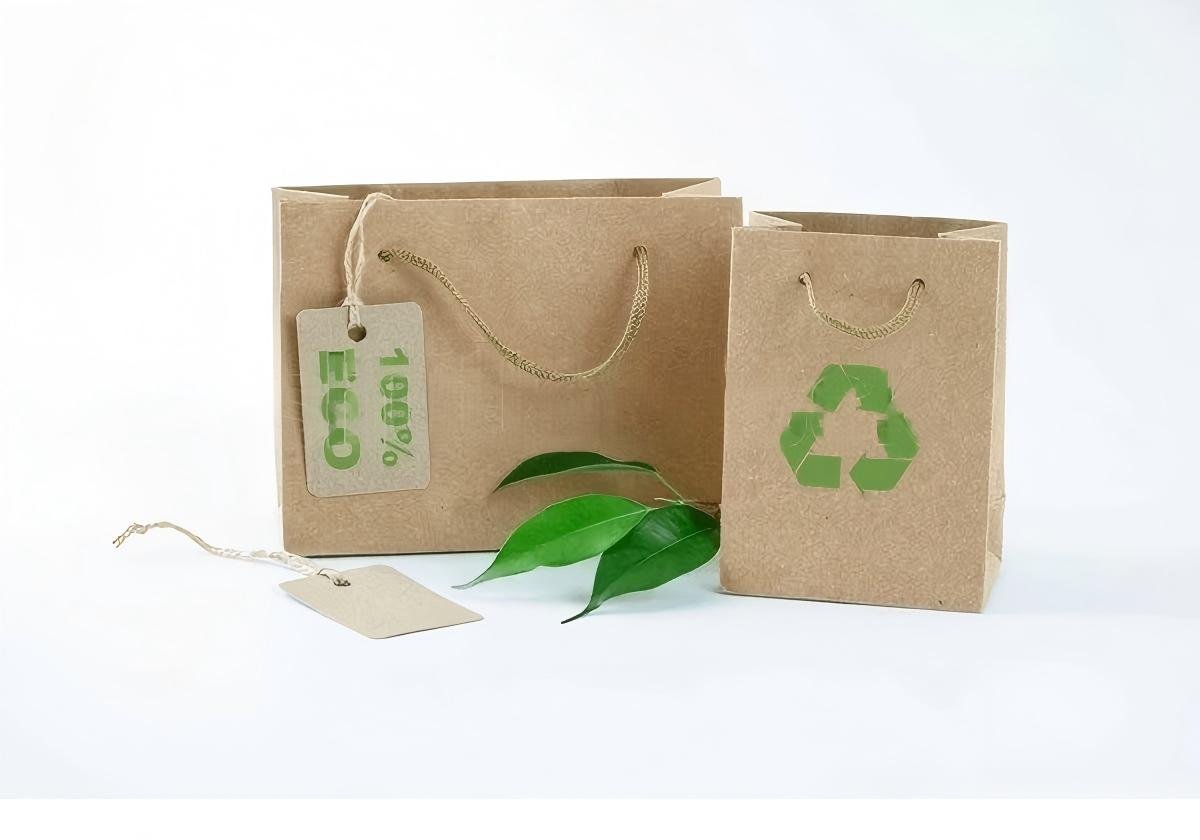
Top recyclable mailer bags for eco-conscious e-commerce brands
Below are the best-performing recyclable mailer types used by modern e-commerce brands, with practical pros, trade-offs, and best-fit use cases.
1. Recycled kraft paper mailer bags
Recycled kraft mailers are a strong go-to for brands that want curbside recyclability and a natural look.
Best for
- Apparel, accessories, boxed cosmetics, supplement bottles in cartons, lightweight non-liquid items
Why eco-conscious brands choose them
- Paper recycling is widely understood by consumers
- Strong branding opportunities with minimal printing
- Works well with paper-based void fill and paper tape
Watch-outs
- Moisture resistance is limited unless coated, and coatings can reduce recyclability
- Not ideal for leak-prone items unless primary packaging is extremely secure
What to look for
- High post-consumer recycled content
- Minimal coatings and no plastic lamination
- Strong bottom construction and reinforced seams
2. Paper mailers with gussets for box-like capacity
Gusseted paper mailers expand, helping you replace small boxes for certain shipments.
Best for
- Small kits, cosmetic sets, multi-item supplement orders, refill pouches packed with inserts
Advantages
- Reduces the need for corrugated boxes in some use cases
- Improves packing speed and right-sizing
Watch-outs
- Heavier than film for the same volume
- Needs strong design to prevent corner crushing
3. 100% paper padded mailers
These are padded mailers that keep both outer and cushioning paper-based.
Best for
- Glass dropper bottles packed securely, small jars, fragile accessories, compact pharmaceuticals shipped in secondary cartons
Advantages
- Paper curbside recyclability in many areas when clean
- Premium unboxing without plastic bubble padding
Watch-outs
- Bulkier than film and can increase dimensional weight
- Cushioning may be less water-resistant than plastic options
Pro tip
Pair with molded fiber inserts for high-value cosmetic packaging shipments when you need extra protection.
4. Mono-material PE recyclable poly mailers
These are classic poly mailers made from polyethylene, designed to be recyclable where film collection exists.
Best for
- Apparel, soft goods, non-breakable items, secondary-packed cosmetics, refill packs, daily chemical items that are well sealed
Advantages
- Lightweight and water-resistant
- Strong tear and puncture resistance
- Great shipping efficiency for high-volume e-commerce
Watch-outs
- Film recycling access varies; many customers need store drop-off
- If you don’t label disposal clearly, real recycling rates drop
What to look for
- Mono-material PE structure
- Clear disposal labeling aligned with your target market
- Minimal additives and clean color choices
5. PCR PE poly mailers
PCR poly mailers use post-consumer recycled content while staying within the PE recyclable pathway.
Best for
- Brands that want measurable sustainability improvements without sacrificing performance
Advantages
- Reduces demand for virgin resin
- Supports circularity in film markets
Watch-outs
- PCR supply consistency can vary by region
- Color variation can occur; plan your branding accordingly
Best practice
Use PCR content claims precisely, such as “Made with 50% post-consumer recycled content,” and maintain documentation from your supplier.
6. Recyclable bubble mailers made from mono-material PE
Some “bubble mailers” are recyclable if both the outer layer and the bubble cushioning are PE and designed for the same recycling stream.
Best for
- Small fragile items, cosmetic tools, samples packed as a set, small bottles when secondary packaging is present
Advantages
- Better impact protection than standard poly mailers
- Water resistance and strong durability
Watch-outs
- Customers may assume “bubble” means non-recyclable; disposal instructions must be extremely clear
- If the mailer uses mixed materials, it may not be recyclable
7. Reusable recyclable mailer bags with dual-seal strips
These mailers are designed for reuse (returns or second-life shipments) while remaining recyclable at end-of-life.
Best for
- Fashion, subscription boxes, refill programs, premium e-commerce where returns are common
Advantages
- Reuse reduces total packaging per customer lifecycle
- Improves customer experience with easy returns
Watch-outs
- Slightly higher unit cost can be offset by fewer returns-related costs and better loyalty
- Requires clear “reuse me” messaging to realize the benefit
8. Hybrid approach with paper outer and recyclable inner protection
Sometimes the “top” choice is not one mailer, but a system: paper mailer + recyclable inner bag or paper wrap.
Best for
- Daily chemical packaging shipments where a secondary containment layer reduces leak risk
- Cosmetic packaging with oils or actives that must not contaminate paper
Advantages
- Keeps the outer pack curbside-paper friendly
- Improves damage control and reduces returns
Watch-outs
- Must be easy for customers to separate
- Avoid permanently bonded mixed materials
How to match recyclable mailer bags to your product category
Selecting the best mailer depends on fragility, leak risk, and customer disposal reality.
Cosmetic packaging
- If shipping glass bottles or jars, prioritize protection: paper padded mailers or molded fiber + paper mailer, or mono-material PE bubble mailers with clear store-drop instructions.
- For items with pumps, reduce breakage risk with better internal stabilization. Pump & dispenser heads are sensitive to impacts.
Supplement packaging
- Supplement bottles often ship well in recycled kraft mailers if the bottle is rigid and sealed.
- For multi-bottle orders, consider gusseted paper mailers or right-sized paper boxes to reduce movement.
Pharmaceutical containers
- Compliance and protection come first. Use mailers that maintain integrity under temperature and transport stress.
- Paper mailers can work for secondary-packed items; padded paper mailers help for fragile products.
Daily chemical packaging
- Leak prevention is critical. If there’s any chance of leakage, film mailers (mono-material PE) can reduce transit contamination and customer complaints.
- Consider secondary containment and strong closure testing for bottle packaging.
Recyclable mailer design tips that improve real-world recycling rates
Even the best material can fail if the design is confusing.
Keep it simple and separable
- Avoid mixing paper + plastic laminations
- Minimize extra components like permanent label pouches
Use clear disposal instructions
- Paper: “Recycle with paper”
- Film: “Recycle with store drop-off” where applicable
- If you sell in multiple countries, localize instructions for key markets
Right-size your mailer
Oversized mailers increase:
- Material use
- Void fill needs
- Dimensional weight shipping costs
Right-sizing often delivers faster sustainability gains than switching materials alone.
Common mistakes eco-conscious brands should avoid
- Calling a film mailer “curbside recyclable” when it’s only accepted via store drop-off
- Using “eco” coatings on paper that reduce recyclability
- Overprinting with heavy ink coverage without checking recyclability impact
- Choosing thin mailers that cause damage, replacements, and returns
- Ignoring the full system: labels, tape, inserts, and inner protection
FAQ
Are poly mailers recyclable
Many poly mailers made from mono-material PE are recyclable in regions with film collection, often via store drop-off. Always confirm local recycling access and label disposal instructions clearly.
Are paper mailer bags always more eco-friendly than plastic mailers
Not always. Paper is often easier to recycle curbside, but it can be heavier and less water-resistant. Film mailers can be very low-material and efficient to ship, but recycling access may be limited. The best choice depends on your products, shipping conditions, and customer recycling options.
What is the best recyclable mailer for cosmetics
For non-fragile items, recycled kraft mailers can work well. For fragile glass bottles or jars, use paper padded mailers, molded fiber protection, or recyclable mono-material bubble mailers depending on damage risk and disposal preferences.
How do I make my e-commerce packaging more sustainable quickly
Start with right-sizing, reduce void fill, switch to recycled-content paper where possible, and choose mono-material mailers with clear disposal labeling. Then optimize protective packaging to reduce damage and returns.
Recyclable mailer bags and full e-commerce packaging from Supply-Packagings
Supply-Packagings provides supply packagings for everything, including Flexible Packaging, Paper Boxes, Bottle Packaging, Jar Packaging, Pump & Dispenser, Cosmetic Packaging, Pharmaceutical Containers, Supplement Packaging, and Daily Chemical Packaging—plus e-commerce-ready packaging components designed for protection and sustainability.
If you share your product type, average order size, shipping regions, and whether you need waterproofing or cushioning, we can recommend the best recyclable mailer bag options and a complete packing system that reduces damage, improves customer experience, and supports credible sustainability claims.