
Packaging is not just a container—it’s a silent salesperson that shapes what customers believe about your product before they ever try it. In retail aisles and online thumbnails, customers use packaging cues to judge quality, safety, value, and “fit” for their lifestyle in seconds. This guide breaks down the psychology behind packaging design and shows how to apply it to real formats like bottle packaging, jar packaging, pump & dispenser, flexible packaging, paper boxes, cosmetic packaging, pharmaceutical containers, supplement packaging, and daily chemical packaging.
Why packaging psychology matters more than ever
Customers are overwhelmed with choices. When products are similar in function, buyers rely on shortcuts—visual and tactile signals that answer:
- Can I trust this brand
- Will this product work for me
- Is it worth the price
- Does it match my identity and values
- Is it safe, clean, and authentic
Packaging is one of the strongest “shortcut” systems because it is immediate, physical, and repeatable. The better your packaging communicates, the less you need to discount.
How customers actually decide using packaging
Most purchase decisions follow a fast pattern:
- Attention: something stands out on shelf or on screen
- Meaning: the brain assigns a category and price expectation
- Trust check: safety, legitimacy, professionalism
- Value judgment: “Is this worth it compared to alternatives”
- Action: pick up, add to cart, subscribe, repurchase
Packaging design influences every step.
The 7 psychological triggers packaging uses to drive sales
1. Fluency: easy to understand feels more trustworthy
“Processing fluency” means the easier something is to visually understand, the more people trust it.
Packaging that sells tends to have:
- Clear product name and type in 1–2 seconds
- Clean hierarchy: brand → product → benefit → details
- Readable typography and high contrast
- Less clutter, fewer competing claims
This matters especially for supplement packaging and pharmaceutical containers, where credibility and clarity are directly tied to purchase confidence.
2. Color psychology: customers infer function and price instantly
Color is not just emotion—it’s category language.
Common expectations:
- White, blue, silver: clinical, clean, “dermatologist” or “lab” vibes
- Black, gold: premium, high-value, luxury
- Green, kraft tones: natural, eco, gentle
- Bright colors: youthful, energetic, mass-market
The best strategy is not “pick the best color,” but “pick the right color for your category and price point.” If your packaging color conflicts with category norms, you’ll need stronger education to sell.
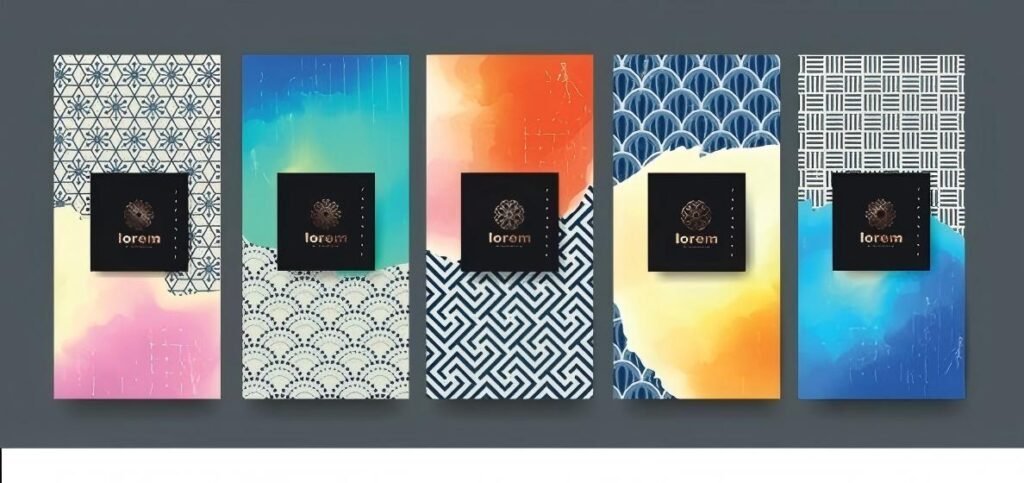
3. Shape and silhouette: premium often looks “designed,” not “random”
Humans recognize shapes faster than text. A distinctive silhouette helps customers remember and repurchase.
High-impact shape cues:
- Bottle shoulders and base geometry
- Jar height-to-width ratio
- Cap height, overcap profile, actuator shape
- Consistent family look across SKUs
For cosmetic packaging, silhouette is often a bigger sales driver than graphics. For daily chemical packaging, ergonomics and grip shape can drive repeat purchase because the product is used frequently.
4. Touch and texture: “feel” becomes proof of quality
Texture is a shortcut for quality because it’s hard to fake at scale.
Premium cues include:
- Matte finishes and soft-touch labels
- Heavier-feel components (without overbuilding)
- Crisp edges on paper boxes
- Smooth pump actuation and controlled dosing
If your product is premium but your pump feels cheap, customers will downgrade perceived value—even if the formula is excellent. Pump & dispenser performance is psychology in motion.
5. Trust signals: safety, authenticity, and professionalism
Trust is a purchase requirement in cosmetics, supplements, and pharma-adjacent products.
Packaging trust builders:
- Tamper-evident features that look intentional
- Consistent batch/lot and date printing when relevant
- Clean label alignment and high print quality
- Clear instructions and warnings where needed
- Leak-proof closures and stable seals
A package that arrives scuffed, leaking, or crushed creates “risk” in the customer’s mind. They may not complain—they just won’t reorder.
6. Convenience: easier use increases repeat purchase
Convenience isn’t just functional—it’s emotional relief. Customers stay loyal to brands that reduce friction.
Examples:
- Pumps that don’t clog or drip
- Caps that open with wet hands
- Jars that don’t trap product under the lid
- Refill systems that are intuitive
This is especially powerful for daily chemical packaging and any subscription model. Better usability often beats extra decoration for long-term sales.
7. Identity and values: “this brand is like me”
Packaging helps customers signal identity: clean girl aesthetic, minimalist, eco-conscious, clinical, luxury, family-safe, etc.
How packaging expresses values:
- Sustainability cues: recycled paper boxes, minimal packaging, clear recycling instructions
- Ingredient cues: botanical illustrations vs clinical typography
- Cultural cues: premium minimalism vs bold expressive design
When packaging matches customer identity, it improves:
- Willingness to pay
- Word-of-mouth sharing
- Repeat purchase
Packaging psychology in e-commerce vs retail
Online
Customers often see:
- A thumbnail image
- One hero shot
- A few lifestyle images
So packaging must work at small sizes:
- Strong contrast and simple hierarchy
- Clear category identification (serum, cleanser, capsules, gummies, etc.)
- Distinctive color block or label architecture
Retail shelf
Customers compare dozens of items side-by-side:
- Packaging must stand out at 3–6 feet
- Then communicate details at hand distance
- Then feel “right” when picked up
Retail advantage: tactile cues matter more (texture, weight, finish).
How to apply packaging psychology by packaging type
Bottle packaging
What drives sales most:
- Silhouette recognition
- Label hierarchy
- Pour/dose control
- Trust cues like seals and leak resistance
High-conversion design moves:
- Use a consistent bottle family across the line
- Make the product type readable in one glance
- Match cap finish to price tier (matte, gloss, metallic)
- Engineer closures so customers never experience leaks
Jar packaging
What drives sales most:
- Premium feel in hand
- Lid quality and smooth open/close
- Clean label and top-view visibility
- Hygiene perception
High-conversion design moves:
- Use a lid finish that signals “premium” or “clinical” intentionally
- Keep jar proportions consistent across SKUs
- Prevent mess: liners and tight tolerances reduce product buildup and dissatisfaction
Pump & dispenser
What drives sales most:
- The first pump experience
- Dose consistency
- No drips, no clogging, no accidental pressing in shipping
High-conversion design moves:
- Match pump output to formula viscosity and usage pattern
- Use locks or overcaps for travel and e-commerce reliability
- Make actuation smooth and quiet—customers interpret this as “quality”
Flexible packaging
What drives sales most:
- Clean front-of-pack layout
- Strong seal integrity
- Ease of opening and resealing
- Sustainability story when supported by reality
High-conversion design moves:
- Use a clear hierarchy and avoid overclaiming
- Make tear notches work consistently
- Add refill messaging if it’s a refill pouch
- Ensure the pouch stands well and photographs cleanly
Paper boxes
What drives sales most:
- “Giftable” look
- Unboxing sequence
- Protection of premium primary packaging
- Perceived brand maturity
High-conversion design moves:
- Use structural design (opening style) as a premium cue
- Keep printing minimal but intentional
- Avoid crushed corners by designing the shipping system properly
Cosmetic packaging
Cosmetics are a packaging-led category. Customers pay for:
- Aesthetic alignment
- Premium feel
- Trust and safety
- Convenience in daily routine
Best practice: treat packaging design and packaging engineering as one system—pretty packaging that leaks is negative marketing.
Pharmaceutical containers
Pharma-adjacent products sell through:
- Clarity
- Compliance cues
- Safety and traceability
- Professional design restraint
Best practice: use clean layout, high readability, and strong sealing. Avoid “too trendy” design that can reduce credibility.
Supplement packaging
Supplements sell on:
- Trust and legitimacy
- Clarity of dosage and benefits
- Tamper evidence
- Consistent quality cues
Best practice: prioritize information hierarchy and readability over heavy graphics. Small design errors here reduce conversion.
Daily chemical packaging
These are high-frequency products. Sales are driven by:
- Convenience and ergonomics
- Leak-free experience
- Refill systems and cost-saving perception
- Clear usage instructions
Best practice: make the package easy to use with wet hands, easy to store, and easy to reorder.
The unboxing effect: why “sequence” matters
Customers remember experiences as a story. Great packaging creates a controlled sequence:
- Outer package looks clean and secure
- Product is presented neatly, not rattling in void fill
- Instructions are obvious
- Disposal and reuse/refill path is clear
You don’t need expensive materials—just intentional structure. Right-sizing and immobilization often create a more premium experience than extra printing.
Common packaging design mistakes that reduce sales
Too many claims on the front
When everything is emphasized, nothing is believed. Customers interpret clutter as low trust.
Weak hierarchy
If customers can’t instantly tell what the product is, they bounce—especially online.
Premium visuals, cheap functionality
A luxury label with a leaking cap or low-quality pump creates cognitive dissonance and kills repeat purchase.
Sustainability claims without clarity
Vague “eco-friendly” language can trigger skepticism. If you claim recyclable or compostable, give clear instructions customers can follow.
Over-customization too early
Too many bottle shapes, too many box sizes, too many finishes increases cost and creates inconsistency, which weakens brand identity.
How to test packaging design like a performance marketer
You can test packaging the same way you test ads—using measurable behaviors.
Practical tests:
- 3-second shelf test: can people name the product and key benefit quickly
- Thumbnail test: can the pack be understood at mobile size
- A/B test product images: compare conversion between label versions
- Unboxing feedback: track reviews mentioning packaging, leaks, damage
- Dispensing test: record pump output consistency and user satisfaction
The goal is not to “make it pretty,” but to make it clear, trusted, and easy.
FAQ
How does packaging design influence buying decisions
Packaging design influences attention, perceived quality, trust, and price expectation. Customers use color, shape, typography, and material feel as shortcuts to decide whether a product is credible and worth buying.
What packaging design elements increase perceived value
Clean hierarchy, premium finishes used sparingly, consistent brand architecture, strong materials, and high-quality functional components like caps and pumps. In many categories, a better dispensing experience increases perceived value more than extra graphics.
Does sustainable packaging increase sales
It can increase conversion and loyalty when it’s credible and convenient. Customers respond well to reduced overpackaging, recyclable paper boxes, PCR materials, and clear disposal instructions—especially in cosmetics, supplements, and daily chemical categories.
What is the biggest packaging mistake brands make
Prioritizing aesthetics over performance. Leaks, breakage, hard-to-open designs, and low-quality pumps quickly destroy trust and repeat purchase behavior.
Build packaging that sells with Supply-Packagings
Supply-Packagings provides supply packagings for everything, including Bottle Packaging, Jar Packaging, Pump & Dispenser, Flexible Packaging, Paper Boxes, Cosmetic Packaging, Pharmaceutical Containers, Supplement Packaging, and Daily Chemical Packaging. We help brands translate packaging psychology into real-world results by combining design consistency, material selection, dispensing performance, protective packaging, and scalable production.
If you share your product category, target market, price point, and current packaging format, we can recommend practical packaging upgrades that improve perceived value, reduce customer friction, and support higher repeat purchase.