

Plant-based packaging is quickly moving from niche to mainstream in retail—driven by consumer pressure, plastic regulations, and brands searching for more sustainable materials. But “plant-based” doesn’t automatically mean low-carbon, recyclable, or compostable in real-world conditions. This article explains what plant-based packaging really is, where it performs best, where it can create problems, and how retail brands can adopt it responsibly across formats like bottle packaging, jar packaging, pump & dispenser, flexible packaging, paper boxes, cosmetic packaging, pharmaceutical containers, supplement packaging, and daily chemical packaging.
What plant-based packaging means
Plant-based packaging typically refers to packaging made partially or fully from renewable biomass instead of fossil fuels. Common sources include:
- Wood pulp and cellulose
- Sugarcane bagasse and other agricultural residues
- Corn or cassava starch
- Bamboo and other fast-growing fibers
- Seaweed and algae
- Mycelium grown on agricultural waste
Plant-based can describe very different products, including paper, molded fiber, bio-based plastics, coated papers, films, foams, and composites. That’s why it’s important to ask: plant-based what, and end-of-life where?
Plant-based does not equal compostable or plastic-free
A few critical clarifications for retail brands:
- Plant-based is about feedstock, not disposal. A plant-based plastic can still behave like conventional plastic at end-of-life.
- Compostable requires certification and specific conditions. Many compostable materials need industrial composting.
- Plastic-free is a different claim. Some plant-based solutions are still “plastic” in function and structure.
The most credible approach is to communicate specific outcomes such as recyclable, made with X% bio-based content, certified compostable, or made with X% PCR.
Why retail is pushing plant-based packaging
Retail is adopting plant-based packaging for three main reasons:
Customers notice packaging first
In many retail categories—beauty, personal care, supplements—packaging is part of the brand identity. A plant-forward material story can increase perceived responsibility and premium value.
Regulations are tightening
Many regions are restricting certain single-use plastics, requiring labeling, or shifting costs via extended producer responsibility programs. Plant-based alternatives are often evaluated as a compliance strategy, especially for secondary packaging.
Brands want alternatives beyond recycled content
PCR supply can be limited or expensive for certain resins and colors. Plant-based materials offer another pathway—when they fit performance and disposal realities.
Is plant-based packaging truly more sustainable
Sometimes yes, sometimes no. Sustainability depends on the full lifecycle:
- Farming and land use impacts
- Energy and water used in processing
- Weight and shipping efficiency
- Product protection and waste reduction
- Local recycling and composting access
For retail, the best solution is often a system: reduce material first, then choose between recyclable, recycled-content, and certified compostable options based on what customers can actually do with the packaging.
The most common plant-based packaging materials in retail
Paper and paperboard
Paper-based packaging is the most established plant-based option, especially for paper boxes, cartons, sleeves, and bags.
Best uses:
- Secondary packaging for cosmetics and supplements
- Retail cartons and gift boxes
- Brand storytelling with minimal coatings
Main watch-outs:
- Plastic lamination and metallized effects can reduce recyclability
- Barrier needs may require coatings that must be qualified carefully
Molded fiber and bagasse
Molded fiber inserts and trays are typically made from recycled pulp or agricultural waste like bagasse.
Best uses:
- Protective inserts for glass bottle packaging and jar packaging
- Retail kits and e-commerce protection
- Replacing plastic trays and foam
Main watch-outs:
- Water resistance varies; treatments can impact compostability/recyclability
- Dimensional precision may be lower than plastic
Cellulose-based films
Cellulose films can offer a plant-based alternative for certain wraps and flexible packaging applications.
Best uses:
- Overwraps and windows on cartons
- Select flexible packaging where certified structures exist
Main watch-outs:
- Coatings and laminations can change end-of-life performance
- Barrier performance must be validated for your product
Starch-based materials
Starch blends can be used for certain compostable applications and loose-fill protection.
Best uses:
- Protective packaging in shipping
- Compostable concepts with strong disposal controls
Main watch-outs:
- Often require industrial composting conditions depending on formulation
- Moisture sensitivity can be a limitation
Bio-based plastics
Bio-based plastics are plastics made from renewable feedstocks. Examples include bio-based PE, PLA, and PHA families.
Best uses:
- Specific flexible packaging or rigid parts where performance is needed
- When you need plastic-like performance but want renewable sourcing
Main watch-outs:
- Bio-based does not automatically improve recyclability
- Compostability depends on material type and certification
- Can create confusion in recycling streams if not labeled responsibly
Emerging plant-based materials
Seaweed-based materials and other innovations are gaining attention.
Best uses:
- Pilot projects and brand-led innovation stories
- Niche retail applications with controlled disposal
Main watch-outs:
- Availability, cost, and scalability vary
- Performance consistency may not match mature materials yet
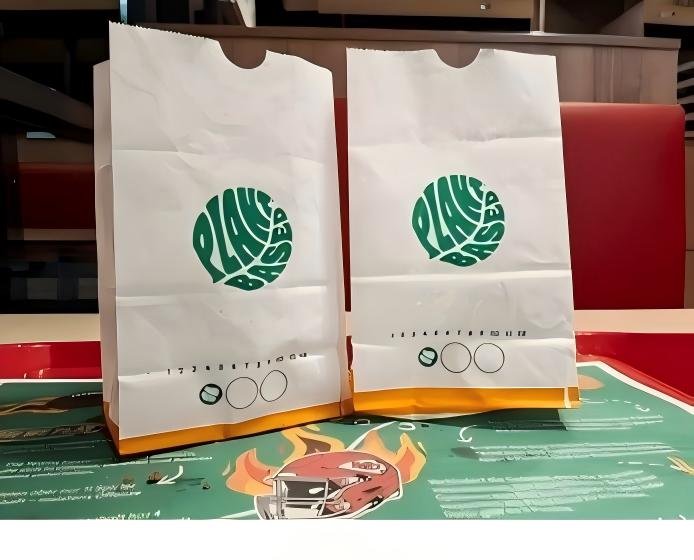
Where plant-based packaging fits best in retail
Retail packaging isn’t one thing. The right plant-based choice depends on the format and the product.
Paper boxes and secondary packaging
This is usually the fastest win:
- Use recycled paperboard or responsibly sourced virgin fiber
- Avoid plastic windows and heavy lamination
- Use molded fiber inserts instead of plastic trays
Why it works:
- High customer understanding
- Strong recycling access in many markets
- Low risk to product stability when used as secondary packaging
Flexible packaging
Plant-based flexible packaging can be effective, but it is the easiest place to make mistakes.
Good use cases:
- When certified compostable flexible packaging is truly collected as compost
- When cellulose-based structures are certified and fit your barrier needs
Common pitfalls:
- Compostable packaging shipped to markets without composting infrastructure
- Mixed laminates marketed as “plant-based” but not actually recyclable or compostable
For many retail brands, a recyclable mono-material PE or PP flexible structure may outperform a plant-based composite in real-world recycling outcomes, depending on local collection.
Bottle packaging and jar packaging
Plant-based options exist, but “best” depends on what you optimize.
Practical pathways:
- Glass or aluminum for premium, refillable retail programs
- Recyclable plastics with PCR content for lightweight shipping
- Limited plant-based plastics when they do not harm existing recycling streams
Key decision point:
- If your goal is carbon reduction, switching from lightweight plastic to heavy glass can increase transport emissions.
- If your goal is reducing plastic pollution perception and enabling reuse, glass or aluminum with refills can be a strong retail strategy.
Pump and dispenser components
This is one of the hardest areas for plant-based packaging.
Why it’s difficult:
- Pumps often combine multiple plastics and metal springs
- End-of-life recycling is already challenging
Better sustainability plays often include:
- Reuse and refill systems that keep the pump in service longer
- Simplified, design-for-recycling pump structures
- Clear consumer instructions to separate components where applicable
Plant-based packaging claims you can use safely
Retail customers respond to sustainability claims, but they also challenge them. Use claims that are specific and defensible:
- “Made with X% bio-based content”
- “Carton made from FSC-certified paper”
- “Made with X% recycled paper”
- “Certified compostable” with the relevant standard and scope
- “Designed for recycling” when aligned with local guidance
Avoid vague claims like “eco-friendly” or “biodegradable” without a defined standard, timeframe, and disposal environment.
Compostable plant-based packaging in retail
Compostable packaging can be a great retail solution when contamination makes recycling unlikely, or when compost collection is strong. But it must be deployed carefully.
Successful compostable retail programs usually require:
- A clear disposal route
- Partnership with composting facilities or retailers with compost bins
- Proper certification and labeling
- Packaging designs tested for disintegration and toxicity requirements
If composting access is low, compostable packaging often ends up in landfill, which reduces the intended benefit.
The hidden cost factors for plant-based packaging
Plant-based packaging may increase costs in ways retail teams don’t expect:
- Higher material costs for specialty films and coatings
- New tooling for molded fiber or unique rigid forms
- Longer lead times and fewer qualified suppliers
- Packaging-line changes for sealing, labeling, or filling
- Increased damage rates if protective performance is underestimated
A smart approach is to pilot plant-based packaging first in secondary packaging, then expand into primary packaging where performance and end-of-life are proven.
A practical roadmap for retail brands adopting plant-based packaging
Step 1: Start with packaging reduction
Before switching materials:
- Right-size cartons
- Remove unnecessary inserts
- Lightweight where possible
- Consolidate SKUs and standardize components
Reducing material often cuts footprint faster than switching materials.
Step 2: Prioritize high-recovery formats
In many retail markets, the highest recovery systems are:
- Paper and cardboard
- Metal
- Glass
- Certain rigid plastics
Use plant-based materials where they improve recovery outcomes, not where they create confusion.
Step 3: Match material to product needs
Examples:
- Cosmetics: paper boxes + molded fiber inserts; premium glass bottles where refill makes sense
- Supplements: recyclable bottles plus paperboard cartons; avoid complex flexible laminates
- Daily chemical: durable bottles plus refill strategies; plant-based secondary packaging where it stays clean
- Pharmaceuticals: compliance first; plant-based typically fits best in secondary packaging rather than primary containers
Step 4: Validate with testing and documentation
Confirm:
- Compatibility and stability for primary packaging
- Seal integrity and transit performance
- Certification scope for compostable claims
- Supplier documentation for bio-based content claims
Step 5: Communicate disposal clearly
Your packaging is only as sustainable as its real disposal path. Use:
- Simple instructions
- Market-appropriate labeling
- QR links to disposal pages when selling across regions
Is plant-based packaging the future of retail
Plant-based packaging will be a major part of retail’s future, but it won’t replace everything. The most realistic future is a mix of:
- Recyclable packaging designed for existing systems
- High recycled content where feasible
- Plant-based paper and fiber solutions for secondary packaging and protection
- Certified compostables in locations with composting infrastructure
- Reuse and refill for high-frequency retail categories
In other words, plant-based packaging is not a single destination—it’s one of the key tools in a broader circular packaging strategy.
FAQ
Is plant-based packaging always compostable
No. Plant-based refers to renewable feedstock, not end-of-life. Compostable packaging must meet specific standards and is often certified for industrial or home composting.
Is plant-based packaging better than recycled packaging
Not automatically. Recycled content often reduces demand for virgin materials and supports circularity. Plant-based materials can be beneficial, especially in paper and fiber formats, but the best choice depends on infrastructure, performance, and total lifecycle impact.
Can plant-based packaging be recyclable
Yes. Many plant-based materials like paperboard are highly recyclable. Some bio-based plastics may also be recyclable if they align with existing resin streams, but they must be designed and labeled carefully.
What is the best plant-based packaging for retail brands
For most retail brands, the fastest and safest wins are plant-based paper boxes, molded fiber inserts, and simplified secondary packaging—then expanding into primary packaging where performance and disposal routes are clear.
Plant-based retail packaging solutions from Supply-Packagings
Supply-Packagings provides supply packagings for everything, including Bottle Packaging, Jar Packaging, Pump & Dispenser, Flexible Packaging, Paper Boxes, Cosmetic Packaging, Pharmaceutical Containers, Supplement Packaging, and Daily Chemical Packaging. If you’re evaluating plant-based packaging for retail, we can help you choose materials that match your product needs, validate performance, and avoid misleading claims—so your sustainability story is credible and your packaging works in real-world logistics.
Share your product category, target markets, packaging format, and desired sustainability claim, and we’ll recommend practical plant-based packaging options and a clear rollout plan.