

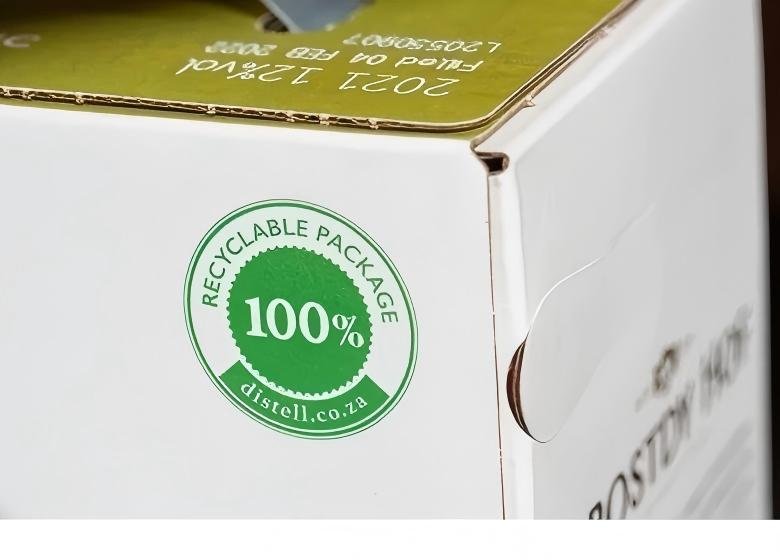
Switching to 100% recyclable packaging is one of the most effective ways to reduce waste, improve customer trust, and future-proof your brand as regulations tighten worldwide. The key is to move beyond marketing claims and redesign your packaging system so it is recyclable by design in the markets where you sell—across primary packs like bottle packaging, jar packaging, pump & dispenser, and secondary packs like flexible packaging, paper boxes, cosmetic packaging, pharmaceutical containers, supplement packaging, and daily chemical packaging.
What “100% recyclable packaging” really means
In real-world sustainability work, “100% recyclable” should mean:
- Every packaging component you put on the market is designed for recycling
- The materials are accepted by recycling programs in your target markets
- The packaging can be sorted correctly and reprocessed into usable material streams
Important reality check: even perfectly designed packaging might not be recycled if local collection is limited or consumers dispose of it incorrectly. That’s why leading brands define goals like “100% recyclable, reusable, or compostable” or “100% recyclable in our key markets.” If your goal is strictly “100% recyclable,” you’ll need to align product-by-product and country-by-country.
Step 1: Audit your current packaging like a recycler would
Before changing materials, map every component and identify what breaks recyclability.
Create a packaging bill of materials for each SKU:
- Primary container: bottle, jar, tube, pharma bottle, supplement jar
- Closure: cap, lid, plug, overcap
- Dispensing system: pump, sprayer, trigger, reducer
- Label: material type, thickness, adhesive type
- Decoration: ink coverage, metallic layers, hot stamping, UV coatings
- Secondary packaging: paper boxes, inserts, shrink wrap
- Shipping protection: void fill, mailers, corrugated cartons
Then flag common recyclability blockers:
- Multi-material structures that can’t be separated
- Dark pigments (especially carbon black) that reduce sorting accuracy
- Full-body shrink sleeves that block scanners
- Metallized films and heavy laminations on paper boxes
- Pumps with metal springs and mixed plastics
- Labels and adhesives that don’t wash off during recycling
Step 2: Choose a clear recyclability standard for your markets
“Recyclable” varies by region, so anchor your decisions to recognized guidance:
- North America: How2Recycle guidance, APR design guidance
- EU: RecyClass guidelines, CEFLEX guidance for flexible packaging
- UK: OPRL labeling guidance
Your internal rule should be: design to the strictest guidance across your major markets so you don’t create different packaging versions unless necessary.
Step 3: Build a recyclable material strategy by packaging type
Below are practical, widely used options brands choose when moving to recyclable packaging.
Bottle packaging
Common recyclable pathways:
- PET bottles for clarity and strong recycling infrastructure in many markets
- HDPE bottles for durability and chemical resistance
- Add PCR content where performance and regulations allow
Best practices:
- Use a recycling-friendly label (material + adhesive that won’t contaminate wash lines)
- Avoid unnecessary pigments and heavy colorants when possible
- Keep the bottle and closure compatible with local streams
Jar packaging
Common recyclable pathways:
- Glass jars for premium cosmetics and certain pharma applications
- PET jars for lightweight shipping and broader recyclability
- PP jars where appropriate and collected
Best practices:
- Minimize mixed materials (liners, inner seals) or ensure they’re easy to remove
- Use labels that peel cleanly or are compatible with recycling wash processes
Pump and dispenser
This is often the hardest part of a “100% recyclable” claim.
Practical options:
- Move to recyclable pump designs where available
- Reduce component count and mixed plastics
- Consider refill systems so the pump is reused while the bottle is recycled
- Where possible, standardize on one resin family for housing parts
Best practices:
- Avoid metal springs when recyclable alternatives exist
- Provide consumer guidance: “Remove pump before recycling bottle” if required
- Test real-world usability—leaks drive product waste, which is worse than packaging waste
Flexible packaging
Flexible packaging can be recyclable, but only with the right structure and local collection.
Practical options:
- Mono-material PE or mono-material PP films designed for recycling streams
- Avoid mixed laminates that can’t be separated
Best practices:
- Confirm collection availability in your markets (store drop-off vs curbside)
- Use clear recycling instructions and avoid misleading claims
Paper boxes and secondary packaging
Practical options:
- Recycled paperboard cartons
- Molded fiber inserts instead of foam plastics
- Water-based coatings rather than plastic lamination
Best practices:
- Keep paper packaging “paper-simple”: minimal coatings, minimal plastic windows
- Make secondary packaging easy to separate from the primary pack
Step 4: Redesign for recyclability, not just material swaps
Material choice is only half the job. Design details decide whether recyclers can recover value.
Key design-for-recycling moves:
- Prefer mono-material packaging wherever possible
- Reduce mixed components and permanently bonded combinations
- Choose labels that are compatible in recycling wash systems
- Avoid metallized finishes and heavy decorative layers that interfere with sorting
- Right-size packaging to reduce material use and shipping emissions
A good test question: Can a consumer separate the parts in under 10 seconds without tools? If not, recycling rates drop.
Step 5: Use PCR content to improve circularity without breaking recyclability
Recyclable packaging is stronger when it also supports recycled markets.
Where PCR fits well:
- rPET bottles and jars
- rHDPE bottles for daily chemical packaging
- rPP closures in some applications
What to manage:
- Color variation and appearance (especially for premium cosmetic packaging)
- Odor control for certain PCR streams
- Regulatory constraints for pharmaceutical containers and some supplement packaging
PCR improves circularity, but don’t let PCR force you into darker colors or complex additives that reduce recyclability.
Step 6: Validate performance so “recyclable” doesn’t cause product waste
A recyclable package that leaks, breaks, or shortens shelf life can increase emissions and waste overall.
Testing areas to validate:
- Compatibility with formula: stress cracking, discoloration, permeability
- Seal integrity: torque, liner performance, leakage under temperature cycles
- Transport: drop tests, vibration, compression for e-commerce shipping
- Dispensing performance: pumps, triggers, sprayers, dosage control
- Label durability: scuff resistance without non-recyclable laminations
For cosmetics, supplements, and pharmaceuticals, stability and compliance come first—then optimize recyclability within those constraints.
Step 7: Roll out changes with a phased conversion plan
A practical conversion plan helps avoid supply disruption and obsolete inventory.
Recommended rollout:
- Convert secondary packaging first: paper boxes, inserts, shippers
- Convert primary containers: bottles, jars
- Convert the hardest components last: pumps, dispensers, complex closures
- Harmonize across SKUs to reduce tooling and improve recycling outcomes
Create a timeline per product line:
- Tooling and sampling
- Material qualification
- Pilot run
- Mass production
- Retail and e-commerce transition dates
Step 8: Label clearly so customers recycle it correctly
Even recyclable packaging fails if customers don’t know what to do.
On-pack labeling best practices:
- Use simple instructions: “Rinse, replace cap, recycle” or “Remove pump, recycle bottle”
- Avoid vague claims like “eco-friendly” without action steps
- If flexible packaging requires special drop-off, state it clearly
- Keep messaging market-specific if disposal rules differ
Clear labeling improves real recycling rates and reduces customer support issues.
Step 9: Track metrics that prove progress
To make “100% recyclable packaging” meaningful, track:
- % of SKUs that are recyclable by your chosen standard
- % of packaging weight that is recyclable
- PCR content percentage by category
- Packaging weight reduction through light-weighting and right-sizing
- Supplier documentation and compliance files
If possible, add lifecycle assessment for major format changes—especially when switching between glass and plastic, where shipping weight can change results.
Common mistakes when trying to go 100% recyclable
- Claiming “100% recyclable” without checking local acceptance and labeling rules
- Switching to mixed-material “innovations” that are not actually recyclable
- Ignoring pumps and dispensers until the end, then failing the overall goal
- Over-decorating packs with metallics and heavy coatings
- Making the pack technically recyclable but too hard for consumers to disassemble
FAQ
Is 100% recyclable packaging possible for pumps and dispensers
It can be challenging because many pumps include mixed plastics and metal springs. Brands often reach the goal by using recyclable pump designs, simplifying components, or shifting to refill systems where the pump is reused and only the bottle is recycled.
Is flexible packaging recyclable
Sometimes. Mono-material PE or PP flexible packaging can be recyclable where collection exists, but availability differs by region. Confirm local programs and provide accurate disposal instructions.
Should I choose glass to be more recyclable
Glass is highly recyclable and can be excellent for jar packaging and premium cosmetics, but it is heavier than plastic and increases shipping emissions. The best choice depends on your product, shipping distance, and whether reuse/refill is possible.
What is the fastest way to make packaging more recyclable
Start with changes that are easy and high-impact: remove plastic lamination from paper boxes, switch to recyclable labels and adhesives, simplify materials, and standardize components across your bottle packaging and jar packaging lines.
Switch to recyclable packaging with Supply-Packagings
Supply-Packagings provides supply packagings for everything, including Bottle Packaging, Jar Packaging, Pump & Dispenser, Flexible Packaging, Paper Boxes, Cosmetic Packaging, Pharmaceutical Containers, Supplement Packaging, and Daily Chemical Packaging. If your brand is planning a transition to 100% recyclable packaging, we can help you select materials, redesign components for recycling, validate performance, and scale production—without sacrificing shelf appeal or compliance.
If you share your product type, markets, packaging format, and target timeline, we can recommend a practical conversion roadmap and recyclable packaging options that match your goals.