
Professional soap and bath product packaging does two jobs at once: it protects formulas that are sensitive to moisture, fragrance loss, and crushing, while also making your brand look trustworthy, premium, and retail-ready. Whether you sell bar soap, liquid hand soap, body wash, bath bombs, bath salts, scrubs, or gift sets, the right packaging system reduces damage, improves customer experience, and helps you scale into boutiques, marketplaces, and e-commerce.
Start with the product type and its biggest risks
“Soap and bath products” is a wide category. Packaging that works for a liquid hand soap may fail completely for a bath bomb. Start by identifying the main failure risk:
- Moisture exposure: bar soaps sweating, bath bombs softening, salts clumping
- Fragrance loss: scented soaps and bath products losing top notes over time
- Oil and color staining: essential oils, botanicals, colorants staining paper
- Crushing and chipping: bath bombs, soap bars, brittle accessories
- Leaking: liquid soap, body wash, shower gels, lotions
- Mess and contamination: open jars, unsealed products, customer handling in retail
- Label durability: wet hands, shower humidity, scuffing in transit
A professional packaging system targets the highest-risk failure first, then improves aesthetics and sustainability.
Choose a complete packaging system, not just a container
Professional packaging usually has 3 layers:
- Primary packaging: touches the product directly
- Secondary packaging: retail box, wrap, sleeve, label system, tamper evidence
- Shipping packaging: protective packaging that prevents leakage and damage in transit
If you only optimize the primary container but ignore shipping protection, you’ll still get negative reviews for leaks, dents, and broken bath bombs.
Bar soap packaging options that look premium and protect quality
Bar soaps need packaging that balances breathability and protection. Too sealed can trap moisture and cause sweating; too open can reduce fragrance and make bars look dusty.
Paper wrap and belly bands
Best for:
- Artisan soap bars with strong visual identity
- Lower-cost packaging that still looks intentional
Pros:
- Low MOQ and easy customization
- Good “handmade” presentation
- Can be paired with a seal sticker for a gift-ready look
Watch-outs:
- Limited moisture barrier
- Scent loss can be faster if storage time is long
Professional tips:
- Use a belly band plus a small inner wrap for better cleanliness
- Consider spot varnish or heavier paper stock for a more premium feel
Paper boxes
Best for:
- Retail shelf, gift sets, stronger premium positioning
Pros:
- Excellent branding and information space
- Better protection against scuffing and handling
- Strong for selling in boutiques and marketplaces
Watch-outs:
- If boxes get wet in the bathroom, they can deform
- Over-finishing can reduce recyclability
Professional tips:
- Use die-cut inserts or trays for multi-bar sets
- Avoid plastic lamination if you want paper recyclability positioning
Inner liners for fragrance and oil control
If your soap contains high essential oil load or strong colorants, consider a light inner liner to reduce staining and fragrance loss. Keep the structure easy to separate for customers.
Liquid soap and body wash packaging that prevents leaks and looks retail-ready
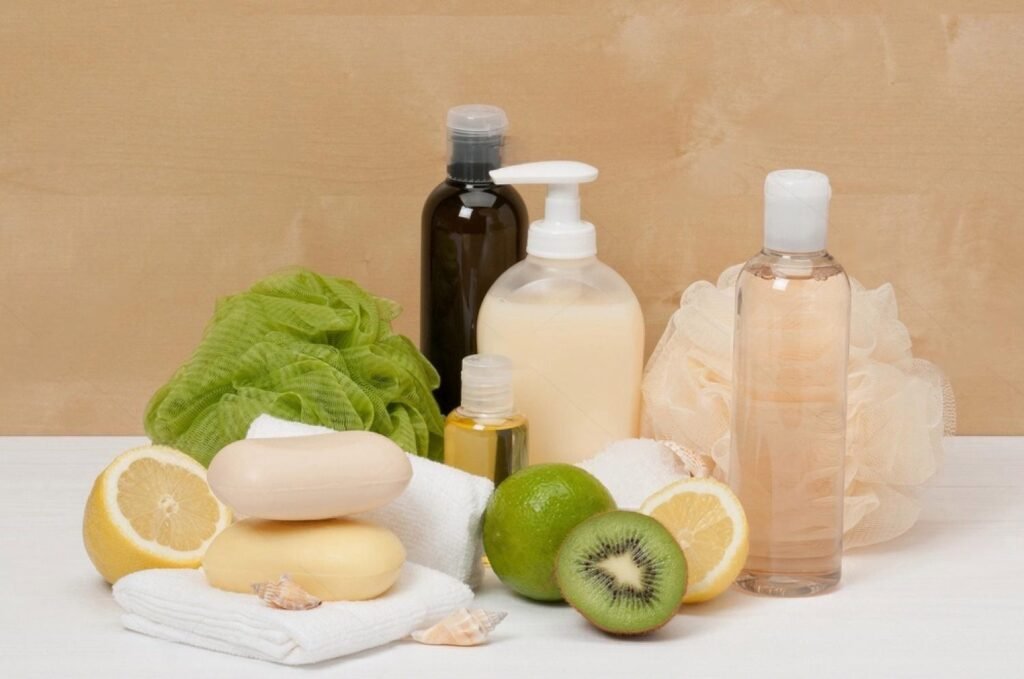
Liquid products need packaging that survives vibration, drops, and temperature swings—especially for e-commerce.
Bottle packaging
Common materials:
- PET, HDPE, PP, and glass for premium concepts
Best for:
- Hand soap, body wash, shower gel, bubble bath
Professional priorities:
- Closure fit and torque control
- Bottle rigidity and panel strength
- Label durability in wet environments
Pump and dispenser choices
A professional pump should match:
- Viscosity of your formula
- Output per stroke desired for user experience
- Locking mechanism for shipping and travel
Common pump upgrades that reduce complaints:
- Lockable pumps to prevent accidental pressing in transit
- Overcaps for premium positioning and extra leak protection
- Consistent dosing for a “quality” feel
Reality check:
Many leak problems are not the bottle—they’re pump selection, liner choice, and torque inconsistency.
Flexible packaging refill pouches
Best for:
- Refill programs for hand soap and body wash
- Brands focused on reducing total packaging per use
Pros:
- Lightweight and shipping-efficient
- Supports sustainability messaging when paired with a reusable bottle
Watch-outs:
- Seal integrity and puncture resistance must be validated
- Disposal depends on local flexible film recycling availability
Bath bomb packaging that survives humidity and shipping
Bath bombs are fragile and moisture-sensitive. Professional packaging must prevent:
- Chipping and cracking
- Moisture softening
- Color transfer and dust mess
Individually wrapped protection
Professional options include:
- Tight wrap to reduce moisture exposure
- Inner wrap + branded outer sleeve for presentation
- Inserts or cavities in gift boxes to immobilize each bomb
Boxed sets with inserts
For gift sets, molded fiber or structured paper inserts keep bath bombs separated and prevent collision during shipping. This is one of the most effective ways to reduce returns.
Labeling and mess control
Bath bombs often shed dust. Design your packaging so:
- The customer’s first touch is clean
- Loose dust stays contained
- The product still looks premium when opened
Bath salts, soaks, and powders packaging that stays dry and easy to use
Salts and powders fail mainly due to humidity and clumping.
Jar packaging
Best for:
- Premium bath salts, scrubs, and soaks
Pros:
- Great shelf presence
- Easy to open and reseal
- Strong option for giftable products
Watch-outs:
- Wide-mouth jars invite moisture entry if left open in bathrooms
- Inner seals and liners matter for freshness
Professional tips:
- Consider inner seals for better humidity protection
- Choose caps that close smoothly and consistently
Supplement-style containers for bath powders
For larger sizes or performance-driven products, rigid containers with strong closures can look clean and professional, while protecting from moisture.
Flexible packaging pouches with zippers
Best for:
- Refill sizes and larger-value packs
Pros:
- Lower shipping weight
- Resealable zippers support long-term use
Watch-outs:
- Zippers must resist clogging from fine powders
- Puncture resistance matters if shipped with other items
Scrubs, butters, and balms packaging that feels premium and stays hygienic
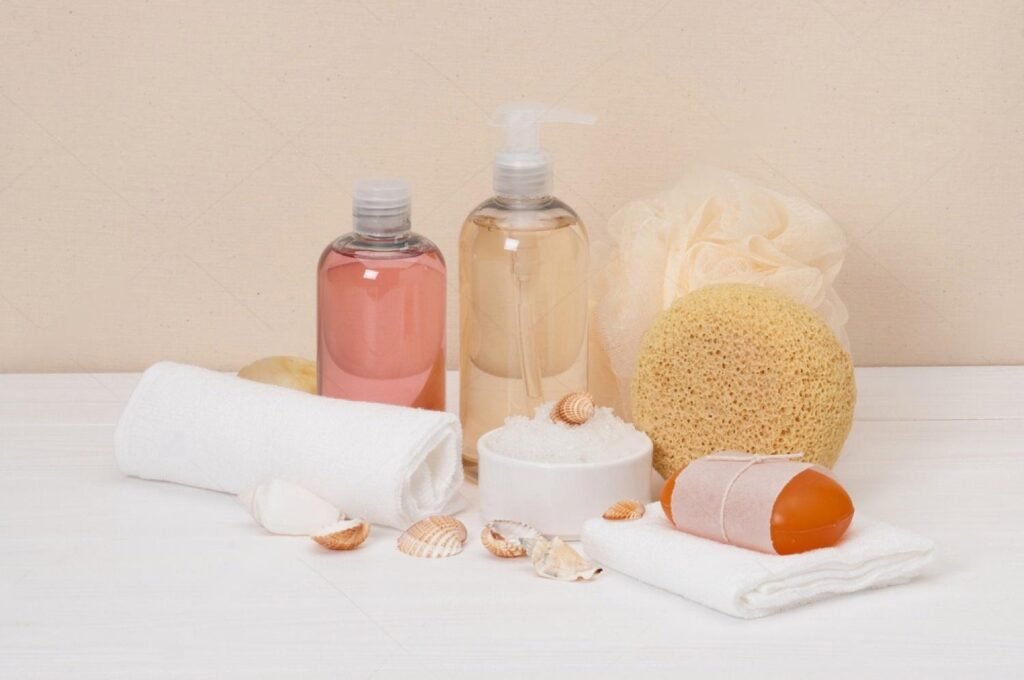
These products often contain oils and butters that can stain labels and attract residue.
Jar packaging
Professional considerations:
- Choose label materials that resist oil and water
- Consider inner lids to reduce mess and improve perceived hygiene
- Ensure cap threading is smooth and consistent
Airless packaging for premium hygiene
For higher-end body creams and butters, airless systems reduce contamination and improve “last drop” evacuation—often a premium differentiator.
Make labeling and compliance look professional
Even for artisan brands, professional packaging needs clean, consistent labeling. At minimum, plan for:
- Product name and variant
- Net weight or volume
- Ingredients list using the format required in your market
- Usage directions and warnings
- Batch or lot coding where needed
- Manufacturer or responsible party details
If you sell in multiple markets, build a label system that can be localized without redesigning everything.
Build gift sets that look premium and ship safely
Soap and bath products sell extremely well as bundles. Professional set packaging should include:
- A structured paper box with clean opening experience
- Inserts to immobilize glass bottles, jars, or bath bombs
- A simple instruction card that explains how to use each item
- Minimal void fill and a right-sized shipping box
A premium set that arrives perfect will generate more reviews and repeat purchases than a cheaper set that arrives crushed.
Sustainability without sacrificing performance
Customers in bath and body care care about sustainability, but performance still matters most. Practical sustainability upgrades include:
- Right-sizing paper boxes and eliminating unnecessary layers
- Using recycled-content paper where possible
- Switching plastic trays to molded fiber inserts for sets
- Using PCR plastics for bottles when compatible
- Introducing refills for high-frequency products like hand soap and body wash
Avoid sustainability moves that increase leakage or damage—replacement shipments and wasted product often create a bigger footprint than the packaging material itself.
E-commerce shipping checklist for soap and bath products
Use this checklist to reduce damaged deliveries:
- Bottles and jars immobilized so they cannot hit box walls
- Pumps locked or protected with overcaps
- Liquids packed with secondary containment when needed
- Bath bombs separated and cushioned to prevent collision
- Paper boxes protected from corner crush
- Outer shipping box right-sized with minimal movement
- Drop and vibration tests run for your highest-volume SKUs
How Supply-Packagings supports professional soap and bath packaging
Supply-Packagings provides supply packagings for everything, including Bottle Packaging, Jar Packaging, Pump & Dispenser, Flexible Packaging, Paper Boxes, Cosmetic Packaging, Pharmaceutical Containers, Supplement Packaging, and Daily Chemical Packaging. If you tell us your product type, size, formula behavior, sales channel, and brand style, we can recommend a professional packaging system that improves shelf appeal, reduces leakage and damage, and scales reliably from small batches to full production.