
Amazon FBA can scale your business fast, but it also has strict packaging, prep, and labeling rules—especially for fragile items, liquids, and multi-component products. If your units arrive non-compliant, Amazon may refuse inventory, re-prep it with extra fees, delay receiving, or even dispose of shipments. This guide explains how to package products to meet Amazon FBA requirements, with practical checklists for bottle packaging, jar packaging, pump & dispenser, flexible packaging, paper boxes, cosmetic packaging, pharmaceutical containers, supplement packaging, and daily chemical packaging.
Understand what Amazon FBA checks
Amazon evaluates your products at two levels:
Unit-level requirements
This is the packaging for each sellable unit. Amazon wants units to be:
- Secure and fully contained
- Safe for workers and automation
- Scannable with a readable barcode
- Protected against leaks, dust, and damage
- Clearly labeled for special handling such as expiration dates
Shipment and carton-level requirements
This is the outer cartons you ship to Amazon fulfillment centers. Amazon expects:
- Correct carton labels
- Proper carton condition and strength
- Correct quantities per carton for case-packed shipments
- No prohibited packaging and no loose units inside cartons
Choose the right FBA prep path
There are three common ways sellers handle prep:
Self-prep
You package and label units to Amazon standards before shipping.
Amazon prep service
Amazon will prep units for a fee, but only if the listing is set up correctly and your inbound units still meet minimum requirements.
Third-party prep or co-packer
A prep center or packaging supplier handles compliance, bundling, labeling, and packing to reduce errors.
If you ship cosmetics, supplements, or daily chemical products with higher risk of leakage or damage, investing in a professional prep workflow typically reduces total cost versus repeated non-compliance and returns.
Core packaging rules that apply to most FBA products
Units must be fully contained
Amazon does not want products that can spill, open, or fall apart in handling. Ensure:
- Caps stay on
- Boxes do not pop open
- Sets remain together
- Parts do not separate in transit
Nothing sharp, sticky, or exposed
If your product can cut, puncture, or leak, it must be protected so it’s safe to handle.
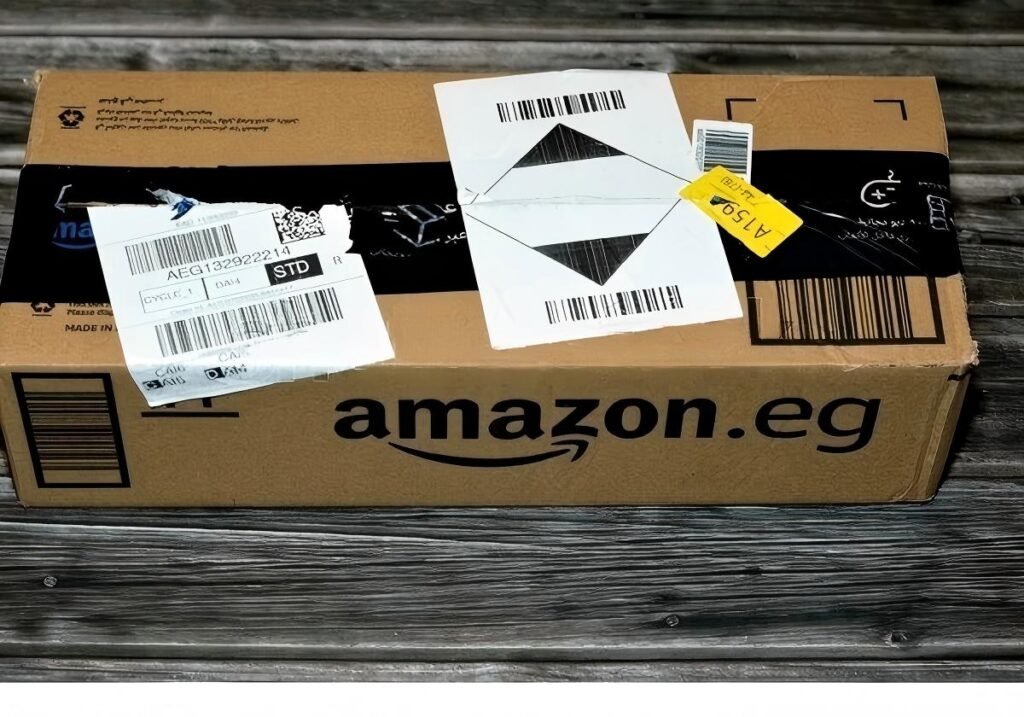
Barcodes must be scannable
Common issues that fail receiving:
- Barcode placed over seams or corners
- Barcode covered by glossy wrap wrinkles
- Multiple barcodes visible and not properly covered
- Labels that peel off
Packaging must survive real handling
FBA is not gentle. If your unit packaging is weak, Amazon’s handling and storage will expose it quickly.
How to package by product type
Below are practical unit-prep approaches that commonly pass Amazon FBA checks.
Bottle packaging
Best practices
- Use leak-resistant closures with correct torque
- Add tamper evidence where appropriate
- Use secondary containment for high-risk liquids
- Prevent bottle movement inside any retail carton
What Amazon commonly rejects
- Loose caps or leaking bottles
- Bottles shipped with no protection that can scuff, dent, or crack
- Bottles in cartons with too much empty space causing impact damage
Recommended solutions
- Bottle + cap with a secure seal
- Shrink band or tamper seal if needed
- Polybagging or overwrap for certain products to contain leaks
- Protective inserts for glass bottles
Jar packaging
Best practices
- Protect the rim and shoulder area, especially for glass
- Use liners and seals that maintain closure integrity during vibration
- Prevent jar-to-jar contact for multi-packs
Recommended solutions
- Molded fiber or corrugated partitions for sets
- Tight-fitting cartons with internal bracing
- Overwrap or bagging to prevent contamination if breakage occurs
Pump and dispenser products
Best practices
- Protect actuators from side-load impacts
- Prevent pumps from being pressed during transit
- Ensure no leakage under vibration and temperature changes
Common failure modes
- Pump heads cracking
- Actuators popping off
- Micro-leaks from repeated vibration
Recommended solutions
- Use overcaps or locking mechanisms when available
- Add internal bracing around the neck area
- Consider shipping the pump locked and immobilized inside a carton for premium cosmetic packaging
Flexible packaging
Best practices
- Use puncture-resistant outer protection if needed
- Ensure seals and spouts cannot be stressed in transit
- Use snug ship-ready packaging to prevent movement
Recommended solutions
- A protective retail carton or rigid mailer for puncture-prone pouches
- Secondary bagging for liquids to contain leaks
- Avoid oversized packaging that allows bending and corner stress
Paper boxes
Best practices
- Prevent boxes from opening
- Protect corners against crushing
- Ensure barcodes remain scannable and don’t wrap over edges
Recommended solutions
- Seals or clear overwrap to keep cartons closed
- Stronger paperboard grade for heavier items
- Right-sized outer cartons to avoid compression damage
Paper boxes are often compliant, but they frequently fail due to crushed corners and poor sealing—especially for cosmetic packaging gift sets.
Cosmetic packaging
Cosmetics often combine fragile materials, premium decoration, and dispenser components.
Best practices
- Validate packaging compatibility with formulas
- Prevent leaks and scuffs
- Keep sets and kits fully contained
Recommended solutions
- Protective inserts for glass bottles and jars
- Overwrap or polybagging to protect cartons from scuffing
- Strong, stable secondary packaging for multi-item bundles
Pharmaceutical containers and supplement packaging
These categories often require strong presentation and clear labeling.
Best practices
- Use tamper-evident features where required
- Keep labels readable and undamaged
- Add expiration dates if applicable and ensure they are easy to find
Recommended solutions
- HDPE or PET bottles with secure closures
- Protective cartons that don’t deform
- Clear labeling workflow to avoid barcode conflicts
Daily chemical packaging
Daily chemical products are high-risk for leakage.
Best practices
- Assume vibration and temperature swings during shipping
- Use secondary containment where leakage would cause costly damage
- Choose packaging that prevents accidental dispensing
Recommended solutions
- Strong closures plus liners
- Bagging or overwrap for liquids
- Protective outer packaging that stabilizes heavy bottles
Polybags, shrink wrap, and overwrap rules you should follow
Amazon frequently requires bagging or overwrap for specific items to prevent dust, leakage, or parts separation.
Polybagging best practices
- Use a bag that fits snugly with minimal excess film
- Seal fully so the product cannot slide out
- Keep the barcode scannable on the outside
Suffocation warning
If your polybag opening is large enough to trigger suffocation-risk rules, Amazon typically expects a suffocation warning printed or labeled on the bag in a readable format. Confirm the exact requirement for your selling region and product type before mass production.
Avoid common bagging mistakes
- Wrinkled bags covering barcodes
- Weak seals that pop open
- Bags that are too large, creating “ballooning” and damage risk
Barcode and labeling requirements that cause the most problems
FNSKU vs manufacturer barcode
Amazon may require the FNSKU label depending on your listing and inventory tracking settings. The main rule is: only one scannable barcode should be active for Amazon’s workflow.
How to prevent barcode conflicts
- If applying an FNSKU label, ensure other barcodes are covered or rendered non-scannable as required
- Place labels on a flat surface, not across edges or curves
- Use label materials and adhesives that won’t peel in humidity or cold
Expiration date rules
If your product requires an expiration date:
- Print it in the correct format for your region
- Place it where it’s easy to find without opening the product
- Ensure it does not rub off during handling
This is especially important for supplement packaging and certain pharmaceutical containers.
Carton packing rules for shipping to Amazon
Even perfectly prepped units can fail if carton packing is wrong.
Use strong corrugated cartons
- Choose a box strength suitable for your shipment weight and distribution conditions
- Avoid used cartons with weakened corners or old labels
Keep cartons clean and readable
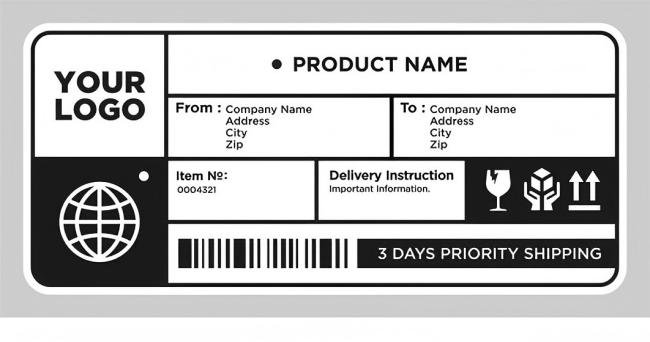
- Remove or cover old shipping labels and barcodes
- Apply carton labels flat and clear
Control movement inside cartons
- Case-packed cartons should not have loose units
- Mixed-SKU cartons should use partitions or bracing when needed, especially for bottles and jars
Avoid common carton failures
- Overweight cartons that break during handling
- Underfilled cartons that crush easily
- Overfilled cartons that bulge and pop tape seams
Packaging testing that improves FBA pass rates
If you sell fragile or liquid products, testing saves money.
Recommended validations:
- Drop testing for multiple orientations
- Vibration testing for long-distance shipment simulation
- Leak testing under temperature cycling for liquids
- Compression testing for stacked carton loads
A frequent lesson: switching from “more void fill” to “immobilization + right-sized carton” reduces both damage and packaging cost.
Common reasons Amazon flags or rejects inventory
- Units arrive leaking, dirty, or exposed
- Sets are not secured and arrive as loose parts
- Barcodes are unreadable or conflicting
- Fragile items arrive broken due to no immobilization
- Cartons arrive crushed, overweight, or mislabeled
A simple FBA packaging checklist you can follow
Unit checklist
- Fully contained and sealed
- Safe edges and no exposure risk
- Scannable barcode with no conflicts
- If liquid, leak-contained and stable
- If fragile, immobilized and cushioned
- If set, bundled so components cannot separate
Carton checklist
- Strong corrugated carton
- Correct labeling and no old labels visible
- Correct counts and minimal internal movement
- Tape pattern supports the weight and conditions
How Supply-Packagings supports Amazon FBA-ready packaging
Supply-Packagings provides supply packagings for everything, including Bottle Packaging, Jar Packaging, Pump & Dispenser, Flexible Packaging, Paper Boxes, Cosmetic Packaging, Pharmaceutical Containers, Supplement Packaging, and Daily Chemical Packaging. If you want to reduce FBA issues and improve receiving speed, we can help you select the right unit packaging, overwrap or bagging options, protective inserts, and outer carton specifications—so your products are safer in transit and more likely to pass Amazon’s requirements on the first attempt.
Share your product type, material, size, shipping method, and whether it’s fragile or liquid, and we can recommend a practical FBA-compliant packaging structure.