
Grease-proof packaging is one of the most requested features in food service and food retail—but it’s also one of the most misunderstood. Many packages look sturdy on the counter, then fail after 15 minutes with hot oil, steam, and vibration: stains appear, boxes soften, bottoms collapse, and customers receive soggy food and messy bags. This guide explains what “grease-proof” really means, which materials actually work in real conditions, and how to choose the right structure for fried foods, pastries, saucy meals, and oily products.
Grease-proof vs grease-resistant
These two terms are often used interchangeably, but they are not the same.
- Grease-resistant means the material slows oil penetration and staining under certain conditions. It may still show oil marks over time, especially with heat.
- Grease-proof implies a higher level of protection where oil does not visibly penetrate or stain during the intended use window.
In real operations, you should define performance by time + temperature + oil type + pressure rather than relying on a marketing word.
Why grease breaks packaging
Grease failures typically happen because of one or more of these factors:
- Heat lowers viscosity so oil moves faster through paper fibers and coatings
- Steam adds moisture, weakening paper stiffness and adhesives
- Pressure and stacking push oil into seams and corners
- Long hold times in delivery bags multiply exposure
- Food acids and salt can affect some coatings and barriers
- Poor folds and leaky seams create “oil highways” even if the base paper is good
If your packaging is used for delivery, vibration and tilting make these problems worse.
What “actually works” depends on your food
Before choosing a material, classify your use case:
- Hot and very oily: fried chicken, fries, tempura, donuts
- Hot and greasy with steam: burgers, shawarma, burritos
- Warm and oily with long hold: pizza, pastries in bags
- Oily sauces: curry, chili oil, creamy pasta
- Cold oily foods: salads with dressing, deli items, cheese
Grease-proofing a donut bag is not the same as grease-proofing a curry bowl.
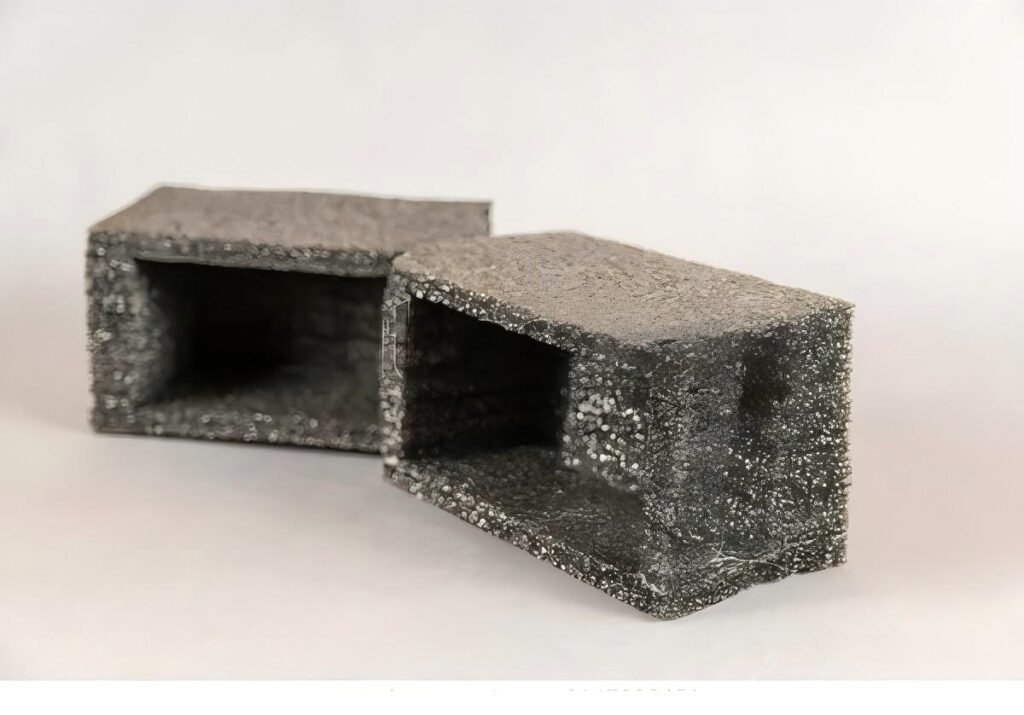
Materials that actually work for grease-proof packaging
Below are the most reliable options used today, with honest strengths and trade-offs.
Grease-resistant paper
Grease-resistant paper is engineered with tighter fiber structure and treatments that reduce oil absorption.
Best for
- Sandwich wraps
- Bakery bags for moderate grease
- Basket liners and tray papers
- Inner wraps for burgers and fried snacks
Why it works
- Affordable and scalable
- Good printability for branding
- Flexible and fast for service
Where it fails
- High-heat oil sitting in one spot
- Long delivery hold times
- Heavy pressure and stacking
Use it correctly
- Choose the right basis weight and resistance grade
- Combine with venting and secondary structures when needed
Glassine paper
Glassine is smooth, dense, and naturally grease resistant.
Best for
- Pastry wraps
- Bakery liners
- Candy and dry oily snacks
- Premium “clean look” wraps
Why it works
- Excellent resistance to grease staining for many bakery uses
- Strong “premium” tactile feel
Where it fails
- Very hot and heavy oil saturation
- Long-duration contact with pooled oil
Parchment-style papers
Parchment-type papers are designed for heat and grease management in certain food applications.
Best for
- Bakery and oven-adjacent uses
- Wrapping warm pastries and baked goods
- Lining for items that release oil gradually
Why it works
- Good heat tolerance
- Reduces sticking and surface staining
Where it fails
- High-volume oil pooling
- Delivery where steam and pressure collapse the structure
Paperboard with barrier coatings
This is the main category for takeaway boxes and clamshell-style paper packaging. Performance depends heavily on the coating type.
Best for
- Fried food boxes
- Burger boxes
- Paper bowls for warm foods
- Bakery cartons with oil risk
Why it works
- Better rigidity than thin paper
- Good branding surface
- Can be designed for venting, stacking, and structure strength
Where it fails
- Wrong barrier for the food: coating softens, cracks, or allows wicking
- Corners and seams not designed for pooled oil
- Long hold times with hot steam
Key reality
Two boxes can look identical and perform completely differently because coatings and seams determine grease performance.
Dispersion and aqueous coated paper
Water-based dispersion coatings can improve grease and moisture resistance while keeping a paper-forward feel.
Best for
- Paper food boxes where you want reduced plastic feel
- Brands aiming for easier fiber-based disposal routes in some markets
Why it works
- Often better recyclability outcomes than heavy plastic lamination, depending on local rules
- Good print surface and premium finish options
Where it fails
- Extreme oil pooling or very high heat without the right coating system
- If coating cracks at folds due to poor converting design
Waxed paper and wax coatings
Waxed paper can resist grease well, but end-of-life and compliance expectations vary by market.
Best for
- Certain wraps and liners
- Short hold time use cases
Watch-outs
- Wax layers may reduce recyclability
- Performance varies by wax type and thickness
- Not all waxed papers are equal for hot oily foods
If you use wax, confirm food-contact compliance documentation and whether it fits your disposal goals.
Molded fiber and bagasse with grease barrier
Molded fiber and bagasse containers are popular for a natural look, but they often need barrier support for high-grease foods.
Best for
- Fried foods when the design includes proper grease control
- Compartment trays for dine-in-to-go
- Short to medium delivery routes
Why it works
- Strong rigidity and good stacking
- Great presentation and sustainability perception
Where it fails
- Soups and oily sauces without a reliable lid and barrier
- Extended hold times where oil and steam soften the fibers
- Cheap grades with inconsistent forming
The barrier treatment and lid geometry matter more than the “bagasse” label.
Aluminum foil containers and foil wraps
Aluminum is one of the most grease-proof options available.
Best for
- High-grease, high-heat foods
- Baked dishes and oven reheat
- Catering trays and heavy sauces with correct lids
Why it works
- Excellent barrier to grease and moisture
- Good heat tolerance
- Strong protection during transport
Trade-offs
- Can deform if thin gauge and stacked poorly
- Lids must be chosen carefully to avoid leaks
- Not ideal for every brand aesthetic
Plastic containers for grease-heavy foods
Plastics like PP are often the most reliable operational option for hot, oily, saucy foods.
Best for
- Curries, oily noodles, creamy pasta
- Fried items with sauce
- Longer delivery times and high vibration routes
Why it works
- Strong leak resistance with the right lid
- Handles heat and oil reliably
- High consistency at scale
Trade-offs
- Sustainability perception can be challenging without a clear plan
- Recycling acceptance varies by region
- Material choice must be aligned with your local disposal reality
The hidden factor: grease-proofing is often a design problem
Even the best material fails if the structure is wrong. The most common structural failure points are:
- Bottom seam and corner folds
- Unsealed side seams
- Poorly designed vents that become oil leak points
- Lids that pop or loosen under heat expansion
- Containers that allow food to sit directly on a fold line
A packaging system that “works” usually includes:
- A grease-resistant inner layer
- A rigid structure that doesn’t collapse with steam
- Venting designed to release steam without leaking oil
- Strong stacking geometry
How to choose the right grease-proof packaging for your menu
Use this practical selection framework.
Step 1: Define the performance window
Write down:
- Hot hold time target: 10 minutes, 30 minutes, 60 minutes
- Delivery mode: dine-in-to-go, in-store takeaway, third-party delivery
- Stacking level: single layer vs multiple items in one bag
- Temperature at packing: very hot vs warm
A box that’s fine for 10 minutes may fail at 45 minutes.
Step 2: Choose your core container based on food behavior
Fried foods and snacks
Best starting options:
- Vented paperboard boxes with proven grease barrier
- Bagasse clamshells designed for grease and venting
- Inner grease-resistant paper liner for extra protection
Avoid:
- Airtight containers that trap steam and ruin crispness
- Low-grade kraft boxes without proper barrier
Burgers and sandwiches
Best starting options:
- Paperboard clamshells with grease barrier + light venting
- Inner wraps using grease-resistant paper
Key idea:
- Separate the “grease layer” from the “structure layer.” Inner wraps protect the box and improve appearance.
Pizza and baked items
Best starting options:
- Strong corrugated pizza boxes with controlled venting
- Grease-resistant liners for extra oily toppings
- For slices: paperboard slice carriers with barrier
Key idea:
- Prevent oil pooling at corners; choose designs that spread contact area.
Saucy oily meals
Best starting options:
- PP bowls with secure lids for long routes
- High-performance paper bowls only if the barrier and lids are validated
- Secondary containment for high-risk liquids
Key idea:
- If leaks happen, customers blame you, not the container. Prioritize reliability.
Pastries and donuts
Best starting options:
- Glassine bags, grease-resistant paper bags
- Paperboard bakery boxes with barrier where needed
Key idea:
- Shorter hold time usually makes paper solutions very effective here.
Step 3: Confirm food-contact compliance and restricted chemicals
Grease-proofing often relies on coatings. That makes compliance essential.
Ask your supplier for:
- Food-contact compliance documentation for your market
- Coating details and intended use limits
- Statements regarding restricted substances where relevant in your region
If your business operates in multiple countries, requirements can differ. Do not rely on verbal “food grade” claims.
Step 4: Test like delivery, not like a countertop
Run simple in-house tests before committing to a large order:
- Fill with real food at real temperature
- Hold for your maximum delivery time
- Stack as drivers stack
- Do a tip and shake test inside a delivery bag
- Check for staining, bottom softening, and corner leaks
- Open and evaluate food texture, not just packaging appearance
Most grease failures show up at corners and fold lines first.
Step 5: Improve performance with a two-layer strategy
For many restaurants, the best grease control is a system:
- Inner wrap or liner that touches the food
- Outer box that provides structure and branding
This approach:
- Reduces staining complaints
- Keeps boxes stiffer
- Improves presentation
- Can allow you to use a more recyclable outer box because it stays cleaner
Common grease-proof packaging mistakes
- Choosing by look, not by hot oil performance
- Using the same box for fries and for curry
- No venting for crispy foods, causing sogginess and negative reviews
- Assuming “compostable” automatically means grease-proof
- Ignoring seams and folds, where most leaks start
- Oversizing containers, causing sliding, pressure points, and oil pooling
Quick recommendations by business type
Cafés
- Glassine or grease-resistant wraps for pastries
- Paperboard bakery boxes with light barrier for buttery items
- Separate wet components to prevent packaging soak-through
Fast casual and delivery-heavy restaurants
- Validate lid performance and leak resistance first
- Use PP for high-risk sauces when needed
- Use paperboard clamshells with proven barrier for burgers and fried foods
- Add inner liners to keep outer packaging clean and presentable
Meal prep brands
- Focus on seal integrity and long hold times
- Choose containers that maintain rigidity under refrigeration and reheating
- Use secondary containment for oily sauces and dressings
FAQ
What is the most grease-proof packaging material
Aluminum foil structures and well-designed plastic containers are among the most grease-proof options. For paper-based packaging, grease-proof performance depends on the specific paper grade, barrier coating, seam design, and heat exposure time.
Are bagasse containers grease-proof
Some are, many are not. Bagasse performance varies by grade and barrier treatment. For very oily foods and long delivery times, always test with real food and verify lid fit and soak-through behavior.
Can paper packaging be truly grease-proof
Yes in many use cases, but usually through engineered paper grades or barrier coatings. The key is matching the material to heat, oil load, time, and structural design. “Kraft paper” alone is rarely enough for heavy hot grease.
How do I stop grease stains on takeaway bags
Use an inner liner or wrap, upgrade the primary container barrier, and avoid placing very hot oily items directly on bag bottoms without a tray or insert. Grease stains often come from corner leaks or bottom softening in boxes.
Grease-proof packaging solutions from Supply-Packagings
Supply-Packagings provides supply packagings for everything, including flexible packaging, paper boxes, bottle packaging, jar packaging, pump & dispenser components, and more. If you need grease-proof packaging for fried foods, bakery, sauces, or delivery-heavy operations, we can help you select the right materials, coatings, structures, and sealing approaches—so your packaging stays clean, holds shape, and performs in real transit conditions.
Share your menu type, service temperature, average delivery time, and whether you need compostable or recyclable options in your market, and we’ll recommend a practical grease-proof packaging setup that works.