

Corrugated boxes are the backbone of modern shipping because they deliver strong protection at a relatively low weight and cost. But not all corrugated boxes are the same: choosing single wall vs double wall vs triple wall can directly impact shipping damage rates, dimensional weight costs, pallet stability, and customer experience. This guide explains how corrugated board is built, what “wall” really means, how to read strength ratings, and how to select the right box for products like bottle packaging, jar packaging, pump & dispenser, flexible packaging, paper boxes, cosmetic packaging, pharmaceutical containers, supplement packaging, and daily chemical packaging.
What is a corrugated box
A corrugated box is made from corrugated fiberboard, which combines:
- Liners: flat paper sheets on the outside surfaces
- Medium: a wavy fluted sheet between liners
That fluted structure creates a lightweight “beam” effect that improves:
- Compression strength for stacking
- Cushioning against impacts and vibration
- Rigidity for handling and transport
Corrugated boxes are used for both shipping cartons and outer cases for retail distribution, and they often work together with inserts like partitions, molded fiber trays, or paper cushioning.
What does single wall, double wall, and triple wall mean
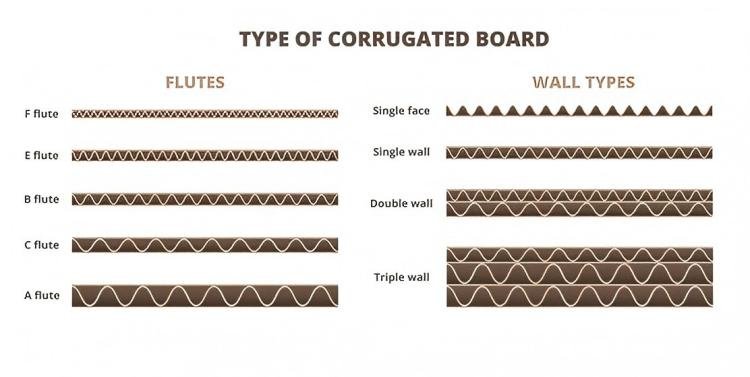
“Wall” refers to how many fluted mediums are inside the board.
Single wall
- Structure: 2 liners + 1 fluted medium
- Most common choice for e-commerce and retail shipping
Double wall
- Structure: 3 liners + 2 fluted mediums
- Stronger for heavier loads, stacking, and tougher distribution
Triple wall
- Structure: 4 liners + 3 fluted mediums
- Used when you need extreme strength, often replacing wooden crates
A simple way to remember:
- Single wall for most parcels
- Double wall when weight, stacking, or damage risk increases
- Triple wall for industrial, export, or very heavy products
Corrugated flutes explained
Flutes are the “waves” inside corrugated board. Different flute sizes change thickness, cushioning, and stacking strength.
Common flute types include:
- A flute: thicker, better cushioning, good for fragile items
- B flute: strong puncture resistance, good for printing and die-cuts
- C flute: balanced option, widely used for shipping cartons
- E flute: thinner, good for retail-style mailer boxes and better print surface
- F flute: very thin, premium small packaging and high-quality printing
Many boards combine flutes for performance, such as:
- BC double wall: a common heavy-duty combination with strong stacking and good cushioning
- EB double wall: good print + strength, often for premium shippers
Flute selection matters as much as wall count. A well-chosen flute combination can outperform a “stronger” wall choice that’s poorly matched to the product and shipping environment.
Single wall corrugated boxes
When single wall is the best choice
Single wall is ideal when you have:
- Lightweight to medium weight shipments
- Good internal protection for fragile items
- Shorter shipping distances or controlled handling
- E-commerce parcels that must stay cost-efficient
Best uses by product type
- Cosmetic packaging in retail cartons shipped in mailer boxes
- Supplement packaging like HDPE bottles shipped in partitions or snug cartons
- Flexible packaging pouches shipped in right-sized boxes
- Daily chemical packaging when leakage risk is controlled and products are not extremely heavy
Key risks to manage
- Overpacking a single wall box with heavy items
- Using oversized boxes that increase movement and reduce protection
- Underestimating stacking compression in carrier networks
Single wall is the best value for many brands, but it must be paired with right-sizing and proper internal blocking and bracing.
Double wall corrugated boxes
When double wall is worth it
Double wall is usually the right upgrade when you face:
- Heavier products or multi-unit bundles
- Higher stacking loads in distribution centers
- Long-distance shipping with more vibration and handling
- Higher damage rates from crushed corners or top-load pressure
Best uses by product type
- Multi-bottle shipments of supplement packaging
- Glass-heavy orders: bottle packaging and jar packaging (especially when shipping multiple glass units)
- Daily chemical packaging like detergents, refills, or multi-liter formats
- Pharmaceutical containers moving through stricter distribution channels where carton integrity matters
What double wall improves
- Better compression strength for stacking
- Better puncture resistance and crush protection
- More margin for real-world handling variability
A common cost-saving strategy is to switch from “more void fill in a single wall” to “better immobilization plus double wall.” This often reduces both damage and total packaging material.
Triple wall corrugated boxes
When triple wall is necessary
Triple wall is used when:
- Products are very heavy or high-value
- Export shipping adds long transit time, humidity swings, and repeated handling
- Pallet stacking loads are extreme
- You want a fiber-based alternative to wooden crates
Best uses by product type
- Industrial bulk shipments of heavy containers
- Large-format liquids or chemical goods where containment and strength are critical
- High-value fragile shipments that require maximum outer protection
Trade-offs
- Higher material cost and higher box weight
- More storage space in the warehouse
- Often unnecessary for standard parcel shipments unless the product is truly heavy or distribution conditions are severe
Triple wall is excellent when justified, but it’s often overused as a “safety blanket.” The smarter path is to identify the real failure mode and design around it.
How to read box strength ratings
Corrugated strength is usually specified with one of these methods:
ECT rating
ECT measures edge crush strength and correlates well with stacking performance. It’s commonly used for modern shipping optimization.
- Higher ECT generally means better stacking strength
- Useful for comparing similar box styles and sizes
Burst strength
Burst measures resistance to puncture and tearing pressure applied to the board.
- Often used for traditional specifications
- Helpful when puncture risk is high
Important: strength ratings only work as intended when the box is:
- Correctly erected and taped
- Not oversized for the load
- Not weakened by moisture or poor storage
How to choose the right wall for your products
Use this practical decision framework.
Step 1: Determine your shipping channel
- Small parcel e-commerce: more drops and corner impacts
- Wholesale and pallet shipping: more compression and stacking loads
- Export: more time, humidity changes, and repeated handling
Step 2: Calculate weight and stacking risk
Ask:
- What is the weight per box
- Will boxes be stacked on pallets
- What is the maximum stack height
- Will cartons sit in humid conditions
If stacking is significant, double wall or higher ECT becomes more important than “thicker-looking” packaging.
Step 3: Identify the failure mode
Look at damage photos and returns:
- Crushed corners and dented cartons: increase compression strength or add corner reinforcement
- Broken glass: improve immobilization, partitions, and cushioning, not just box wall
- Leaks: focus on closures, secondary containment, and vibration testing
- Scuffed labels: add internal separation and reduce movement
Step 4: Decide where strength should come from
Strength can come from:
- Higher wall count
- Better flute combination
- Higher ECT board grade
- Better box style and better tape pattern
- Inserts that transfer load correctly
Often the best cost-performance solution is single wall + correct insert, rather than double wall with random void fill.
Product-specific recommendations
Bottle packaging
- Single wall works for many plastic bottles if the box is right-sized
- Glass bottles often benefit from dividers or molded fiber and may require double wall for multi-unit shipments
- Pump bottles need actuator protection and reduced lateral pressure inside the box
Jar packaging
- Glass jars concentrate impact at the rim and shoulder area
- Use molded fiber trays or corrugated partitions to prevent jar-to-jar contact
- Double wall is often justified when shipping multiple jars or heavy caps
Pump and dispenser
- Dispensing components are sensitive to compression and side loads
- If your shipper is too tight, you may crack collars or deform actuators
- If your shipper is too loose, movement increases and pumps break more often
Choose wall count based on shipment weight, then solve pump damage primarily with immobilization.
Flexible packaging
- Flexible pouches generally don’t need high wall count, but they do need puncture control and snug fit
- Avoid oversized shippers that allow sharp items to damage pouches
Paper boxes and premium cartons
- Premium cosmetic cartons often get “damaged” even if the product survives
- Use mailer-style designs, corner protection, and board grades that resist crushing
- Double wall can help when presentation quality is critical
Pharmaceutical containers
- Distribution environments can demand better carton integrity and scuff protection
- Double wall cases are common for multi-unit shipments to reduce deformation and labeling damage
Supplement packaging
- Multi-bottle orders create high stacking and impact risk
- Dividers plus the right wall count usually cut damage faster than thicker void fill
Daily chemical packaging
- Heavy liquids and leakage risk can justify double wall for strength and containment
- Add secondary containment for high-risk liquids to prevent a single leak from destroying the shipper and adjacent parcels
Single vs double vs triple wall cost and sustainability
Choosing a stronger box can reduce damage, but it also increases material. The most sustainable option is usually the one that minimizes total waste, including:
- Extra corrugated board
- Extra void fill
- Replacement shipments
- Product loss from breakage or leaks
Practical sustainability tips:
- Right-size boxes to cut dimensional weight and material
- Use inserts to immobilize fragile items so you don’t need extreme wall count
- Avoid over-specifying triple wall unless the use case truly requires it
- Store corrugated properly to avoid humidity weakening and hidden failures
Common mistakes when selecting corrugated boxes
- Choosing wall count without considering flute type and ECT
- Using oversized cartons that increase movement and damage
- Upgrading to double wall instead of fixing internal immobilization
- Ignoring humidity and storage conditions that weaken corrugated board
- Using weak tape patterns that undermine a strong board grade
- Designing for single-SKU shipping when most orders are multi-item bundles
FAQ
Is double wall always better than single wall
Not always. Double wall is stronger, but a well-designed single wall shipper with correct inserts and right-sizing can outperform a double wall box with poor internal protection. Choose based on weight, stacking, and damage history.
When do I need triple wall corrugated boxes
Triple wall is typically used for very heavy items, export shipments, extreme stacking loads, or situations where it replaces wooden crates. Most standard e-commerce shipments do not require triple wall.
What is the best flute for shipping fragile items
Thicker flutes like A or C often provide better cushioning, while combinations like BC in double wall deliver strong stacking plus cushioning. The best choice depends on product weight, fragility, and shipping conditions.
Does a stronger box reduce shipping cost
It can reduce total cost if it cuts damage and returns. But stronger boxes can weigh more and cost more. The best approach is balancing board strength with right-sizing and internal immobilization.
Corrugated shipping solutions from Supply-Packagings
Supply-Packagings provides supply packagings for everything, including Bottle Packaging, Jar Packaging, Pump & Dispenser, Flexible Packaging, Paper Boxes, Cosmetic Packaging, Pharmaceutical Containers, Supplement Packaging, and Daily Chemical Packaging. If you’re choosing between single, double, and triple wall corrugated boxes, we can help you match board structure, flute combination, and strength ratings to your real shipping channel—so you reduce damage, reduce wasted material, and control total landed cost.
Share your product type, packed weight, shipping method, and damage issues, and we’ll recommend the most practical corrugated box specification and protective packaging system for your next shipment.