
Tamper-evident packaging is one of the simplest ways to protect your products, your customers, and your brand reputation during shipping. Whether you sell cosmetics, supplements, pharmaceuticals, or daily chemical products, customers want confidence that what they received is unopened, authentic, and safe to use. This guide explains the best tamper-evident packaging options for secure shipping, how each type works, and how to choose the right solution for bottle packaging, jar packaging, pump & dispenser, flexible packaging, paper boxes, cosmetic packaging, pharmaceutical containers, supplement packaging, and daily chemical packaging.
What tamper-evident packaging means
Tamper-evident packaging is designed to provide visible evidence if a product has been opened, altered, or accessed. It does not always prevent tampering—but it makes tampering obvious.
It’s important to separate three concepts:
- Tamper-evident: shows clear evidence of opening
- Tamper-resistant: makes unauthorized access harder
- Tamper-proof: often used in marketing, but rarely absolute in real logistics
For secure shipping, the best approach is a system: primary pack tamper evidence plus secure outer packaging and clear receiving checks.
Why tamper-evident packaging matters in e-commerce shipping
Tamper evidence reduces business risk in multiple ways:
- Builds customer trust and improves repeat purchase
- Helps prevent “item arrived opened” complaints and chargebacks
- Discourages theft and product swapping during transit
- Supports compliance expectations in regulated categories
- Protects brand reputation when shipping through multiple carriers and hubs
It’s especially important for products that are ingested or applied to the body, such as supplement packaging, cosmetic packaging, and pharmaceutical containers.
The best tamper-evident packaging options
Below are the most widely used and reliable tamper-evident packaging solutions, with practical pros, limitations, and best-fit use cases.
Shrink bands and heat shrink sleeves
Shrink bands are plastic bands applied around the cap and neck of a bottle or jar, then heat-shrunk to form a tight seal.
Best for
- Bottle packaging and jar packaging
- Supplements, cosmetics, personal care, and daily chemical products
Why it works
- Very clear “opened vs unopened” signal
- Low unit cost and easy for customers to recognize
- Can also support branding with printed bands
Watch-outs
- Requires heat application process and consistent sizing
- Not ideal if your brand is trying to eliminate plastic components
- Must be strong enough not to tear during normal shipping abrasion
Induction seals
Induction seals are foil liners sealed to the rim of a bottle/jar using induction heating, creating a strong internal seal under the cap.
Best for
- Supplement bottles, pharmaceutical containers, and many daily chemical and cosmetic bottles
Why it works
- Strong evidence of opening
- Helps prevent leakage and oxygen/moisture ingress
- Excellent for high-risk shipping and long supply chains
Watch-outs
- Requires compatible container and cap design
- Must be validated for your product and liner materials
- Customers need easy-peel design to avoid frustration
Induction seals are often one of the highest-ROI upgrades because they improve both security and leak prevention.
Tamper-evident caps and closures
Tamper-evident caps typically include a breakable ring or band that separates when first opened.
Best for
- Bottle packaging in many categories
- Some jar packaging formats
- High-volume products where automation and speed matter
Why it works
- Integrated design, no extra secondary seal needed
- Clear indication once the ring breaks
- Efficient for mass production
Watch-outs
- Must be matched to neck finish precisely
- Not always compatible with every jar style
- Some consumers may not notice a subtle ring break—design clarity matters
Breakable tear strips and tear tapes
Tear strips can be built into pouches, cartons, or overwraps so that opening causes visible damage.
Best for
- Flexible packaging
- Paper boxes for sets, kits, and premium retail cartons
- Subscription packaging where presentation matters
Why it works
- Clean consumer opening experience
- Strong evidence that the pack was opened
Watch-outs
- Must be engineered so it doesn’t tear during transit vibration
- Overly aggressive tear features can cause accidental opening in shipping
Tamper-evident labels and seals
These are adhesive seals placed across an opening seam (cap-to-bottle, lid-to-jar, carton flap). Some are “void” labels that leave a message when removed.
Best for
- Cosmetic packaging sets
- Paper boxes and folding cartons
- Secondary sealing for pumps and dispensers
- Small batches and fast deployment
Why it works
- Flexible and easy to apply
- Can include batch codes, QR codes, or authenticity messaging
- Great for sealing cartons without full overwrap
Watch-outs
- Adhesives must be chosen for temperature and humidity ranges
- Low-quality labels can peel during shipping, creating false “tampered” signals
- Placement must not interfere with barcodes or required labeling
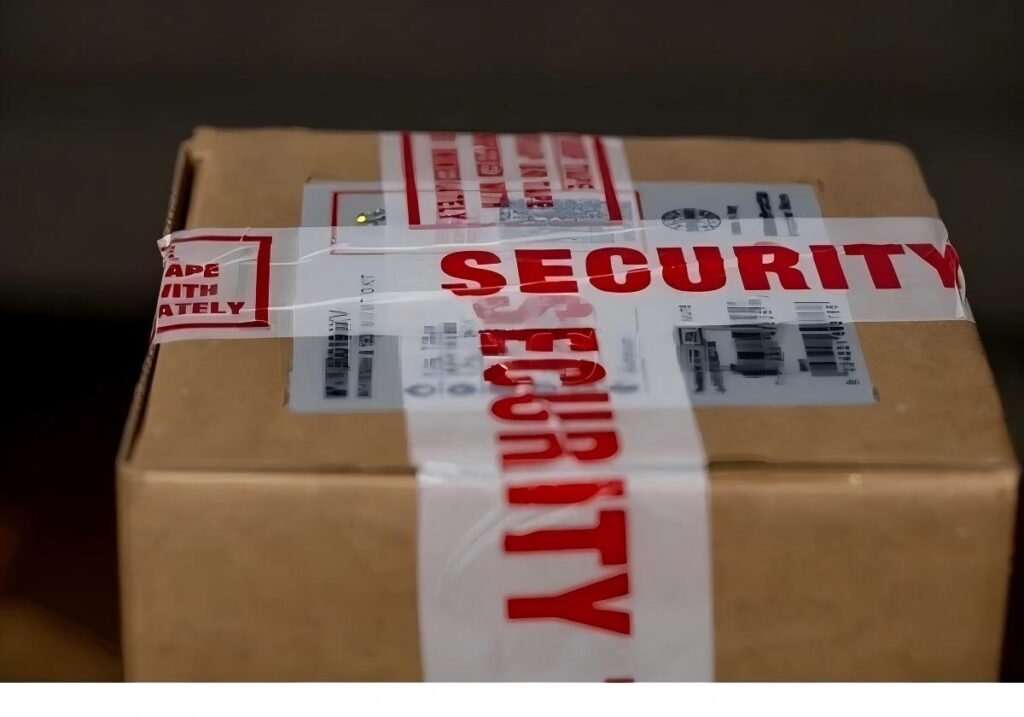
Security tape for shipping cartons
Security tape is applied to the outer shipping carton and shows evidence of cutting, lifting, or re-sealing.
Best for
- High-value shipments
- Multi-unit cartons for supplements and pharmaceuticals
- B2B wholesale case shipments
Why it works
- Protects the shipper itself, not only the unit
- Discourages “open and reseal” tampering in transit
- Helps receiving teams quickly inspect for compromise
Watch-outs
- Can increase packing time
- Requires consistent tape patterns and SOPs
- Not a replacement for unit-level tamper evidence
Tamper-evident poly mailers
These mailers are designed so opening leaves visible evidence, often with permanent adhesive seams and tear-open features.
Best for
- Online sellers shipping non-fragile goods
- Secondary-packed cosmetics and supplements
- Orders where privacy and theft deterrence matter
Why it works
- Fast to pack
- Adds security at the shipment level
- Can reduce “package arrived opened” complaints
Watch-outs
- Does not protect against crush for fragile items
- For liquids, consider secondary containment to avoid leaks
How to choose the right tamper-evident packaging for your product
The “best” option depends on what risk you’re trying to control.
Choose based on your primary risk
- Risk of product alteration: induction seal + tamper-evident cap
- Risk of leaks: induction seal + correct liner + secondary containment for high-risk liquids
- Risk of carton opening: carton seal label or security tape
- Risk of returns fraud: void labels + serialized labels + documented receiving checks
- Risk of pump activation: pump lock + overcap + external label seal
Choose based on your packaging format
- Bottles and jars: shrink band, induction seal, TE cap
- Pumps and dispensers: overcap, locking actuator, neck seal label
- Flexible packaging: heat seals + tear notches + tamper-evident tear strips
- Paper boxes: tear tape or carton seals
Choose based on customer experience
Tamper evidence should protect the product without frustrating the customer. A common best practice is to combine:
- One highly visible external indicator
- One functional internal seal for safety and leakage control
Best tamper-evident packaging by category
Bottle packaging
Recommended combinations:
- Induction seal + tamper-evident cap for supplements and pharmaceuticals
- Shrink band + secure closure for cosmetics and personal care
- For high-risk liquids: add secondary containment during shipping
Key detail:
- Validate torque specs and liner material. A secure seal that leaks will still create distrust.
Jar packaging
Recommended combinations:
- Shrink band around lid and jar neck
- Tamper-evident label across lid seam
- Induction seal for products requiring strong internal sealing
Key detail:
- Protect jar rims and ensure cap fit consistency. Loose caps can break seals in vibration.
Pump and dispenser
Recommended combinations:
- Locking actuator or pump lock clip
- Overcap where possible
- Tamper-evident label bridging cap and neck or carton closure
Key detail:
- Pumps are often the weak point. Prevent accidental pressing during transit, not just tampering.
Flexible packaging
Recommended combinations:
- Strong heat seal design + tear notch
- Tamper-evident tear strip for premium pouches
- Secondary pouch inside a shipper when puncture/leak risk is high
Key detail:
- The seal is the security feature. If seals are inconsistent, tamper evidence becomes meaningless.
Paper boxes
Recommended combinations:
- Tamper-evident label seal on carton flap
- Tear tape or tear strip integrated into the carton
- Optional internal seal for the primary pack inside
Key detail:
- Avoid seals that look “re-sealable.” Customers want a clear one-time open signal.
Cosmetic packaging
Recommended combinations:
- Shrink bands for bottles and jars
- Carton seals for gift sets
- Authenticity labels or QR verification for premium lines
Key detail:
- Cosmetic customers often judge packaging quality harshly. Use clean, intentional placement and avoid messy overwrap.
Pharmaceutical containers
Recommended combinations:
- Induction seal + tamper-evident cap
- Clear lot/expiration printing with strong traceability
- Secure shipping cartons with controlled tape patterns
Key detail:
- Compliance and patient safety come first. Use proven sealing systems and maintain documentation.
Supplement packaging
Recommended combinations:
- Induction seal + TE cap as the default
- Optional shrink band for extra visible assurance
- Carton security tape for multi-bottle shipments
Key detail:
- Supplements are high-risk for trust issues. Strong tamper evidence often reduces refunds and negative reviews.
Daily chemical packaging
Recommended combinations:
- TE closures + leak-control sealing
- Secondary containment for high-risk liquids
- Shipping carton security tape when theft risk is high
Key detail:
- Many daily chemical products fail from micro-leaks under vibration, which customers interpret as “opened” or “used.” Security must include leak prevention.
A tamper-evident packaging checklist for secure shipping
Use this checklist when you’re setting up a new SKU or upgrading an existing pack.
Unit-level checklist
- The unit has at least one clear, visible tamper-evident feature
- The unit has a functional seal appropriate for the product risk
- The seal cannot be removed and reapplied without obvious evidence
- Labels and seals stay attached through temperature and humidity changes
- Barcodes remain scannable and are not covered by seals or wrinkles
- Opening is intuitive for customers and does not require tools
Shipment-level checklist
- Outer carton is fully sealed with a consistent tape pattern
- High-value shipments use security tape or additional sealing controls
- Internal packaging prevents movement that can break seals
- For liquids, add containment measures for high-risk SKUs
- Receiving inspection process is defined for warehouses and prep centers
Testing checklist
- Drop tests for corner, edge, and face impacts
- Vibration testing to catch cap loosening and micro-leaks
- Compression testing for stacking loads
- Adhesive aging tests for seals and labels in hot and cold conditions
Common mistakes that weaken tamper evidence
- Using a seal that peels off cleanly, creating easy re-seal risk
- Choosing adhesives that fail in cold weather, causing false tamper alarms
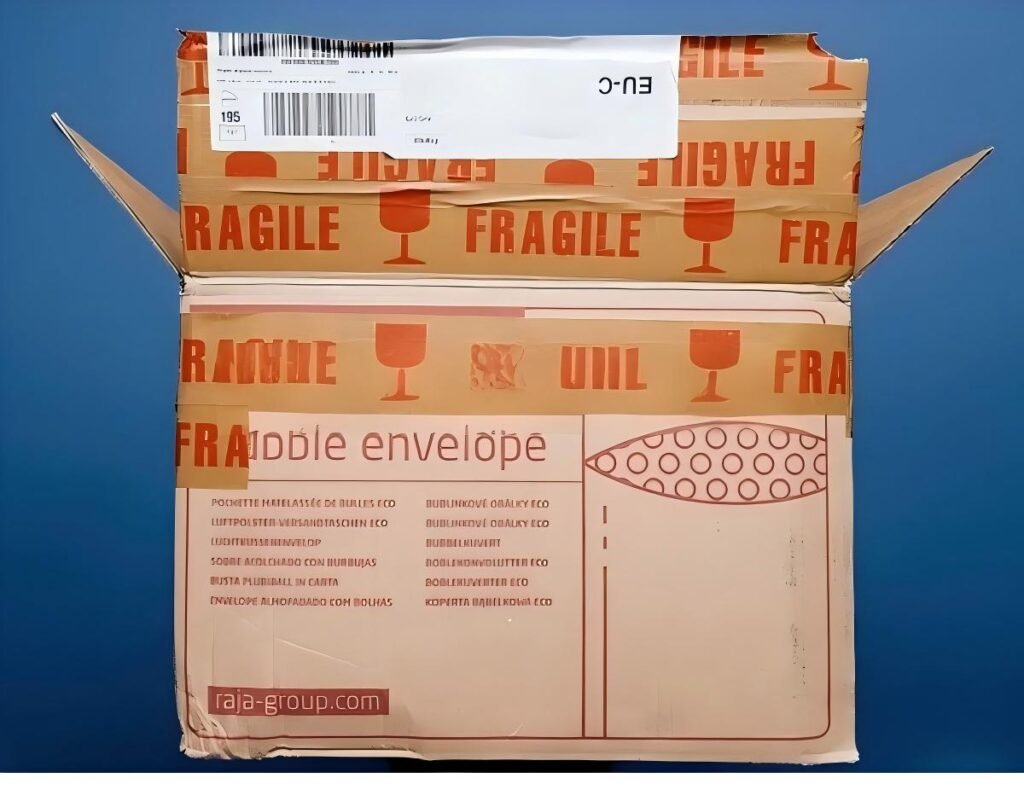
- Relying on “Fragile” or “Do not open” labels instead of real tamper evidence
- Sealing the shipper but not sealing the unit, enabling product access inside
- Ignoring vibration, which can loosen caps and break seals without tampering
- Making tamper evidence too subtle for customers to notice
How Supply-Packagings supports secure tamper-evident packaging
Supply-Packagings provides supply packagings for everything, including Bottle Packaging, Jar Packaging, Pump & Dispenser, Flexible Packaging, Paper Boxes, Cosmetic Packaging, Pharmaceutical Containers, Supplement Packaging, and Daily Chemical Packaging. If you need tamper-evident packaging for secure shipping, we can help you choose the best combination of closures, seals, labels, and outer packaging—balanced for protection, customer experience, and scalable production.
Share your product type, container format, shipping channel, and target markets, and we’ll recommend a tamper-evident packaging system that reduces risk and improves customer confidence.