
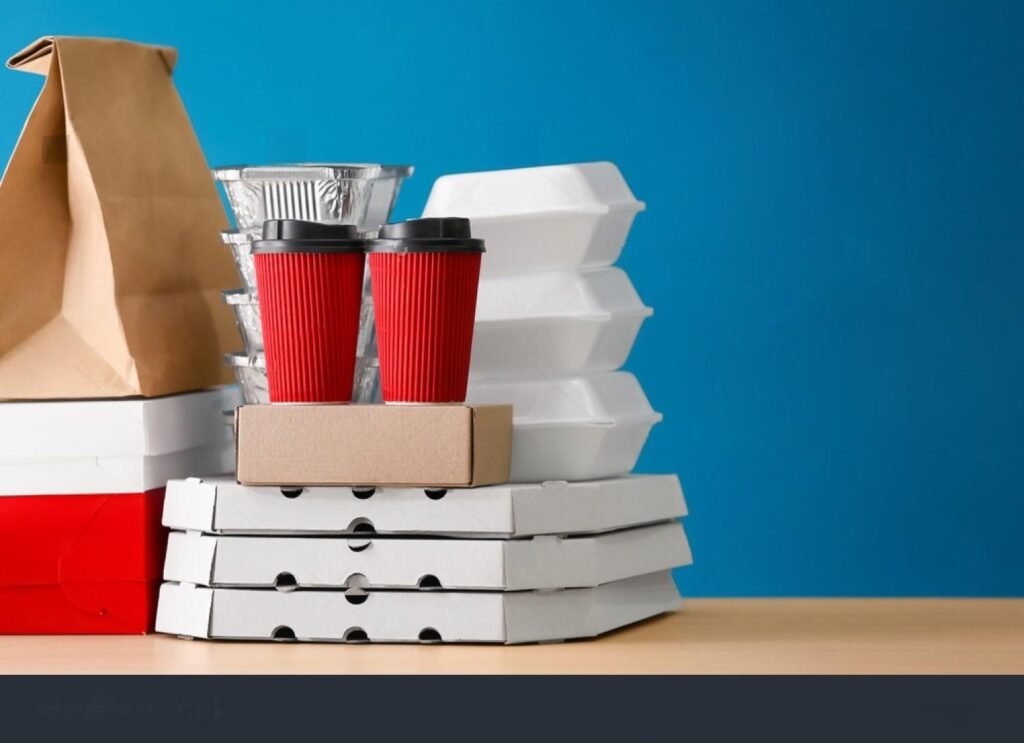
Takeaway and delivery packaging in 2026 is no longer just “a container.” It’s a performance system that must keep food delicious for longer routes, prevent leaks in rider bags, show tamper evidence, meet tightening regulations, and still look on-brand. This guide breaks down the best takeaway packaging solutions for 2026—by food type, material, and real-world delivery needs—so restaurants, cafés, and food brands can reduce complaints, cut waste, and improve repeat orders.
What’s changing in takeaway packaging in 2026
Three forces are shaping the best packaging choices this year:
Regulations are tightening
Many regions are increasing restrictions on certain single-use materials and raising expectations for chemical safety and labeling. Restaurants are also seeing more pressure to prove claims like “compostable” or “recyclable” with real standards and disposal instructions.
Delivery standards are getting higher
Customers expect hot food to arrive hot, crispy food to stay crisp, and cold drinks to arrive without leaks. Delivery times are also less predictable, meaning packaging must perform under longer holding times and more vibration.
Sustainability is becoming operational
“Eco-friendly” is no longer just marketing. The best solutions reduce total waste through right-sizing, standardization, better stacking, fewer remakes, and fewer leak-related refunds.
What “best” takeaway packaging really means
In 2026, the best takeaway packaging is the one that balances:
- Food safety and food-contact compliance
- Temperature performance and texture protection
- Leak resistance and rider-bag vibration stability
- Stackability and space efficiency
- Speed of packing during peak hours
- Sustainability aligned with local disposal systems
- Total cost including remakes, refunds, and customer churn
Best takeaway packaging materials for 2026
Below are the most reliable material families used for modern takeaway packaging—plus when they perform best.
PP containers
PP remains a top performer for hot meals because it handles heat well and can be engineered for strong lids.
Best for:
- Hot bowls, rice, noodles, pasta
- Sauce-heavy meals with correct lid geometry
- Microwave reheating use cases
Key 2026 direction:
- More brands are adopting recycled-content PP where regulations and supply allow, while keeping performance stable.
PET and rPET containers
PET is still the leader for clear, cold presentation.
Best for:
- Salads, desserts, fruit, cold deli items
- Clear cold drink cups
Key 2026 direction:
- Increased demand for rPET to reduce virgin plastic use, while maintaining clarity and premium display.
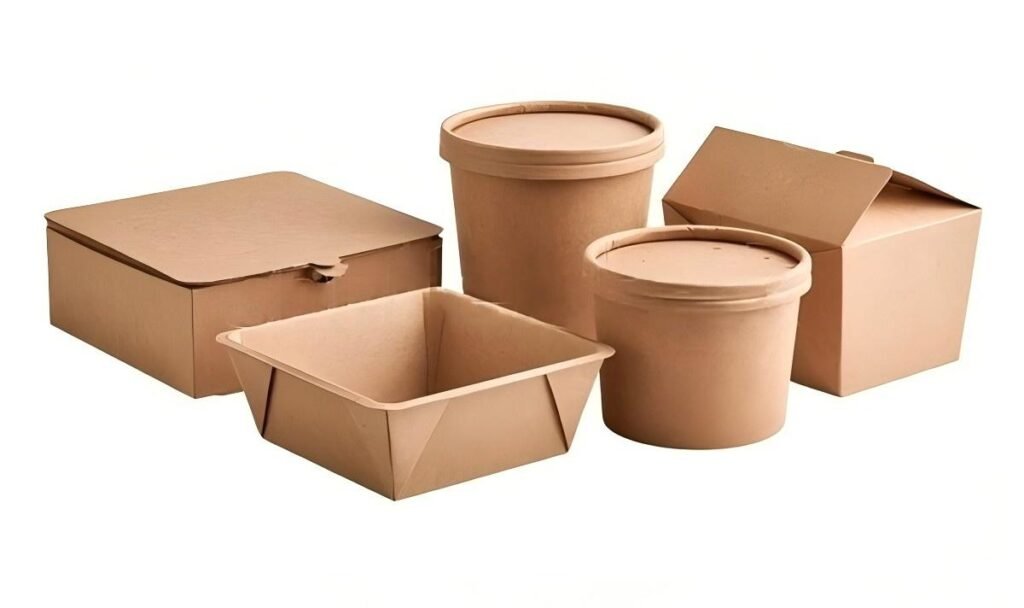
Paperboard takeaway boxes
Paperboard is strong for branding and customer perception, especially when designed without heavy lamination.
Best for:
- Sandwiches, bakery, dry snacks
- Secondary cartons and sleeves
- Light grease foods when barrier-coated correctly
Key 2026 direction:
- More “recycle-friendly” barrier solutions and simplified structures to keep paper recycling viable where possible.
Molded fiber and bagasse
Bagasse and molded fiber have become mainstream for clamshells and trays, especially for dine-in-to-go brands and fast casual.
Best for:
- Fried foods, rice plates, mixed entrees
- Side dishes and compartment trays
Key 2026 direction:
- Better lid fit, stronger hinge designs, and improved grease performance—while restaurants increasingly verify real composting access before using compostable claims.
Aluminum containers
Aluminum is excellent for heat resistance and premium catering.
Best for:
- Oven-reheat meals, baked pasta, catering trays
- High-grease foods and saucy dishes with proper lids
Key 2026 direction:
- More catering and meal-prep brands use aluminum for “premium + recyclable” positioning, while optimizing lid systems for leak control.
Glass jars and bottles
Glass is a premium choice for retail-style sauces, drinks, and dessert jars.
Best for:
- Chili oil, pasta sauce, dressing, pickles
- Premium bottled beverages and desserts
Key 2026 direction:
- Restaurants use glass mainly for take-home retail or high-margin items where reuse/refill programs are possible, and shipping protection is well designed.
Certified compostable options
Certified compostables can work, but only when there is real compost collection and clear customer instructions.
Best for:
- Food-contaminated items that are hard to recycle
- Venues with on-site compost bins or municipal compost pickup
Key 2026 direction:
- Less “biodegradable” language and more emphasis on certified compostable + clear disposal guidance.
Best takeaway packaging solutions by menu category
The most profitable approach is choosing packaging by food behavior, not by “one container for everything.”
Hot bowls and mixed meals
What matters:
- Heat resistance, stackability, lid lock strength, steam management
Best solutions:
- PP bowls with engineered lids
- Molded fiber compartment trays for dine-in-to-go feel
- Paperboard bowls with correct barrier and lids for shorter routes
Pro tip:
- If you want food to stay hot without getting soggy, use a lid design that manages steam (micro-vents or elevated lid geometry) rather than sealing everything airtight.
Soups, broths, and liquid-heavy items
What matters:
- Leak-proof performance under tipping + vibration
- Lid retention under temperature expansion
- Secondary containment for high-risk routes
Best solutions:
- PP soup containers with tight-fit lids
- High-quality paper soup cups with verified barrier + reliable lids for limited duration
- Sealed inner bags or secondary containment for “zero-leak” operations
Operational rule:
- If you have even a small leak rate, you’ll pay for it in refunds and negative reviews. Invest in lid quality and testing, not just cheaper containers.
Fried foods and crispy items
What matters:
- Venting to reduce condensation
- Grease resistance
- Structure that won’t collapse from moisture
Best solutions:
- Bagasse clamshells designed for venting
- Vented paperboard boxes for fries, wings, fried snacks
- Kraft-style paper bags with inner liners only where necessary
Avoid:
- Fully airtight containers for fries or fried chicken. They often arrive soft, which customers interpret as “old food.”
Salads and cold foods
What matters:
- Clarity, condensation handling, rigid shape retention
- Strong lid fit for rider-bag movement
Best solutions:
- PET/rPET clear salad bowls
- Separate sauce cups to prevent sogginess
- Inserts or compartment designs for toppings
Pro tip:
- Separate wet components (dressings, sauces) is one of the easiest ways to improve review scores for salads.
Desserts and bakery
What matters:
- Presentation, anti-crush protection, grease resistance for pastries
- Tamper evidence for premium desserts
Best solutions:
- Clear PET dessert cups for layered desserts
- Paperboard bakery boxes with strong corners
- Dessert jars in glass for premium “take-home retail”
Beverages and drinks
What matters:
- Lid performance, spill resistance, temperature handling
- Straw slot design that doesn’t leak
- Cup strength under squeezing in carrier bags
Best solutions:
- PET cups + premium lids for cold drinks
- Paper cups with compliant linings for hot drinks
- Bottles for “grab-and-go” retail drinks and delivery bundles
Operational rule:
- Most drink failures are lid failures. Treat lids as a critical component, not an accessory.
2026 “best practice” features restaurants should prioritize
These features show up repeatedly in the best-performing takeaway packaging systems.
Tamper-evident sealing
Customers increasingly expect visible security—especially for delivery app orders.
High-ROI options:
- Tamper-evident stickers for lids and bag seals
- Heat seals for trays where appropriate
- Shrink bands for bottled sauces and drinks
- Sealed delivery bags with “opened” evidence
Goal:
- Make tampering obvious, without making opening frustrating.
Better stacking and nesting
Packaging that stacks well reduces:
- Bag crush incidents
- Spills from uneven loads
- Storage space in back-of-house
Look for:
- Flat lid tops that don’t slide
- Stable bases that align in stacks
- Consistent footprint sizes across your container range
Right-sizing and standardization
The fastest cost and waste reduction in 2026 is still:
- Fewer container SKUs
- Better fit to menu portions
- Less “oversized container = looks like more food” thinking
Right-sizing improves:
- Food temperature control
- Delivery stability
- Packaging spend and storage
Sauce management systems
Many “bad delivery experiences” are actually sauce problems.
Best solutions:
- Separate sauce cups with secure lids
- Flexible packaging sachets for high-volume sauces
- Bottles or jars for retail take-home sauces
For restaurants scaling branded sauces, this is where strong packaging strategy creates new revenue streams.
Sustainability: what actually works for takeaway in 2026
Sustainability wins in takeaway are usually operational wins first.
Reduce food waste and remakes
The most sustainable order is the one that arrives correctly the first time. Leak prevention and texture protection reduce waste more than switching a material and increasing failures.
Choose materials that match local disposal
- If paper recycling is strong, keep paper packaging “paper-simple” and avoid heavy lamination
- If composting exists, certified compostables can be effective for food-contaminated items
- If recycling access is limited, prioritize reduction and reuse programs in-store
Avoid confusing claims
If you use compostables:
- Use certified materials
- Communicate disposal clearly
If you use recyclable packaging: - Keep structures simple so they are actually accepted
A takeaway packaging checklist for restaurant owners
Use this checklist to select packaging you can trust in daily service.
Food and performance fit
- Works for hot, cold, oily, or acidic foods as intended
- Maintains texture for the full delivery time
- Lids do not pop under heat expansion
- Passes real leak tests (shake + tip + ride simulation)
Delivery reliability
- Stacks well in rider bags
- Doesn’t collapse from moisture or grease
- Doesn’t crack in cold or deform in heat
- Minimizes movement with stable footprints
Operations and speed
- Easy to pack quickly during peak hours
- Easy to store and organize back-of-house
- Minimal SKU count without sacrificing performance
- Clear training steps for staff consistency
Branding and customer experience
- Looks clean and intentional
- Supports tamper-evident expectations
- Doesn’t create “overpackaging” backlash
- Optional: QR code for menu, reorder, or disposal guidance
Common mistakes in takeaway packaging
- Choosing containers by appearance only, not by food temperature and grease level
- Underestimating lids and seals, then paying in refunds
- Using compostable packaging without compost access, causing customer confusion
- Using one container for everything and creating texture failures
- Oversizing containers, increasing heat loss and movement
- Ignoring vibration and only testing “on the counter”
FAQ
What is the best takeaway packaging material in 2026
There is no single best material. PP is excellent for hot meals, PET/rPET for cold clarity, molded fiber/bagasse for many entrees, and paperboard for dry foods and branding. The best choice depends on your menu, delivery time, and local disposal systems.
Is compostable takeaway packaging always better
Not always. Compostable packaging works best where compost collection exists and customers can dispose of it correctly. In many areas, recyclable or reduced packaging delivers more reliable real-world impact.
How do I reduce leaks in delivery
Start with lid quality, correct container-lid matching, and real leak testing. For high-risk liquids, use secondary containment and avoid oversized bags that allow tipping.
How can restaurants make takeaway packaging feel premium
Use clean presentation, consistent container families, strong stacking stability, tamper-evident seals, and right-sizing. Premium is often more about execution than expensive materials.
Takeaway packaging supply options from Supply-Packagings
Supply-Packagings provides supply packagings for everything, including solutions that support takeaway and food businesses—such as Bottle Packaging, Jar Packaging, Pump & Dispenser, Flexible Packaging, and Paper Boxes (useful for sauces, beverages, retail take-home products, branded boxes, and delivery-ready packaging systems). If you share your menu type, hot/cold requirements, delivery time range, and brand style, we can recommend a packaging set that performs in transit, supports your sustainability goals, and scales with your operation.