
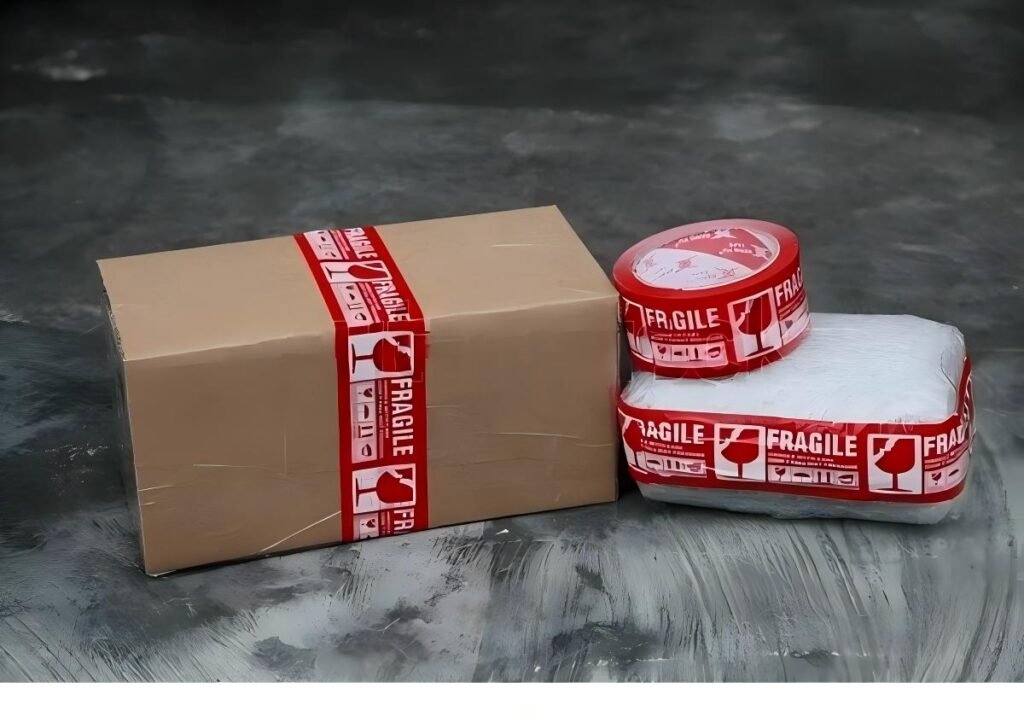
Fragile items break for predictable reasons: impact drops, vibration over long distances, compression in stacked loads, and moisture or temperature swings that weaken materials. The best protective packaging prevents damage by doing three things consistently—immobilizing the product, absorbing shock, and protecting against compression—while still being cost-effective and scalable for e-commerce and wholesale. This guide covers the most reliable protective packaging options for fragile products such as glass bottle packaging, jar packaging, pump & dispenser items, cosmetic packaging, pharmaceutical containers, supplement packaging, daily chemical packaging, and more.
What causes fragile-item damage during shipping
Before choosing materials, align your packaging with the actual risks in transit:
- Drops and impacts during handling, conveyor transfers, and last-mile delivery
- Vibration that loosens caps, scuffs labels, and cracks glass over time
- Compression from stacking in trailers, warehouses, and delivery hubs
- Puncture and abrasion from sharp edges, corners, or neighboring parcels
- Moisture and humidity that weakens corrugated boxes and paper cushioning
- Temperature changes that affect adhesives, seals, and some plastics
A protective packaging system should be designed around the worst realistic scenario, not the best-case.
The core principles of protective packaging
Immobilize the item
Movement inside the box is the fastest path to breakage. Good packaging keeps the product from shifting in any direction.
Cushion the impact
Cushioning absorbs energy so the item experiences less peak force during drops.
Block and brace against compression
Even if drops are controlled, crushed corners and top-load pressure can ruin cosmetics cartons, crack jars, and deform closures.
Right-size everything
Oversized boxes increase movement and require more void fill. Undersized boxes crush retail cartons and transfer impact directly.
Best protective packaging materials and systems for fragile items
Below are the most dependable protective packaging options used across e-commerce and retail logistics, with practical pros and best-use cases.
Molded pulp inserts and molded fiber trays
Molded pulp is one of the best all-around solutions for fragile items, especially glass.
Best for
- Glass bottle packaging and jar packaging
- Cosmetic sets with multiple components
- Pharmaceutical containers shipped in secondary cartons
- Premium unboxing where sustainability matters
Why it works
- Excellent shock absorption and vibration control
- Immobilizes the product with a custom cavity
- Often recyclable and fiber-based, reducing plastic foam use
Key design tips
- Ensure tight fit at the shoulder and base for bottles
- Add rib structures to improve compression strength
- Test for humidity exposure if shipping in wet climates
Corrugated inserts, dividers, and partitions
Corrugated protection is flexible, cost-effective, and strong—especially for multi-item shipments.
Best for
- Multi-bottle orders: supplements, daily chemicals, beverages
- Multi-jar kits and bundled cosmetic packaging
- B2B cartons and case packs
Why it works
- Dividers prevent “glass-on-glass” contact
- Corrugated pads add top-load strength
- Easy to scale and customize without heavy tooling
Key design tips
- Use dividers plus top and bottom pads for glass
- Add edge/corner reinforcement for long-distance shipping
- Match flute type and board grade to weight and stacking requirements
Paper cushioning systems
Paper cushioning can be highly effective when engineered correctly.
Best for
- Fragile items already in strong retail cartons
- Ceramic and gift items with moderate fragility
- Brands aiming to reduce plastic usage
Why it works
- Provides shock absorption and void filling
- Recyclable in many markets when clean
- Can be automated with paper-cushion machines for high volume
Key design tips
- Use enough thickness to prevent bottom-out during drops
- Combine with blocking and bracing so products don’t migrate
- Avoid relying on paper alone for heavy glass without immobilization
Foam cushioning and foam end caps
Foam remains one of the highest-performance cushioning choices, especially for high-risk or high-value items.
Best for
- Electronics, instruments, and very fragile components
- Heavy glass items with high drop risk
- Industrial shipments requiring consistent performance
Why it works
- Excellent energy absorption and repeatability
- Can be designed as end caps to suspend products in the box
- Strong protection against both drops and vibration
Key design tips
- Use foam strategically (end caps, corner blocks) to reduce material use
- Verify that foam type matches the product weight and drop height
- Consider recyclability and local disposal realities when making sustainability claims
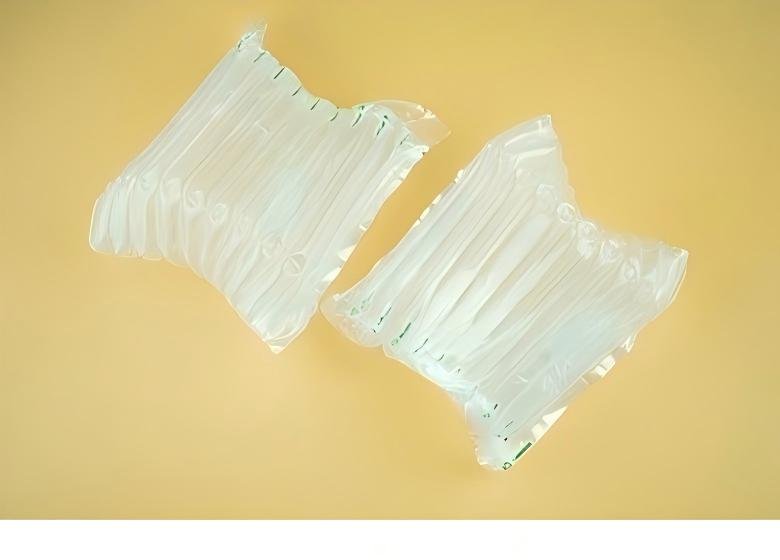
Air pillows and inflatable cushions
Inflatables are lightweight and efficient for certain fragile shipments, but they are not universal.
Best for
- Moderate fragility items with low puncture risk
- Products in rigid cartons needing void fill
- E-commerce shipments where weight reduction matters
Why it works
- Low shipping weight and good cushioning in many scenarios
- Fast packing process at scale
Watch-outs
- Puncture risk reduces protection instantly
- Not ideal for sharp-edged products
- Can allow movement if not combined with blocking and bracing
Honeycomb paper and corrugated wraps
Honeycomb structures deliver excellent compression resistance and are useful for “wrap + box” methods.
Best for
- Glass bottles and jars when using wrap protection
- Premium cosmetic packaging where surface scuffing must be minimized
- Items with sensitive corners and edges
Why it works
- Strong crush resistance and good impact distribution
- Paper-based alternative to plastic bubble wrap in some systems
Key design tips
- Use consistent wrap thickness and secure the wrap to prevent loosening
- Pair with a right-sized box so the wrap stays under light compression
Suspension and float packaging
Suspension packaging uses a film or frame to “suspend” the product away from the box walls.
Best for
- Very fragile, irregular shapes
- Premium electronics or delicate components
- Items needing strong protection with minimal internal movement
Watch-outs
- Not always ideal for heavy products
- Material mix may complicate recycling
- Requires careful sizing and testing
Corner protectors and edge guards
Damage often starts at corners. Corner systems can dramatically reduce crush-related failures.
Best for
- Premium paper boxes and gift sets
- Glass items shipped in larger outer cartons
- Bulk shipments and pallets
Why it works
- Improves compression performance
- Protects retail corners from scuffing and denting
- Reduces cosmetic “arrived damaged” complaints
Best protective packaging by product type
Matching protection to product format is the fastest way to reduce breakage and returns.
Glass bottles
Top recommendations
- Molded pulp inserts or corrugated bottle cells
- Top and bottom pads to prevent vertical shock transfer
- Neck and shoulder stabilization for tall bottles
Extra considerations
- If using pump & dispenser bottles, protect the actuator and prevent side loads that can crack the pump collar
- Use tamper-evident features that won’t tear during vibration
Glass jars
Top recommendations
- Molded pulp trays with rim protection
- Corrugated partitions that prevent jar-to-jar contact
- Wrap systems like honeycomb paper for surface protection
Extra considerations
- Jar rims are high-risk impact points—avoid free movement
- Caps can loosen under vibration; verify torque and liner choice
Pump and dispenser products
Top recommendations
- Inner bracing that prevents lateral pressure on pump heads
- Custom cavities or corrugated collars to immobilize the neck area
- Secondary containment for liquid products if leakage risk exists
Extra considerations
- Mixed components can be sensitive to impact; test for actuator popping or misalignment
- Consider shipping pumps separately for bulk B2B where feasible
Cosmetics and skincare sets
Top recommendations
- Molded fiber trays for premium presentation and immobilization
- Paper cushioning combined with partitions
- Corner protection to prevent “crushed box” complaints
Extra considerations
- Surface scuffing matters: include abrasion control (wraps, sleeves, or tissue)
- Avoid oversized boxes that require excessive void fill and look wasteful to customers
Pharmaceutical containers
Top recommendations
- Corrugated partitions for multi-pack stability
- Right-sized cartons with compression strength for distribution
- Clear separation between components to prevent label abrasion
Extra considerations
- Compliance and integrity come first: tamper evidence, stability, and traceability
- Avoid protective materials that shed dust or fibers into sensitive environments if that’s a concern for your operation
Supplement bottles and jars
Top recommendations
- Dividers for multi-bottle orders
- Pads and braces to reduce vibration loosening caps
- Right-sized boxes to minimize movement
Extra considerations
- Heavier supplement packs increase compression risk; match corrugated strength to total weight
- Control abrasion to keep labels clean and readable
Daily chemical packaging
Top recommendations
- Strong immobilization plus leak containment strategy
- Corrugated inserts that prevent tipping and cap impact
- For high-risk liquids, consider absorbent pads or sealed inner bags
Extra considerations
- Leaks turn recyclable paper packaging into waste; prioritize seal integrity and secondary containment
- Vibration can cause micro-leaks over time—test beyond simple drop scenarios
How to choose the right protective packaging system
Use this decision checklist:
Step 1: Define the shipping channel
- Small parcel e-commerce has higher drop frequency
- LTL and pallet shipping has more compression and stacking risk
- International shipments add time, vibration, and climate exposure
Step 2: Identify failure modes
Look at your returns and damage photos:
- Broken glass at base or shoulder
- Crushed corners
- Scuffed labels
- Leaking closures
- Pump heads broken or misaligned
Then choose protection that targets those exact failures.
Step 3: Right-size the outer box
The best insert can’t save a box with too much empty space. A right-sized shipper reduces:
- movement
- void fill needs
- dimensional weight costs
- damage rates
Step 4: Select materials that fit your sustainability goals
If your goal is lower waste and better recyclability:
- Favor molded fiber, corrugated, and paper cushioning
If your goal is maximum protection at any cost: - Foam end caps and engineered cushioning may be appropriate
The best option is often a hybrid: fiber-based immobilization + minimal high-performance cushioning where needed.
Testing standards and validation
Protective packaging should be validated with real tests, not assumptions.
Common tests include:
- Drop testing for realistic heights and orientations
- Vibration testing to simulate long-distance transit
- Compression testing for stacking and top-load
- Temperature and humidity conditioning for seasonal and regional exposure
If you have high-value fragile items, consider ISTA-style test protocols aligned with your shipping method. Small design tweaks can dramatically improve pass rates.
Common mistakes that increase breakage
- Using oversized boxes and “hoping void fill is enough”
- Allowing glass-to-glass contact in multi-pack shipments
- Relying on air pillows for sharp-edged or heavy products
- Ignoring vibration, which loosens caps and causes slow leaks
- Under-specifying corrugated strength for heavy shipments
- Protecting the product but not the retail carton, causing “arrived damaged” claims
FAQ
What is the best protective packaging for glass bottles
Molded pulp inserts or corrugated bottle cells combined with a right-sized corrugated shipper are among the most reliable solutions. They immobilize the bottle and absorb shock better than loose void fill alone.
Is paper cushioning enough for fragile items
Paper cushioning can work for moderately fragile items or products already in strong cartons, but heavy glass typically needs immobilization like molded fiber or partitions to prevent movement and concentrated impacts.
How do I reduce damage without increasing packaging waste
Start with right-sizing, immobilization, and targeted reinforcement. Often you can reduce total material by switching from “lots of random void fill” to a well-fitted insert that prevents movement.
How do I protect pump bottles in transit
Stabilize the pump neck and actuator, prevent lateral pressure, and reduce movement inside the box. Refill strategies can also reduce shipping risk by reusing pump heads and shipping simpler bottles.
Protective packaging solutions from Supply-Packagings
Supply-Packagings provides supply packagings for everything, including Bottle Packaging, Jar Packaging, Pump & Dispenser, Flexible Packaging, Paper Boxes, Cosmetic Packaging, Pharmaceutical Containers, Supplement Packaging, and Daily Chemical Packaging. If you ship fragile items and want fewer breakages, fewer returns, and a better unboxing experience, we can help you design a complete protective system—outer box, inserts, dividers, cushioning, and packaging components—optimized for your product, shipping lanes, and sustainability goals.
Share your product type, dimensions, weight, shipping method, and current damage rate, and we can recommend a practical protective packaging structure for your next production run.