

Kraft paper bags are often seen as the “green” alternative to plastic—but the real environmental answer is more nuanced. Whether a kraft paper bag is truly better depends on what it’s made from (virgin or recycled fiber), how it’s produced (energy and water intensity), how many times it’s reused, and how it’s disposed of (recycled, composted, or landfilled). In this article, we’ll break down the full lifecycle impact of kraft paper bags and share practical guidance for brands using paper bags as part of retail packaging, e-commerce packaging, paper boxes, and secondary packaging for products like cosmetics, supplements, pharmaceuticals, and daily chemical packaging.
What is a kraft paper bag
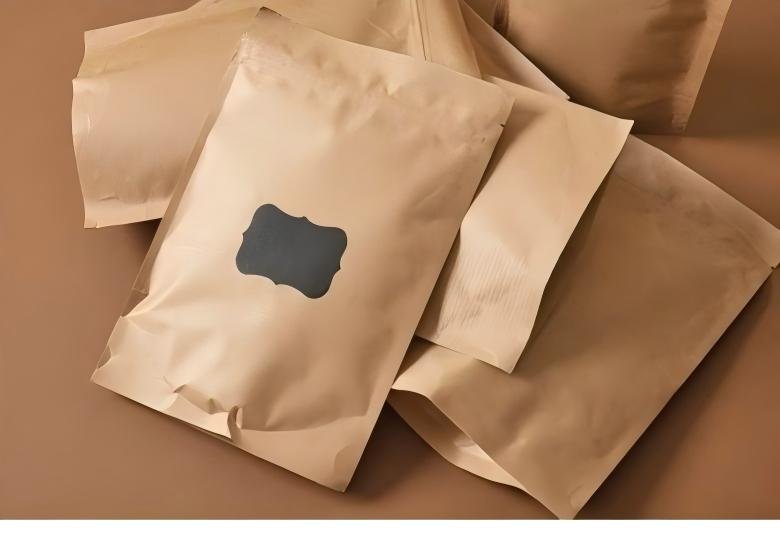
“Kraft” refers to a paper-making process that typically creates stronger paper than many standard paper grades. Kraft paper bags are usually:
- Brown, unbleached paper bags
- Often made from a mix of virgin pulp and recycled fiber
- Designed for carrying retail goods, gift items, and secondary packaging
Kraft bags can be a great choice—but not automatically the best.
Why kraft paper bags became the default “eco” option
Kraft paper bags gained popularity because they align with visible sustainability cues:
- Made from a renewable resource when sourced responsibly
- Easier to recycle in many regions than flexible plastic film
- Less persistent litter risk than conventional plastics
- Strong “natural” branding, especially for cosmetic packaging and premium retail
However, “renewable” does not mean “low impact,” and paper production can be resource-intensive.
The environmental impact of kraft paper bags
To judge whether kraft paper bags are better, you need to look at the full lifecycle.
Raw materials: forests, fiber sourcing, and land use
A kraft paper bag made from virgin pulp requires trees. That can be responsible or harmful depending on sourcing.
What’s better:
- FSC-certified or equivalent responsibly managed forestry
- Higher post-consumer recycled content
- Transparent supplier traceability
What’s worse:
- Unverified virgin fiber supply chains
- Unsustainable forestry practices that reduce biodiversity or increase land-use emissions
Manufacturing: energy, water, and chemicals
Paper manufacturing generally requires:
- Significant water use
- Significant energy for pulping and drying
- Chemicals (though kraft processes can be managed responsibly)
This is one reason paper isn’t automatically lower-carbon than plastic on a per-item basis—especially when the paper bag is heavy or overbuilt.
Transportation: weight matters more than most brands expect
Kraft bags are usually heavier and bulkier than thin plastic bags. That can increase:
- Shipping emissions for inbound packaging supply
- Distribution emissions when transporting finished goods
If you ship at scale, even small weight differences can meaningfully affect carbon footprint.
End-of-life: recycling and composting outcomes
Kraft paper bags can be:
- Recycled (best case)
- Composted (often possible if uncoated and ink choices are appropriate)
- Landfilled (common if contaminated with food/oils or if local systems are limited)
Real-world outcomes depend on:
- Local collection infrastructure
- Contamination (food, grease, wet conditions)
- Add-ons like lamination, heavy coatings, foil stamping, or plastic windows
Kraft paper bags vs plastic bags: which is greener
There is no universal winner. The trade-off usually looks like this:
When kraft paper bags can be better
- When bags are reused multiple times
- When bags contain recycled fiber
- When local recycling rates for paper are high
- When brand design avoids non-recyclable coatings and decorations
- When your brand wants to reduce plastic litter risk
When plastic can have a lower carbon footprint
Thin plastic bags can sometimes have a lower manufacturing carbon footprint per bag because they use less material and require less energy to produce and transport. But they can perform worse on:
- Litter persistence
- Consumer perception and regulatory restrictions
- Recycling access for flexible films in many regions
A practical conclusion for many brands: paper bags are often a strong choice for retail and secondary packaging, but you should optimize them to ensure the environmental advantage is real.
The biggest factors that decide whether a kraft bag is sustainable
Recycled content percentage
One of the strongest improvements you can make is increasing post-consumer recycled fiber content while maintaining strength.
Why it matters:
- Reduces demand for virgin pulp
- Supports recycling markets
- Typically lowers environmental burden compared to 100% virgin fiber
Certifications and responsible sourcing
Look for:
- FSC certification for virgin fiber
- Supplier documentation for chain-of-custody
- Clear statements of recycled content claims
Bag design: coatings, inks, handles, and glue
A kraft bag can become hard to recycle if it includes:
- Plastic lamination
- Heavy UV coatings
- Foil stamping
- Large plastic windows
- Mixed-material handles that are hard to separate
Better options:
- Water-based inks
- Minimal coatings
- Paper handles or easily removable handles
- Right-sized designs that avoid excess paper weight
Reuse rate: the “number of uses” is a deal-breaker
A durable kraft bag reused many times can outperform a single-use alternative.
Brand tactics to increase reuse:
- Design for strength, not just appearance
- Make the bag attractive enough that customers keep it
- Add messaging like “Reuse me” and care instructions
What the bag carries: contamination risk
If your kraft bag is used for:
- Oily food, wet items, or chemicals that leak
It may become non-recyclable due to contamination.
For product categories like daily chemical packaging or cosmetics, preventing leaks matters. Sometimes the better move is improving primary packaging (bottle packaging, jar packaging, pump & dispenser quality) so secondary packaging stays clean and recyclable.
Are kraft paper bags compostable
Many kraft paper bags can be compostable, but compostability depends on what’s added:
More likely compostable:
- Plain kraft paper
- Minimal water-based inks
- No plastic lamination
Less likely compostable:
- Plastic-coated paper
- Metallized decorations
- Certain adhesives or heavy coatings
If you plan to claim compostability, validate materials and local composting acceptance. For many brands, focusing on recyclability is more reliable than assuming composting access.

Best practices for brands switching to kraft paper bags
Choose the right kraft grade for your use
- Retail luxury: medium-weight kraft with strong construction
- E-commerce secondary packaging: avoid overbuilding; combine with right-sized paper boxes
- Gift packaging: prioritize reuse and avoid complex finishes that reduce recyclability
Reduce material without reducing performance
Overly thick bags can increase footprint fast. Optimize:
- GSM weight
- Bag dimensions
- Handle reinforcement
- Bottom construction
Right-sizing is one of the fastest ways to cut emissions.
Avoid “green” designs that break recyclability
Common mistakes:
- Laminated “waterproof” finishes that turn paper into mixed material waste
- Foil stamping across large areas
- Plastic rope handles permanently glued on
If you need water resistance, consider targeted design changes (inner protection, better sealing, improved primary packaging) rather than full lamination.
Match bag choice to your full packaging system
Kraft bags are usually secondary packaging. Your biggest footprint reductions may come from improving:
- Bottle packaging weight and PCR content
- Jar packaging lightweighting and recycled content
- Pump & dispenser recyclability and reuse/refill design
- Flexible packaging recyclability where collection exists
- Paper boxes removing lamination and maximizing recycled content
A bag can be sustainable, but the full packaging system is what customers and regulators evaluate.
Practical recommendations by industry
Cosmetic packaging
- Kraft bags work well for retail and gifting
- Pair with recyclable paper boxes and molded fiber inserts
- Avoid heavy decorative finishes that block recycling
Pharmaceutical containers
- Kraft bags are usually secondary and may be restricted by chain-of-custody needs
- Focus on compliant primary packs first, then simplify secondary materials
Supplement packaging
- Kraft bags can support a natural brand identity
- Ensure labels, inserts, and cartons are recyclable and right-sized
Daily chemical packaging
- Leakage prevention is critical so paper packaging stays recyclable
- Consider refill systems to cut total packaging footprint
FAQ
Are kraft paper bags always better than plastic
No. Kraft paper bags can be better when they are responsibly sourced, contain recycled content, are reused, and are actually recycled. Thin plastic bags can sometimes have a lower manufacturing carbon footprint per use, but they often perform worse on litter persistence and are frequently restricted or hard to recycle.
Are kraft paper bags recyclable
Most kraft paper bags are recyclable if they are clean and not plastic-laminated. Oil, food residue, wet contamination, plastic coatings, and heavy decorative finishes can reduce recyclability.
Do kraft paper bags reduce carbon footprint
They can, but not automatically. Carbon footprint depends on fiber sourcing, manufacturing energy, bag weight, transport, reuse rate, and end-of-life recycling rates. Lightweighting and recycled fiber content are two of the most effective improvements.
What is the most sustainable paper bag option
Typically: a right-sized bag made with high recycled content and/or FSC-certified fiber, minimal coatings, water-based inks, recyclable handles, and designed to be reused.
Choose smarter paper packaging with Supply-Packagings
Supply-Packagings provides supply packagings for everything, including Paper Boxes, Flexible Packaging, Bottle Packaging, Jar Packaging, Pump & Dispenser, Cosmetic Packaging, Pharmaceutical Containers, Supplement Packaging, and Daily Chemical Packaging. If you’re considering kraft paper bags for your brand, we can help you select the right paper grade, optimize bag structure, reduce material use, and ensure the overall packaging system remains truly recyclable and practical in your target markets.
Share your product category, sales regions, bag size needs, and branding requirements, and we’ll recommend a sustainable packaging solution that balances performance, cost, and real environmental outcomes.