
Branded packaging doesn’t require luxury finishes or huge minimum orders. With the right strategy, small brands can create packaging that looks consistent, premium, and trustworthy—while staying within tight budgets. This guide shows how to design cost-effective branded packaging for real formats like bottle packaging, jar packaging, pump & dispenser, flexible packaging, paper boxes, cosmetic packaging, pharmaceutical containers, supplement packaging, and daily chemical packaging, using smart design choices that reduce print complexity and avoid expensive tooling.
Define what “branded” means for your customer
On a small budget, branding is not about adding more elements—it’s about making the right elements repeat consistently.
Focus on three things customers notice immediately:
- Consistency across every SKU and box
- Clarity of product name, benefits, and usage
- Quality cues like alignment, spacing, and readable typography
If your packaging is simple but consistent, it will look more premium than packaging with lots of graphics but weak structure.
Start with a minimal brand system
Before you design any label or box, define a small “brand kit” you can reuse everywhere:
- 1 primary color + 1 neutral + 1 accent color
- 1 headline font + 1 body font
- A simple logo lockup with clear spacing rules
- Two or three icon styles for features like recyclable, refill, vegan, etc.
- A consistent tone of voice for short lines: instructions, warnings, brand story
This is the foundation that keeps costs low because you can reuse layouts across products instead of redesigning each SKU from scratch.
Choose the cheapest packaging to customize first
If you’re budget-limited, customize the parts that deliver the most branding impact per dollar.
Best low-cost high-impact targets:
- Labels on stock bottles and jars
- Stickers used as seals on paper boxes
- One-color printed paper boxes for kits
- Branded insert cards for unboxing and instructions
- Tissue paper or a simple wrap to create a “gift-like” moment
Expensive targets to delay until you scale:
- Custom molds for bottles and jars
- Multi-step decoration like hot stamping, complex embossing, full coverage special coatings
- Too many box sizes and too many packaging SKUs
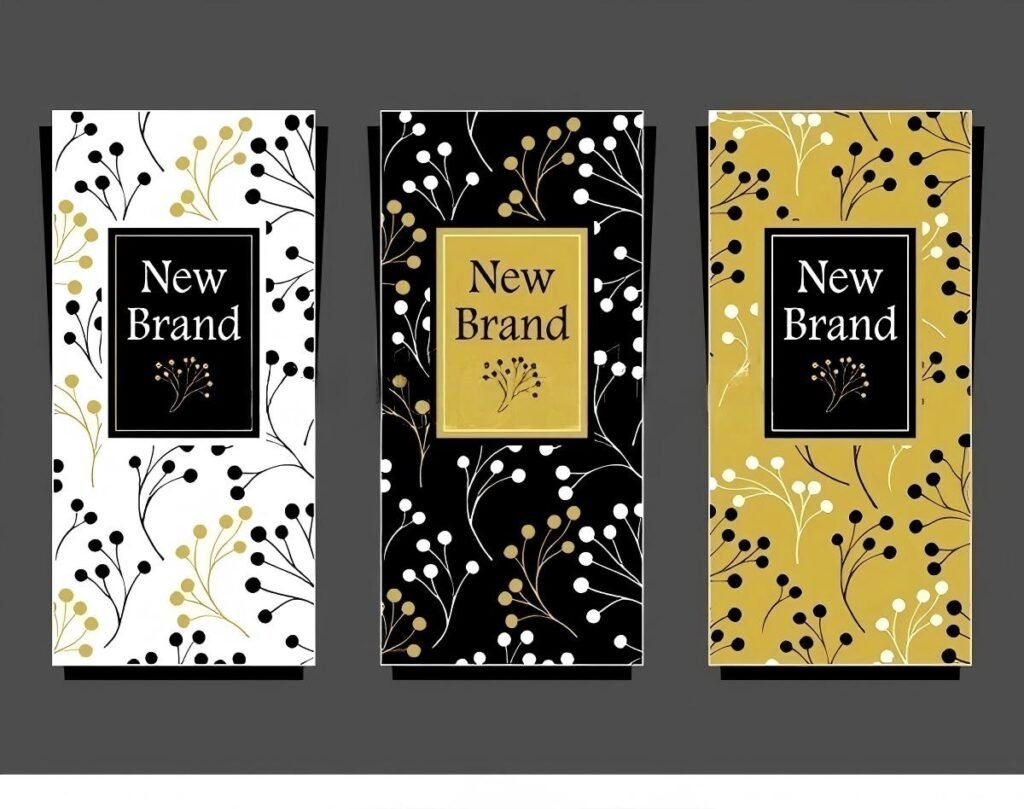
Use stock packaging and make it look custom
Many successful brands start with standard packaging shapes and win through design discipline.
Bottle packaging
Low-budget branded approach:
- Pick a common PET or HDPE bottle shape, or a standard glass bottle if premium is required
- Use a well-designed label with a consistent layout system
- Add a cap color that becomes part of your brand identity
Cost control tips:
- Avoid too many bottle sizes and neck finishes early
- Keep label shapes simple to reduce die costs
- Choose one or two cap colors rather than many colors across SKUs
Jar packaging
Low-budget branded approach:
- Use a standard jar silhouette
- Differentiate using label architecture, a consistent lid finish, and a clean secondary carton if needed
Cost control tips:
- Avoid heavy multi-layer labels unless necessary
- Choose a standard lid size to simplify purchasing and inventory
Pump and dispenser
Pumps can be expensive to customize, so focus on:
- Choosing a reliable stock pump that matches viscosity and dosage
- Using a consistent actuator color
- Adding an overcap only when needed for travel or shipping security
Cost control tips:
- Treat pump performance as part of brand quality; cheap pumps often increase returns and bad reviews
Design to reduce print cost without looking “cheap”
Printing cost usually increases with:
- More colors
- Higher ink coverage
- More finishing steps
- Tighter tolerances and special materials
Ways to keep the design premium while reducing cost:
- Use more white space and less full-coverage background color
- Print in one or two colors and rely on material texture for richness
- Use a single strong brand color as an accent rather than a full flood coat
- Standardize typography sizes and spacing to reduce redesign work
- Create one “master label layout” and swap only variable text
A clean, minimal design often reads as premium—especially in cosmetic packaging and supplement packaging.
Pick the right printing method for small runs
Your best printing method depends on volume and material.
Common choices:
- Digital printing for short runs, fast iteration, and multiple SKUs
- Offset printing for higher volumes and premium paper boxes
- Flexographic printing for larger volumes and simpler designs, especially corrugated and some flexible packaging
Small-budget rule:
- Start with digital or simple offset on standard materials, then upgrade once SKU volume is stable.
Make secondary packaging do the marketing
If your primary packaging must stay simple, your secondary packaging can carry the storytelling.
Low-cost upgrades that work:
- A recyclable paper box with one-color printing
- A branded sleeve instead of a fully printed carton
- A seal sticker that adds security and branding
- A small insert card with usage, FAQ, and QR code for reorders
This approach is especially effective for:
- Cosmetic packaging sets
- Supplements where trust and instructions matter
- Pharmaceutical containers that require clear labeling discipline
Use “budget luxury” finishing intelligently
Some finishes look expensive but can be controlled if used sparingly.
Examples:
- Soft-touch coating on a small area only
- Spot gloss on a logo rather than the full surface
- A single foil element instead of multiple foil areas
- A textured paper stock to create richness without extra print steps
If you’re on a strict budget, your highest ROI “finish” is often simply better layout and higher-quality typography.
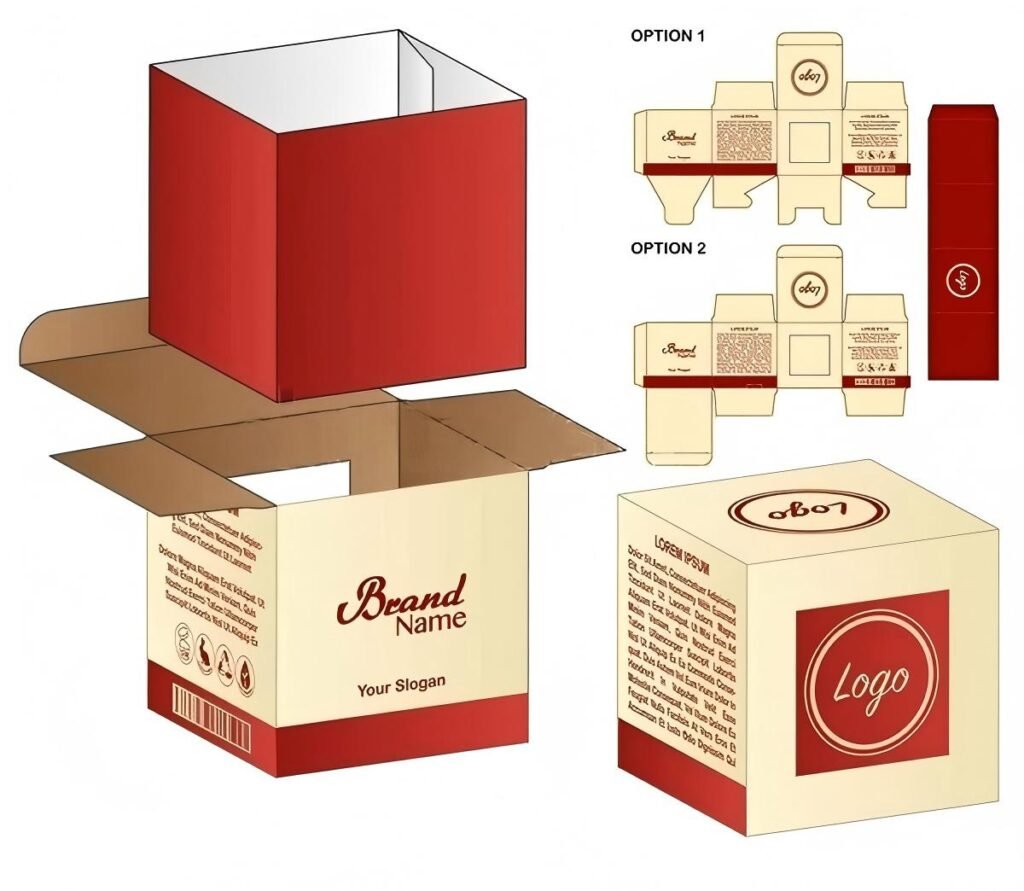
Build a consistent unboxing experience without expensive materials
Customers remember the sequence, not just the box.
A low-cost unboxing structure:
- Clean outer shipper
- Neat internal protection and no random void fill
- Product presented upright with a simple branded insert
- Clear next-step message: how to use, how to reorder, how to recycle
Cost control tips:
- Use right-sized shipping boxes to reduce void fill spend
- Avoid too many packing materials; keep it intentional
- Choose one style of insert and reuse across products
For fragile items like glass bottle packaging or jar packaging, don’t sacrifice protection for aesthetics. Damage destroys loyalty and increases cost.
Sustainability can be branding without raising cost too much
Eco-friendly cues can strengthen trust, but avoid expensive changes that don’t improve real outcomes.
Budget-friendly sustainability upgrades:
- Use recycled paper boxes where possible
- Use PCR plastics when allowed and available
- Remove unnecessary lamination on cartons
- Add simple recycling instructions on the label or insert
- Right-size shipping packaging to reduce material and shipping cost
A strong approach is: fewer materials, simpler structures, and clear disposal guidance.
Category-specific tips for small-budget branding
Cosmetic packaging
- Keep the front label minimal and premium
- Use consistent variant coding: one accent color per product line
- Consider a simple paper box for sets and glass items to improve perceived value
Supplement packaging
- Prioritize readability and trust cues
- Keep claim hierarchy clean: product name, key benefits, dosage
- Add tamper evidence if needed, and ensure it looks intentional, not improvised
Pharmaceutical containers
- Avoid decorative clutter
- Keep compliance text clear and consistent
- Focus on durability, scannability, and reliable labeling
Daily chemical packaging
- Branding should emphasize usability and refill options
- A consistent pump style and clear instructions reduce complaints
- If you offer refills, design the system so it looks cohesive, not mixed
Avoid the most common budget branding mistakes
- Designing every SKU as a one-off instead of using a template system
- Using too many colors and heavy ink coverage that increases print cost
- Choosing trendy finishes that quickly become obsolete inventory
- Buying too many custom box sizes and creating fulfillment complexity
- Ignoring performance: leaks, pump failures, scuffed labels, crushed cartons
- Making sustainability claims that are unclear or hard to follow
Small-budget branding succeeds when it is repeatable and operationally realistic.
A simple step-by-step plan you can follow
- Choose stock packaging for bottles and jars
- Build a master label layout and variant system
- Start with digital printed labels for flexibility
- Add one low-cost branded element: seal sticker or insert card
- Standardize shipping boxes and internal protection
- Upgrade to custom paper boxes for best-selling SKUs
- Only consider custom molds once volume and product-market fit are proven
This plan avoids big upfront investment while still creating a premium brand presence.
FAQ
What is the cheapest way to make packaging look branded
Custom labels on stock bottles or jars, plus one consistent brand color and typography system. Add a branded insert card for unboxing, and you can achieve a strong branded look without expensive boxes or molds.
Should I print custom shipping boxes or focus on product labels first
For most small brands, labels and product presentation deliver higher ROI first. Custom printed shipping boxes are worth it later when you have stable order volume and a consistent box size strategy.
How can I brand packaging without increasing minimum order quantities
Use digital printing for labels and short-run cartons, standardize sizes, and reuse the same design template across SKUs. This reduces SKU fragmentation and keeps reorders manageable.
How do I make budget packaging feel premium
Use clean layout, consistent spacing, limited colors, quality materials where customers touch the pack, and strong protection so products arrive perfect. Premium is mostly discipline, not decoration.
Branded packaging support from Supply-Packagings
Supply-Packagings provides supply packagings for everything—including Bottle Packaging, Jar Packaging, Pump & Dispenser, Flexible Packaging, Paper Boxes, Cosmetic Packaging, Pharmaceutical Containers, Supplement Packaging, and Daily Chemical Packaging. If you want branded packaging on a small budget, we can help you select cost-effective stock packaging, build a scalable label and box system, and plan upgrades that match your sales growth—without sacrificing performance or compliance.
Share your product category, target markets, container type, and expected order volume, and we can recommend a practical, budget-friendly branded packaging plan.