
Poly mailers are one of the most cost-effective, lightweight, and scalable shipping solutions for e-commerce. For online sellers, the right poly mailer can reduce dimensional weight charges, speed up fulfillment, protect products from moisture, and improve the unboxing experience—all while keeping packaging spend under control. This ultimate guide explains poly mailer types, materials, sizing, sealing, customization, sustainability, and best practices for shipping products across categories like cosmetic packaging, pharmaceutical containers, supplement packaging, daily chemical packaging, and more.
What is a poly mailer
A poly mailer is a flexible shipping bag typically made from polyethylene film. It replaces cartons for many non-fragile shipments and is especially popular for apparel, accessories, and boxed products.
Most poly mailers include:
- A durable plastic film body
- A peel-and-seal closure with pressure-sensitive adhesive
- Optional features like tear strips, dual-seal return strips, or tamper-evident design
Why online sellers love poly mailers
Poly mailers remain a go-to for e-commerce because they solve multiple operational problems at once.
Key benefits:
- Lower shipping cost due to low weight
- Reduced dimensional weight compared to boxes
- Fast packing and consistent pack-out
- Good water resistance for last-mile delivery
- Lower material usage than many rigid shipping options
Where they are not ideal:
- High-fragility products like glass bottle packaging and jar packaging unless those items are protected inside a rigid carton or insert system
- Very sharp-edged products that can puncture film
- Products requiring significant crush protection
Poly mailer types you should know
Standard poly mailers
The most common style for everyday shipping. Best for soft goods or products already in protective cartons.
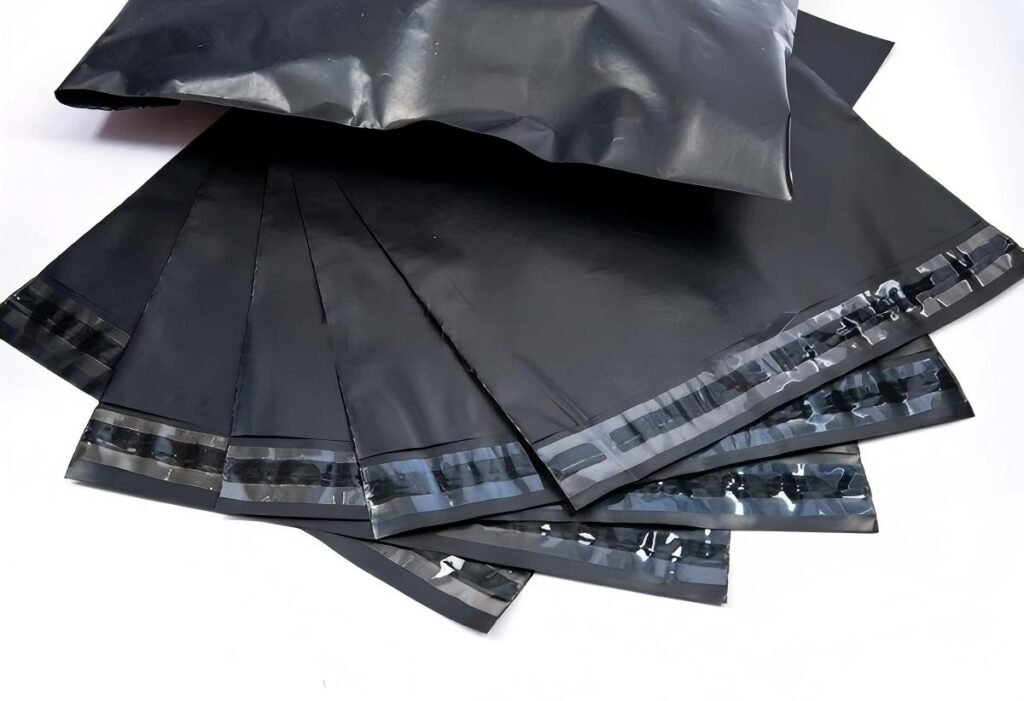
Opaque poly mailers
Popular for privacy and branding. Often used for apparel and general merchandise.
Clear poly mailers
Used when visibility matters for scanning, warehouse workflows, or compliance in some channels.
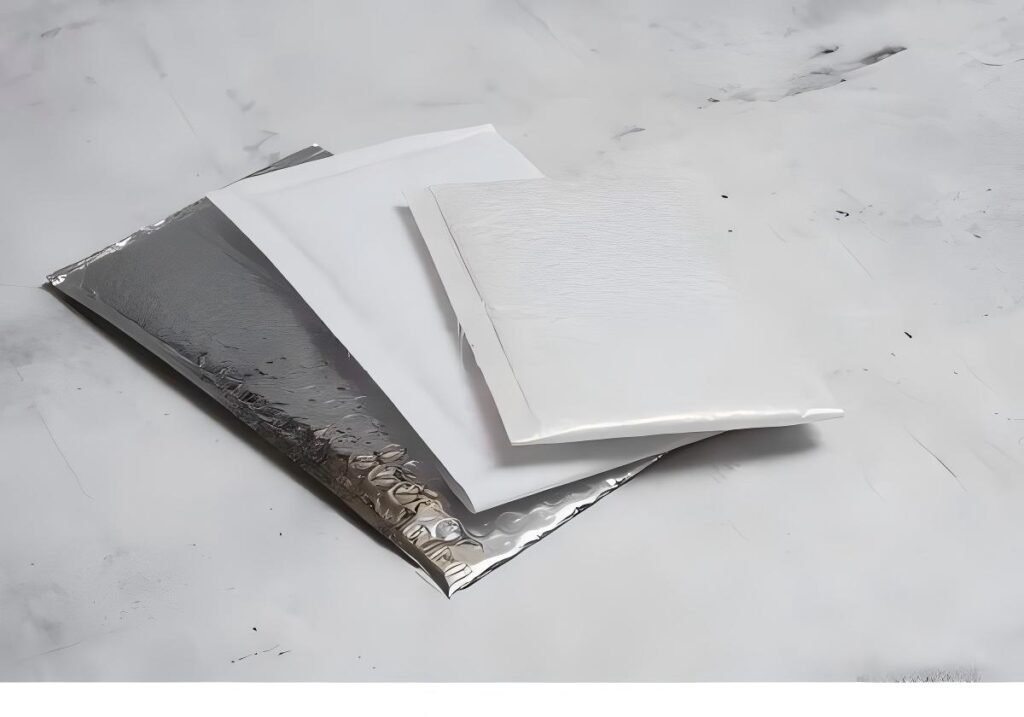
Bubble poly mailers
A mailer with built-in cushioning. Some versions are mixed-material and harder to recycle; recyclable options exist when designed as mono-material film systems.
Dual-seal return poly mailers
Designed for easier returns. Great for fashion, subscription models, and marketplaces with high return rates.
Tamper-evident poly mailers
Designed to show visible signs of opening. Useful for higher-value orders and some regulated shipping workflows.
Poly mailer materials and film structures
Most poly mailers are based on polyethylene, but performance depends on film design.
Common material options:
- LDPE or LLDPE for flexibility and toughness
- Co-extruded films for stronger puncture resistance
- Recycled-content film using post-consumer recycled material
- Specialty high-strength films that allow downgauging
What matters in real shipping:
- Puncture resistance for corners, caps, and accessory items
- Tear resistance during transit and handling
- Seal strength of the adhesive closure
- Consistent thickness and quality control to reduce failure rates
How to choose the right poly mailer size
Right-sizing is the fastest way to reduce cost and damage.
Step 1: Measure the packed product
Measure the final shippable unit, not the product alone:
- Product in its retail carton or inner bag
- Any inserts, leaflets, or protective wrap
- Bundles and multi-item orders
Step 2: Choose a snug fit with controlled slack
A good fit:
- Leaves enough room to insert the product quickly
- Avoids excessive empty space that causes shifting
- Prevents sharp corners from stressing seams
Step 3: Plan for multi-item orders
If you ship bundles, create a poly mailer size plan:
- Small for 1 unit
- Medium for 2–3 units
- Large for bundles
- One oversize option only for rare cases
Too many sizes slow down fulfillment; too few sizes increase waste and shipping cost.
Thickness and durability recommendations
Poly mailer thickness is often described in microns or mils. There is no single “best” thickness—choose based on risk.
Use a stronger construction when:
- Orders are heavier
- Products have corners that can puncture film
- You ship long distances with more handling
- You sell premium items where presentation matters
Use lighter film when:
- Products are soft and non-fragile
- Order values are low and shipping lanes are predictable
- You have strong internal packaging and low puncture risk
The best approach is testing: one small thickness change can reduce damage claims significantly.
Closure, sealing, and opening features
Peel-and-seal adhesive
Most poly mailers use pressure-sensitive adhesive. Important details:
- Adhesive strength across temperature ranges
- Clean sealing even with fast packing
- Resistance to dust contamination in warehouses
Tear strip
Improves customer experience and reduces complaints about “hard to open packaging.”
Dual-seal return strip
Great for returns, but make sure it does not compromise the primary seal area.
Tamper-evident design
Some sellers add labels or security tape; others choose a mailer designed with tamper evidence built in. Align this with your brand risk and cost model.
Branding and customization
Poly mailers are a powerful branding surface for online sellers. Customization options include:
- Custom colors and patterns
- Logo printing and brand messaging
- QR codes for recycling instructions or re-order links
- Matte or gloss finish options
- Internal printing for a premium unboxing moment
Branding best practices:
- Keep essential shipping label zones clean and flat
- Avoid overprinting that reduces readability or scanning performance
- Add simple disposal instructions to reduce customer confusion
Sustainability and recyclability of poly mailers
Poly mailers can be more sustainable than they look, but only when designed and communicated correctly.
Mono-material design improves recyclability
A mono-material polyethylene mailer is easier to recycle in film streams than mixed laminates.
Recycled content improves circularity
PCR poly mailers reduce demand for virgin resin and support recycling markets. Ask suppliers for documentation for PCR percentage claims.
Recycling access varies by region
In many places, flexible films are not curbside recycled and require store drop-off or special programs. If you sell across multiple markets, your disposal instructions should match the reality in each region.
Avoid misleading claims
Do not label film mailers as “curbside recyclable” unless you are sure that is true for your main customer regions. Clear, honest instructions reduce contamination and protect brand trust.
When poly mailers are a smart choice by product category
Cosmetic packaging
Poly mailers work well for:
- Cosmetics shipped inside a rigid paper box
- Non-fragile items like tools and accessories
- Refill packs in secondary protection
For glass bottle packaging and jar packaging:
- Use a rigid inner carton and immobilization first, then the poly mailer as the outer layer
Pharmaceutical containers
Pharma shipments often require stronger control and compliance. Poly mailers can be used when:
- The product is already protected in a compliant carton
- You need privacy and weather resistance
- The pack-out process ensures label integrity and tamper evidence where required
Supplement packaging
Poly mailers are good for:
- Bottles in cartons
- Multi-unit orders with dividers inside an inner box
- Lightweight supplement products that do not crush easily
Daily chemical packaging
Poly mailers can be risky for leak-prone liquids unless:
- Closures and liners are validated
- Secondary containment is used for high-risk SKUs
- The product is in a rigid inner box to prevent cap impacts
Poly mailers vs boxes
Poly mailers usually win when:
- Products are non-fragile
- You want to reduce shipping weight and dimensional size
- You need moisture protection
- You want faster pack-out
Boxes usually win when:
- Products need crush protection
- You ship glass without a strong inner carton
- You need rigid presentation for premium sets
- You need easy stacking in wholesale shipments
Many top sellers use a hybrid system:
- Inner carton for protection and premium presentation
- Poly mailer as the weather-resistant outer layer
Operational best practices for online sellers
Standardize pack-out rules
Define exactly:
- Which SKUs ship in poly mailers
- Which require inner cartons, inserts, or dividers
- When to upgrade to a box
Reduce damage with simple controls
- Use snug sizing to prevent movement
- Avoid shipping sharp items without an inner sleeve or carton
- Add corner guards or inner wraps for high-risk products
- Validate adhesive closure performance in hot and cold seasons
Improve customer experience
- Add tear strips
- Keep packaging clean and consistent
- Avoid excessive void space that makes the mailer look “cheap” or under-protective
FAQ
Are poly mailers waterproof
They are highly water-resistant and perform well in rain and damp conditions. However, the closure area and any punctures can still allow water in, so choose strong seals and avoid sharp contents.
Are poly mailers recyclable
Many poly mailers made from mono-material polyethylene can be recyclable in film collection streams, but availability varies by region. Provide clear disposal instructions based on your customer markets.
What thickness poly mailer should I use
Choose thickness based on weight, puncture risk, and shipping lane handling. Heavier or sharp-edged shipments need stronger film or an inner carton.
Can I ship bottles and jars in poly mailers
Yes only when bottles and jars are protected inside rigid packaging with immobilization. Poly mailers alone do not provide crush protection for fragile glass.
Poly mailers and complete e-commerce packaging from Supply-Packagings
Supply-Packagings provides supply packagings for everything, including Flexible Packaging, Paper Boxes, Bottle Packaging, Jar Packaging, Pump & Dispenser, Cosmetic Packaging, Pharmaceutical Containers, Supplement Packaging, and Daily Chemical Packaging. If you want poly mailers that reduce shipping cost while protecting your products and supporting credible sustainability goals, we can help you select the right film structure, size plan, closure features, and custom printing—plus the inner cartons or protective inserts needed for fragile or regulated items.
Share your product type, average order mix, shipping regions, and target unboxing style, and we’ll recommend a poly mailer system that performs in real transit conditions.