

Plastic-free packaging sounds like the ultimate sustainability move, but the real cost is often higher—and not only in price per unit. Brands typically discover hidden costs in shipping weight, breakage, production lead times, filling-line changes, compliance testing, and even customer returns. This article explains the true cost of plastic-free packaging, what drives those costs up or down, and how to decide if going plastic-free is actually worth it for your product categories, including bottle packaging, jar packaging, pump & dispenser, flexible packaging, paper boxes, cosmetic packaging, pharmaceutical containers, supplement packaging, and daily chemical packaging.
What plastic-free packaging really means
“Plastic-free” is commonly used in two different ways:
- No plastic in the primary pack that touches the product
- No plastic anywhere in the packaging system, including labels, seals, liners, closures, windows, coatings, and shipping protection
The second definition is far more difficult and expensive. Many “plastic-free” packs still include small plastic parts such as label films, cap liners, induction seals, pump components, or adhesives. If your brand plans to market “plastic-free,” define the scope clearly and make sure your claim matches what you ship.
Why brands go plastic-free
Common reasons include:
- Meeting retailer requirements and local plastic restrictions
- Appealing to eco-conscious customers who strongly dislike plastic
- Differentiating in crowded categories like skincare, supplements, and personal care
- Reducing plastic pollution concerns, not just carbon footprint
- Building a premium brand story with glass, aluminum, or paper-based designs
Plastic-free can be strategically valuable—but it’s not automatically the lowest-carbon choice.
The real cost drivers behind plastic-free packaging
Plastic-free packaging usually increases total cost because plastics are lightweight, strong, scalable, and compatible with high-speed manufacturing. When you remove plastic, you often replace it with heavier materials or more complex structures.
Material cost per unit
Typical plastic-free primary materials include:
- Glass bottles and jars
- Aluminum bottles, tins, and closures
- Steel tinplate tins and some specialty containers
- Paper-based structures for secondary packaging
- Molded fiber inserts for protection
These materials can be more expensive than common plastics, especially when you require premium decoration, tight tolerances, or specialty shapes.
Shipping and logistics cost
This is one of the biggest hidden costs.
- Glass is heavy and increases freight cost and emissions per shipment
- Protective packaging requirements rise due to breakage risk
- Pallet counts and container utilization can change drastically
A plastic-free redesign can look affordable on a “per unit packaging” basis but become expensive once you calculate landed cost.
Breakage, leakage, and returns
Plastic-free often shifts risk:
- Glass breakage can increase claims and returns if shipping protection is not engineered
- Some metal packages need liners or coatings for compatibility; wrong specs can cause corrosion or formula changes
- Improper seals can lead to leaks, which cause secondary damage and customer dissatisfaction
Product loss is usually a larger environmental and financial cost than the package itself, so performance must come first.
Tooling and development cost
Plastic-free transitions often require:
- New molds, new bottle/jar specifications, new closure designs
- Compatibility testing for cosmetics, supplements, and pharmaceuticals
- New artwork approaches and decoration methods
Even if unit cost is manageable, upfront development costs can be significant.
Filling-line and operations cost
Changing the pack can affect your production:
- New torque specs for caps
- Different bottle rigidity and handling
- Labeling machine adjustments
- Slower line speeds for heavier or more fragile containers
- Different storage and handling requirements
Operational changes are frequently underestimated during sustainability projects.
A practical cost breakdown you should calculate
To evaluate plastic-free packaging honestly, calculate total cost in five layers.
Layer 1: Packaging components
Include every part:
- Primary container
- Closure and liner
- Label material and adhesive
- Secondary packaging such as paper boxes
- Inserts and protective packaging for e-commerce
Plastic-free often fails quietly on small components like liners and seals. Those “tiny plastics” can be the difference between a true plastic-free claim and a partial one.
Layer 2: Manufacturing and conversion
Account for:
- Decoration methods and yield loss
- Minimum order quantities
- Scrap rate and defect rate
- Supplier lead times and production complexity
Glass decoration and specialty metal finishes can raise costs quickly.
Layer 3: Logistics and warehousing
Include:
- Freight per unit and per pallet
- Damage rate in transit
- Additional void fill and protective materials
- Storage footprint and handling labor
Layer 4: Compliance and claims
Depending on category and market, you may need:
- Material declarations and test reports
- Migration and compatibility testing
- Stability testing for cosmetics and pharmaceuticals
- Claim substantiation to avoid greenwashing risk
Layer 5: Customer experience and brand impact
This includes:
- Unboxing quality
- Perceived value and premium feel
- Return and replacement rates
- Customer support tickets from breakage or leakage
For many brands, the brand value uplift is the reason plastic-free is “worth it,” even if direct costs rise.
Plastic-free does not always mean lower carbon footprint
If your main objective is cutting carbon footprint, plastic-free can be a mixed result.
- Glass is recyclable and premium, but its weight can raise transport emissions
- Paper is renewable, but manufacturing can be energy and water intensive
- Metal is highly recyclable, but virgin aluminum has high embodied energy; recycled content matters greatly
If your objective is reducing plastic pollution and improving brand perception, plastic-free may still be the right choice. Just be clear about what you are optimizing.
Where plastic-free packaging usually makes the most sense
Premium cosmetic packaging
Plastic-free can work well for:
- Glass bottles for serums and oils
- Glass jars for creams and masks
- Aluminum tins for balms and solids
- Paper boxes with molded fiber inserts for sets
Customers often accept a higher price because the packaging matches premium positioning.
Solid products and concentrates
Plastic-free is easier when barrier demands are lower:
- Solid shampoo bars and soaps
- Balm sticks in paperboard tubes
- Concentrated tablets paired with reusable containers
- Powders in metal tins
Less risk of leakage and less need for complex closures.
Refillable systems
Plastic-free can be strongest when combined with reuse:
- Reusable glass or aluminum primary pack
- Refill formats that reduce total packaging use
Even if refills are not plastic-free, the total plastic per use can drop substantially. If you insist on fully plastic-free refills, options may be limited and costlier.
Where plastic-free is hardest and most expensive
Pump and dispenser packaging
Most pumps and sprayers include mixed plastics and a metal spring. A “plastic-free pump” is difficult and often costly, with limited availability.
If your product requires a pump:
- Consider reusable pump heads with replaceable bottles
- Consider switching to caps with controlled orifice reducers where feasible
- Evaluate dispensing alternatives like droppers or aluminum closures
For many brands, a better sustainability outcome is a recyclable design or a reuse strategy, rather than forcing fully plastic-free dispensing at any cost.
Pharmaceutical containers
Pharma and regulated supplement packaging must meet strict requirements for:
- Moisture barrier
- Child resistance or tamper evidence
- Chemical compatibility and stability
- Serialization or labeling rules in certain markets
Plastic-free materials can be challenging here, and in many cases recyclable HDPE or PET with PCR content may be the more practical sustainability win.
High-volume daily chemical packaging
Products like detergents and cleaners often rely on:
- Durable, lightweight bottles
- Triggers and pumps
- Strong leak prevention
Plastic-free can significantly increase cost and shipping weight, and may increase breakage risk. Many daily chemical brands see better results through refill pouches, concentrates, and PCR plastic.
A decision framework for whether plastic-free is worth it
Use these questions to decide.
What is your primary goal
Choose one priority:
- Reduce plastic pollution perception and litter risk
- Reduce carbon footprint
- Improve recyclability rates
- Build a premium brand image
- Comply with retailer or regional rules
Plastic-free is strongest for pollution perception and premium positioning. For carbon footprint, you need a full lifecycle view.
What is your product risk profile
Ask:
- Is it fragile, hazardous, or leak-prone
- Does it need a high oxygen or moisture barrier
- Does it require a dispenser
The more demanding the product, the more expensive plastic-free becomes.
What markets do you sell in
Plastic-free “wins” vary by region:
- Some markets recycle glass and metal well
- Some markets have strong paper recycling but weak flexible film recycling
- Shipping distance and e-commerce breakage rates can change the result
Can you redesign the system, not just the material
Often the best approach is not “swap plastic for glass,” but:
- Right-size the pack
- Reduce secondary packaging
- Use refill or reuse models
- Improve recycling instructions and component compatibility
Practical plastic-free options by packaging type
Bottle packaging
Most practical plastic-free routes include:
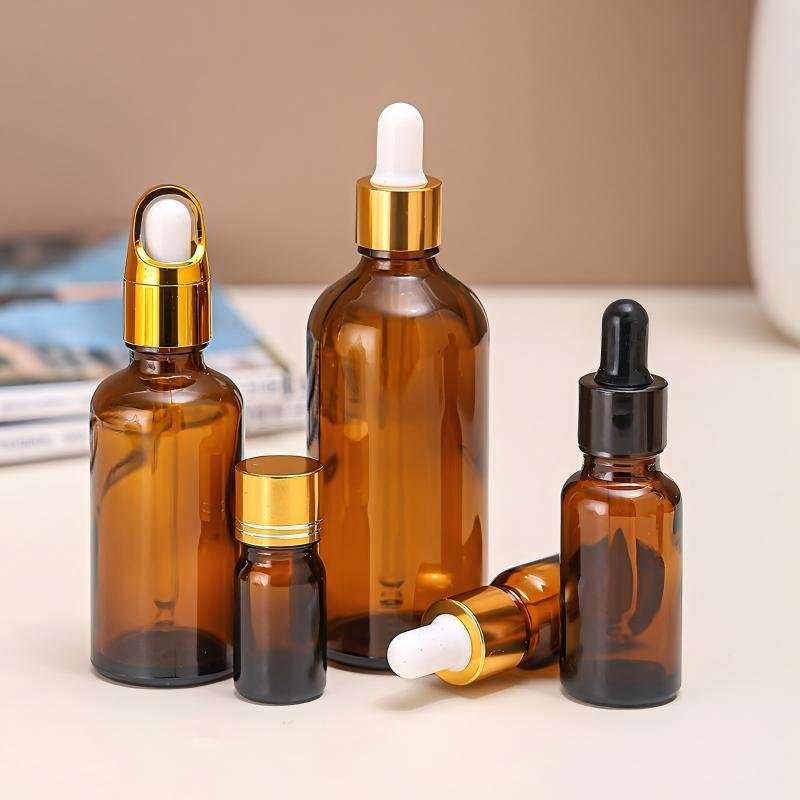
- Glass bottles with aluminum caps
- Aluminum bottles with compatible closures and internal coatings if required
Key considerations:
- Shipping protection design
- Compatibility testing for formulas such as essential oils, acids, or alcohol-based products
Jar packaging
Common options:
- Glass jars with metal caps
- Aluminum tins for balms and solids
Key considerations:
- Seal integrity and liner choices
- Avoiding plastic inner lids if you claim plastic-free
Flexible packaging
True plastic-free flexible packaging is limited. Many “eco” flexible packs still rely on film structures. If you need a flexible format, consider whether your goal is:
- Plastic-free at all costs
- Or a recyclable mono-material solution with PCR content where available
Flexible packaging is an area where “plastic-free” can become expensive and technically restrictive.
Paper boxes and secondary packaging
This is usually the easiest place to go plastic-free:
- Recycled paperboard cartons
- Molded fiber inserts
- Avoid plastic windows and lamination
This can deliver a strong sustainability improvement with lower technical risk.
Hidden costs brands often miss
The cost of “almost plastic-free”
If you want a true plastic-free claim, you may need to remove:
- Plastic label films and laminations
- Cap liners and induction seals
- Tamper-evident bands
- Adhesives that contain synthetic polymers
- Protective films used during transport
Eliminating these can increase failure risk unless the design is carefully engineered.
The cost of supply chain constraints
Plastic-free packaging may have:
- Higher minimum order quantities
- Fewer qualified suppliers
- Longer lead times
- Higher risk of shortages for specialty components
The cost of sustainability claims
Claims like “plastic-free” must be consistent and defensible. If a customer finds a plastic liner or shrink sleeve, your brand trust can take a hit. Clear internal definitions and supplier documentation reduce that risk.
A balanced approach that often beats “plastic-free”
If your brand wants a meaningful sustainability win without extreme cost increases, consider:
- Primary packs that are widely recyclable
- High post-consumer recycled content where possible
- Refill and reuse strategies
- Simplified components and mono-material design
- Plastic reduction goals rather than absolute elimination
In many categories, “less plastic, designed for recycling” outperforms “plastic-free” in both cost and real-world outcomes.
FAQ
Is plastic-free packaging always more expensive
Usually yes, especially for primary packaging. Higher unit costs, increased shipping weight, more protective packaging, and higher breakage risk commonly increase total landed cost.
Is plastic-free packaging better for the environment
Not always. It can reduce plastic pollution risk and improve recyclability in some cases, but heavier materials can increase shipping emissions. The best option depends on product needs, region, and reuse rates.
What is the cheapest plastic-free packaging material
Paper-based secondary packaging is often the most cost-effective area to go plastic-free. For primary packaging, aluminum and glass costs vary widely by size, shape, decoration, and order volume.
Can pump bottles be truly plastic-free
It is difficult. Most pump and dispenser designs include multiple plastics and metal parts. A practical approach is reuse, recyclable pump designs, or switching dispensing methods.
Plastic-free and low-impact packaging with Supply-Packagings
Supply-Packagings provides supply packagings for everything, including Bottle Packaging, Jar Packaging, Pump & Dispenser, Flexible Packaging, Paper Boxes, Cosmetic Packaging, Pharmaceutical Containers, Supplement Packaging, and Daily Chemical Packaging. If you are evaluating plastic-free packaging, we can help you compare total landed cost, test compatibility, engineer protective packaging to reduce breakage, and choose the most realistic solution for your markets and sustainability goals.
Share your product type, target regions, container volume, and whether you need pumps or special barriers, and we can recommend a plastic-free or plastic-reduced packaging roadmap that makes both environmental and business sense.