

Packaging choices can significantly affect your brand’s total emissions—often more than people expect. From raw material extraction to manufacturing energy, shipping weight, and end-of-life disposal, the packaging material you choose directly influences your carbon footprint and your customer’s ability to recycle or compost responsibly. This guide covers the 10 best eco-friendly packaging materials you can use today—plus practical tips for applying them to real formats like bottle packaging, jar packaging, pump & dispenser components, flexible packaging, paper boxes, cosmetic packaging, pharmaceutical containers, supplement packaging, and daily chemical packaging.
What makes a packaging material eco-friendly
“Eco-friendly” is not a single label—it’s a performance outcome across the full lifecycle. The most sustainable packaging material is usually the one that achieves the best balance of:
- Lower embodied carbon (less energy and emissions to produce)
- High recycled content (especially post-consumer recycled material)
- High recovery rate (widely recycled in your sales markets)
- Right-sized weight and volume (lower transport emissions)
- Product protection (preventing leaks and spoilage avoids far more emissions than the package itself)
- Responsible end-of-life (recyclable or compostable in real conditions)
A helpful hierarchy to follow is: Reduce → Reuse/Refill → Recycle → Compost (only when composting is truly available).
1. Recycled paper and cardboard
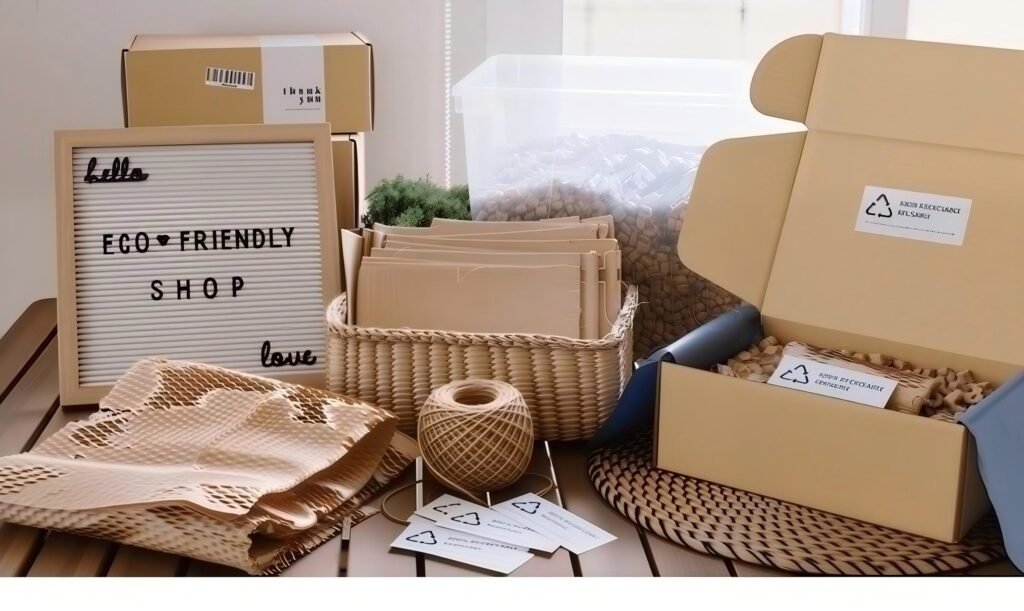
Best for: paper boxes, folding cartons, mailers, inserts, sleeves, secondary packaging for cosmetics and supplements.
Why it helps reduce carbon footprint: Recycled fiber generally requires less energy than virgin pulp, and paper recovery systems are widely established in many countries.
Practical advantages
- Strong consumer trust and easy disposal
- Excellent printability with water-based inks
- Works well for protective structures when engineered correctly
Watch-outs
- Poor moisture and grease resistance unless treated
- Laminations and plastic windows can reduce recyclability
How to use it better
- Choose high post-consumer recycled content
- Prefer FSC-certified paper when virgin fiber is needed
- Avoid plastic lamination; use aqueous coatings where possible
2. Molded pulp and molded fiber
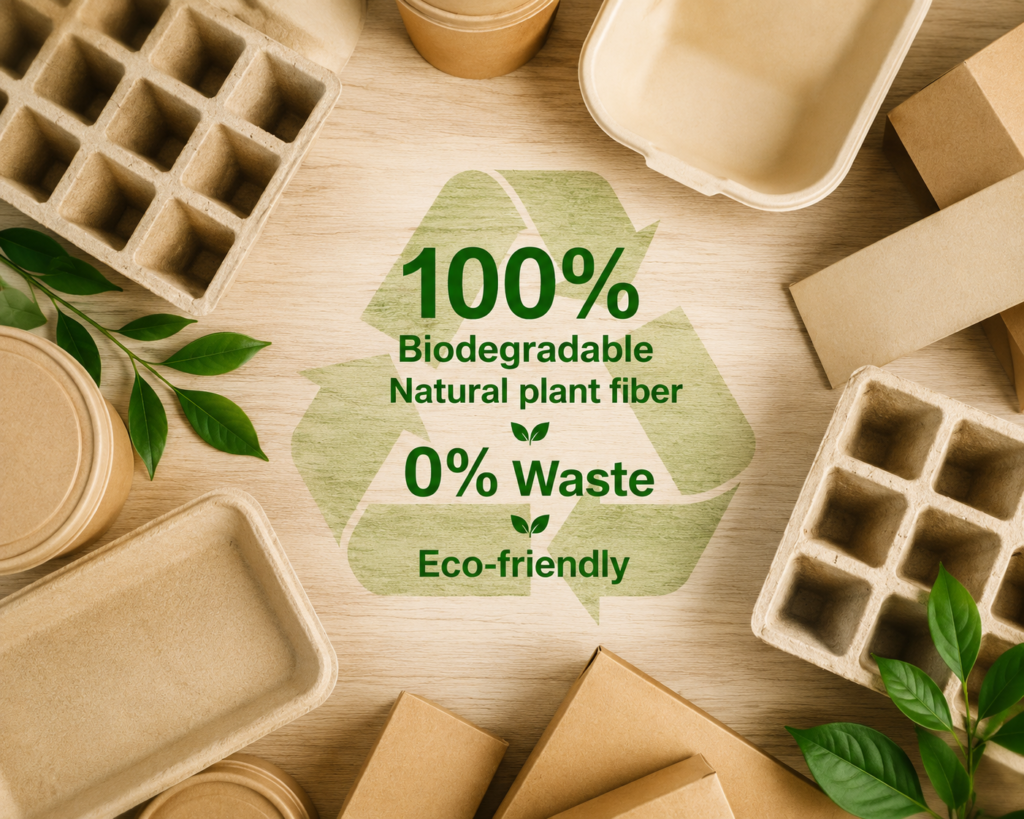
Best for: protective inserts for bottles and jars, eco-friendly set packaging, pharma and supplement cushioning.
Why it helps reduce carbon footprint: Molded pulp often uses recycled paper streams and replaces petroleum-based foams.
Practical advantages
- Great shock absorption and drop protection
- Premium natural look for sustainable branding
- Often compostable or recyclable depending on additives
Watch-outs
- Water resistance varies by formulation
- Tolerances may be less precise than plastic trays
Ideal applications
- Glass bottle packaging shipped in e-commerce
- Jar packaging for skincare sets
- Protective structures inside paper boxes
3. Glass
Best for: cosmetic jars, serum bottles, essential oils, some pharmaceutical containers, and refillable packaging systems.
Why it helps reduce carbon footprint: Glass is highly recyclable and can be recycled repeatedly. It becomes even more sustainable when used in reuse or refill programs.
Practical advantages
- Strong barrier and chemical compatibility
- High-end shelf appeal for cosmetic packaging
- Works well for products sensitive to oxygen or fragrance loss
Watch-outs
- Heavier than most materials, raising shipping emissions
- Breakage risk requires good protective packaging design
How to lower glass impact
- Use lightweight designs
- Increase recycled cullet content
- Optimize shipper design with molded pulp or corrugated inserts
4. Aluminum
Best for: closures, caps, tins, certain bottles, and premium personal care packaging.
Why it helps reduce carbon footprint: Aluminum is valuable in recycling systems and can be recycled many times. Using recycled aluminum typically saves significant energy compared with virgin aluminum.
Practical advantages
- Excellent barrier properties
- Lightweight compared with glass
- High perceived value and durability
Watch-outs
- Liners or coatings may be needed for formula compatibility
- Mixed materials can complicate recycling if not designed carefully
5. Steel and tinplate
Best for: tins for balms, solid products, gift sets, some supplement packaging for powders, and durable daily chemical packaging.
Why it helps reduce carbon footprint: Steel is widely recycled and durable enough for long-term reuse, which can lower lifecycle emissions.
Practical advantages
- Strong protection and stackability
- Great for reuse and collector-style packaging
- Premium look with embossing or minimal printing
Watch-outs
- Heavier than aluminum
- Coatings and gaskets should be selected with recyclability in mind
6. Post-consumer recycled plastics
Best for: bottle packaging, daily chemical packaging, many caps, some pharmaceutical containers and supplement bottles depending on regulations.
Common PCR options
- rPET for clear bottles and some jars
- rHDPE for durable opaque bottles
- rPP for closures and certain containers
Why it helps reduce carbon footprint: Replacing virgin resin with PCR can cut emissions and keeps waste in circulation.
Practical advantages
- Lightweight for lower transport emissions
- Familiar performance and filling compatibility
- Scalable for high-volume packaging supply
Watch-outs
- Color and odor variability can occur
- Regulatory requirements may limit PCR percentage for certain categories or markets
- Pumps and mixed components can reduce recyclability
Design tips for higher recycling rates
- Keep packaging mono-material where possible
- Avoid full-body shrink sleeves that block sorting
- Use recyclable labels and compatible adhesives
7. Mono-material recyclable flexible packaging
Best for: refill pouches, sachet alternatives, lightweight shipping-efficient formats for daily chemical packaging and certain cosmetic products.
Why it helps reduce carbon footprint: Flexible packaging uses less material than rigid packaging and reduces shipping weight and volume. When designed as mono-material (for example, all-PE or all-PP), it can be recyclable where collection exists.
Practical advantages
- Excellent material efficiency
- Lower transportation emissions per unit
- Great for refill strategies that reduce primary packaging use
Watch-outs
- Recycling availability for flexible films varies widely by country and region
- Barrier needs (oxygen, moisture) may require specialized structures
Best use case
- A refill pouch supporting a reusable bottle, which often cuts total footprint substantially
8. Compostable bioplastics
Best for: specific compostable programs, short-life packaging where industrial composting is available, selected flexible applications.
Common materials
- PLA
- PHA
- Certified compostable blends
Why it can help reduce carbon footprint: Compostables can reduce fossil input and may reduce landfill burden, but the benefit depends on real access to composting facilities.
Practical advantages
- Strong sustainability narrative when used responsibly
- Useful for certain food-contaminated packaging situations
Watch-outs
- Many compostables require industrial composting
- Can contaminate recycling streams if not clearly labeled and collected separately
- “Biodegradable” claims must be accurate and compliant
What to demand from suppliers
- Recognized certifications such as EN 13432 or ASTM D6400
- Clear disposal instructions on-pack
9. Cellulose-based films
Best for: compostable overwraps, window patches in paper boxes, and selected flexible packaging applications.
Why it helps reduce carbon footprint: Cellulose films can come from renewable feedstocks and may be compostable depending on coatings and inks.
Practical advantages
- Good printability and premium matte feel
- Can replace some petroleum-based films in specific designs
Watch-outs
- Barrier performance varies
- Coatings or laminations can remove compostability or recyclability benefits
10. Mycelium packaging
Best for: protective packaging inserts for glass bottles and jars, premium cosmetic sets, and specialized e-commerce protection.
Why it helps reduce carbon footprint: Mycelium materials can be grown using agricultural byproducts and can replace expanded polystyrene foam in protective packaging.
Practical advantages
- Strong cushioning performance
- Distinctive brand story for sustainable packaging
- Often compostable under appropriate conditions
Watch-outs
- Not suitable for most primary liquid containers
- Lead times and tooling may be longer than conventional inserts
How to pick the best eco-friendly packaging material for your product
Choosing the right material becomes easier when you match it to product needs and end-of-life reality.
Step 1: Start with your packaging format
- Bottle packaging: rPET, rHDPE, aluminum, lightweight glass
- Jar packaging: glass, rPET, aluminum tins, paper-based secondary boxes
- Pump and dispenser: recyclable designs, reduced mixed materials, refillable systems
- Flexible packaging: mono-material recyclable films, cellulose films, certified compostables in the right markets
- Paper boxes: recycled paperboard, molded pulp inserts
- Cosmetic packaging: glass or PCR plastics with strong aesthetics and compatibility
- Pharmaceutical containers: compliant HDPE/PET solutions, careful material and label selection
- Supplement packaging: HDPE/PET bottles with PCR where allowed, recyclable closures
- Daily chemical packaging: PCR plastics, refill pouches, aluminum options for premium lines
Step 2: Reduce before you replace
Many brands cut emissions faster by doing these first:
- Light-weighting: less material with the same performance
- Right-sizing: smaller boxes, less void fill
- Concentrates and refills: a reusable bottle + refill pouch often beats “perfect” single-use materials
- Standardized components: fewer unique SKUs can reduce waste and improve recycling outcomes
Step 3: Design for recycling, not just for sustainability claims
Common improvements that boost real recycling rates:
- Use mono-material packaging where possible
- Avoid dark pigments like carbon black that reduce sorting accuracy
- Choose labels that peel off cleanly or are compatible with the main material
- Keep secondary packaging easy to separate from the primary container
Common mistakes that increase emissions even with green materials
- Using compostable materials where composting is unavailable
If it goes to landfill, the climate benefit is often lost. - Overbuilding secondary packaging
A strong paper box is good; an oversized rigid box with heavy inserts is not. - Complex pump designs that are hard to recycle
Pumps often combine multiple plastics and metal springs. Consider refill systems or recyclable pump designs where possible. - Ignoring product protection
A “greener” package that leaks or shortens shelf life creates more waste and more emissions overall.
FAQ
What are the best eco-friendly packaging materials for reducing carbon footprint
Top options include recycled paper and cardboard, molded pulp, PCR plastics, aluminum, and glass when combined with lightweighting or refill programs. The best choice depends on your product and local recycling infrastructure.
Is recycled plastic eco-friendly
Post-consumer recycled plastic can be eco-friendly because it reduces demand for virgin fossil-based resin and supports a circular economy. The packaging must be designed for recycling, ideally using mono-material structures and recyclable labels.
Is glass always the most sustainable packaging
Not always. Glass is highly recyclable and great for reuse, but it is heavy. For long-distance shipping, a lightweight PCR plastic bottle may have a lower carbon footprint than glass. The most sustainable option depends on shipping distance, breakage risk, and reuse potential.
What is the best eco-friendly packaging for cosmetics and skincare
For cosmetics, common low-impact choices include lightweight glass, rPET bottles, PCR jars, aluminum components, and recycled paper boxes. Brands can reduce footprint further with refillable packaging and simplified, recyclable components.
Sustainable packaging sourcing with Supply-Packagings
Supply-Packagings provides supply packagings for everything, including Bottle Packaging, Jar Packaging, Pump & Dispenser, Flexible Packaging, Paper Boxes, Cosmetic Packaging, Pharmaceutical Containers, Supplement Packaging, and Daily Chemical Packaging. If you want to cut emissions without sacrificing product protection or shelf appeal, the fastest path is choosing a material that is both lower-carbon and widely recoverable in your target markets.
If you share your product type, volume, target countries, and sustainability goal, we can recommend the most practical eco-friendly packaging materials and structures for your next production run.