
Skincare packaging is not just about aesthetics—it directly affects product stability, hygiene, dosing, customer satisfaction, and whether your brand earns repeat purchases. The right container protects your formula from oxygen, light, contamination, and leakage while making daily use effortless. This guide explains how to choose skincare packaging that performs in real life across bottle packaging, jar packaging, pump & dispenser, flexible packaging, and paper boxes, with practical recommendations for different product types and brand goals.
Start with the most important question: what does your formula need
Before you pick a bottle or jar shape, define the technical needs of your skincare product. The “best” packaging depends on your formula’s sensitivity to:
- Oxygen exposure
- Light exposure
- Moisture loss or gain
- Microbial contamination
- Ingredient interactions with packaging materials
- Viscosity and dispensing behavior
- Travel and shipping stress
If you choose packaging based on looks first, you often pay later in returns, leaks, oxidation, separation, discoloration, or customer complaints.
Match packaging to skincare product type
Different skincare products behave differently in packaging. Use this as a fast starting point.
Serums and treatments
Common needs:
- Strong protection from oxygen and light for unstable actives
- Precise dosing
- Low contamination risk
Best-fit packaging options:
- Airless pump bottles
- Treatment pumps with controlled dosage
- Glass bottles with droppers for certain formulas
- Opaque or UV-protective bottles for light-sensitive actives
Creams and moisturizers
Common needs:
- Barrier protection to preserve texture and fragrance
- Hygienic daily use
- Easy access to product near the end of life
Best-fit packaging options:
- Jars with inner lids or hygienic dispensers
- Airless jars for premium, low-contamination use
- Tubes for travel-friendly, low exposure use
Cleansers and body wash
Common needs:
- Reliable pumps, good leak resistance
- High-volume dispensing
- Durability for wet environments
Best-fit packaging options:
- Pump bottles in PET or HDPE
- Refillable systems with durable pumps
- Flexible refill pouches paired with a reusable bottle
Oils and oil-based blends
Common needs:
- Excellent oxygen control
- Leak-proof closure
- Compatibility with essential oils and fragrance components
Best-fit packaging options:
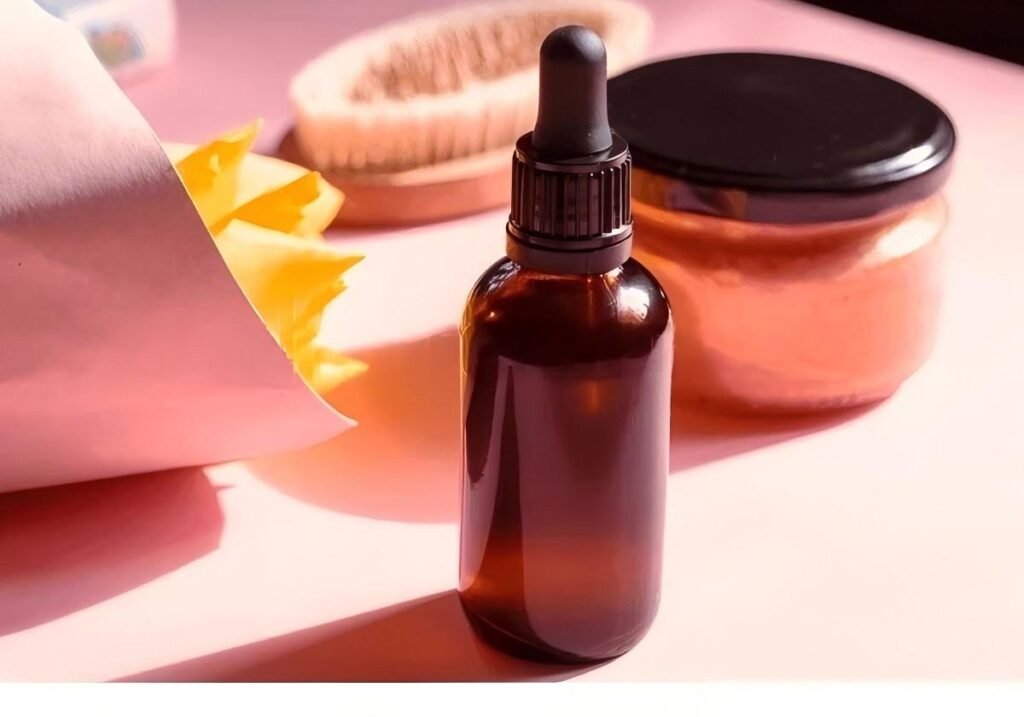
- Glass dropper bottles
- Treatment pumps designed for oils
- Airless packaging when oxidation is a concern
Sunscreen and SPF products
Common needs:
- Stable dispensing, good barrier performance
- Often thicker viscosity
- Compliance labeling space
Best-fit packaging options:
- Tubes or airless pumps
- Durable bottles with controlled orifices
- Secondary paper boxes when labeling space is required
Choose your primary packaging format
Your primary packaging is the container that touches the formula. In skincare, the big decision is usually between bottles, jars, tubes, and airless systems.
Bottle packaging
Best for:
- Toners, cleansers, serums, body lotions, oils
Strengths:
- Easy to use daily
- Strong for shipping and retail
- Many closure choices: caps, pumps, droppers, sprayers
Key risks:
- Incorrect pump choice leads to dripping, clogging, or inconsistent dosing
- Clear packaging can expose light-sensitive formulas
- Mixed components can reduce recyclability unless designed carefully
Jar packaging
Best for:
- Creams, masks, balms, scrubs
Strengths:
- Wide opening for thick textures
- Premium shelf look and feel
- Good for products that need finger access
Key risks:
- Higher contamination risk from repeated finger contact
- Oxygen exposure each time the jar is opened
- Inner lid and liner choices affect sealing and dryness control
Pump and dispenser systems
Best for:
- Products used daily where hygiene and dosing matter
Strengths:
- Lower contamination risk than open jars
- Better dosing control
- Supports premium experience when pump quality is high
Key risks:
- Pumps can be the #1 leak and breakage failure in shipping
- Many pumps are mixed-material and harder to recycle
- Actuator choice must match viscosity
Flexible packaging
Best for:
- Refills, travel packs, sample sachets, cost-efficient high-volume lines
Strengths:
- Lightweight for lower shipping cost
- Efficient material use
- Enables refill programs that reduce total packaging
Key risks:
- Seal integrity is critical
- Puncture risk in e-commerce shipments
- End-of-life recycling depends heavily on local collection systems
Paper boxes
Best for:
- Secondary packaging for protection, compliance text, premium presentation, gift sets
Strengths:
- Excellent branding and storytelling surface
- Helps protect primary packaging in transit
- Can improve retail presence
Key risks:
- Over-finishing can reduce recyclability
- Boxes can crush if not protected by the shipping system
- Excess secondary packaging can cause “overpackaging” backlash
Select the right material for skincare packaging
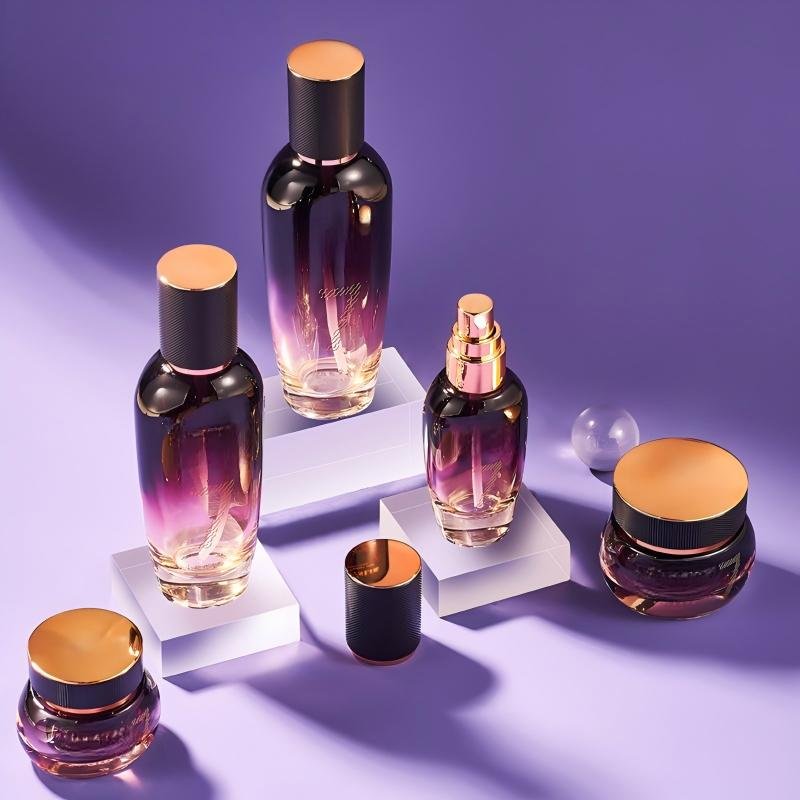
Material affects compatibility, sustainability perception, weight, and cost. The most common options include plastic, glass, and aluminum.
PET
Best for:
- Clear bottles, some jars, many skincare and body care products
Pros:
- Strong clarity and premium look
- Lightweight and shipping-friendly
- Often widely recycled in many markets
Considerations:
- Not ideal for all solvent-heavy or essential-oil-heavy formulas without compatibility checks
- Label and color choices affect real recycling outcomes
HDPE
Best for:
- Opaque bottles, daily cleansers, shampoos, lotions, many daily chemical style products
Pros:
- Tough and chemical resistant
- Lightweight and durable
- Often widely recycled
Considerations:
- Less “luxury” look unless finished well
- Opaque appearance may limit “see the product” aesthetics
PP
Best for:
- Jars, caps, closures, some bottles
Pros:
- Good chemical resistance
- Strong for closures and thicker-wall parts
Considerations:
- Recycling acceptance varies by region
- Finish and color consistency matters for premium skincare
Glass
Best for:
- Premium serums, oils, some creams, fragrance-adjacent skincare
Pros:
- Excellent barrier and premium feel
- Strong compatibility for many actives and oils
- Good for reuse/refill programs
Considerations:
- Heavy and breakable, requiring protective packaging
- Shipping cost and damage risk can increase without proper inserts
Aluminum
Best for:
- Certain bottles, closures, tins, premium concepts
Pros:
- Lightweight vs glass
- Strong barrier and premium “modern” feel
- Highly recyclable in many markets
Considerations:
- Liners/coatings may be needed depending on formula
- Compatibility must be validated for acids and certain actives
Compatibility testing: what brands should validate
Skincare packaging must be tested with your real formula, not guessed based on “typical use.” At minimum, validate:
- Color change of formula over time
- Odor change or fragrance loss
- Viscosity and separation changes
- Stress cracking in plastic
- Leakage after temperature cycling
- Pump performance over repeated use
- Label adhesion and scuff resistance
- Migration and compliance considerations for regulated markets
A packaging upgrade that looks premium but fails in stability will cost more than it saves.
How to choose between airless, pump, dropper, and jar
This is one of the biggest skincare packaging decisions because it affects both performance and customer experience.
Airless packaging
Choose airless when:
- Your formula is oxygen-sensitive
- You want improved hygiene and lower contamination risk
- You want near-complete evacuation of product for premium feel
Watch-outs:
- Airless systems must be high quality to avoid priming issues
- Higher unit cost than basic bottles
- Component complexity can affect recyclability goals
Standard pumps
Choose pumps when:
- You need fast, clean dispensing
- You sell cleansers, lotions, sunscreens, or high-frequency products
Watch-outs:
- Pump output must match viscosity
- Add locks or overcaps for e-commerce shipping
- Consider reuse strategies: keep the pump, replace/refill the bottle
Droppers
Choose droppers when:
- You want precise dosing for serums and oils
- Your brand aesthetic is premium and ritual-based
Watch-outs:
- Not ideal for very thin formulas that drip too fast
- Oxygen exposure occurs with each open/close cycle
- Leak control in shipping must be tested carefully
Jars
Choose jars when:
- Texture is thick and needs a wide opening
- The product is a mask, balm, scrub, or cream where finger use is acceptable
Watch-outs:
- Consider inner lids, spatulas, or hygienic dispenser alternatives
- Oxygen and contamination exposure is higher than pumps/airless
Sustainable packaging choices for skincare brands
Sustainability is a major purchase driver in skincare, but it must be practical and defensible.
High-impact sustainability strategies
- Use PCR plastics such as rPET or rHDPE where allowed and performance remains stable
- Design for mono-material packaging where possible
- Reduce secondary packaging and right-size paper boxes
- Use molded fiber inserts instead of plastic trays for sets
- Build refill systems for high-frequency products like cleansers and lotions
Pump and dispenser sustainability reality
Pumps are often the hardest component to make recyclable because they include multiple plastics and metal parts. Practical strategies include:
- Reuse the pump across refills
- Choose simplified pump designs with fewer materials
- Provide clear customer guidance for separation if needed
Glass vs plastic sustainability
Glass can be excellent for reuse and premium positioning, but shipping weight and breakage risk matter. For some products and shipping lanes, lightweight PCR plastic can reduce overall footprint while still being recyclable in many markets. The best choice depends on where you sell and how customers dispose of packaging.
Branding and design tips that improve conversion
Skincare packaging sells through trust and daily experience. High-performing packaging usually has:
- Clear front label hierarchy: brand, product type, key benefit, size
- Consistent variant system across the line
- Premium tactile cues: matte finishes, clean printing, quality closures
- Easy-to-understand usage directions
- Tamper evidence for customer confidence
Avoid over-decorating in a way that causes scuffing, poor readability, or recycling issues.
E-commerce and shipping requirements for skincare packaging
Many skincare packaging failures happen during transit, not in the lab. If you sell online, plan for:
- Drops and corner impacts
- Vibration that loosens caps and creates micro-leaks
- Compression that crushes paper boxes
- Temperature swings in delivery networks
Best practices:
- Use inserts or dividers for glass bottle packaging and jar packaging
- Lock pumps and add overcaps where needed
- Choose right-sized shipping boxes to reduce movement and void fill
- Test leakage with both drop and vibration conditions, not only static tests
Skincare packaging checklist
Use this quick checklist to choose packaging faster and reduce risk:
- Does the packaging protect against oxygen and light as needed
- Is the material compatible with the formula over time
- Does the dispenser match viscosity and dosing needs
- Is leakage risk controlled for e-commerce shipping
- Can the customer use it cleanly and easily every day
- Is the sustainability claim realistic for your target markets
- Is labeling space sufficient for compliance and instructions
- Does the secondary packaging improve protection and presentation without overpackaging
FAQ
What is the best packaging for skincare serums
Often airless pumps or treatment pumps for oxygen-sensitive serums, and droppers for oils or ritual-driven products. The best choice depends on sensitivity to oxygen/light and dosing needs.
Is glass packaging better for skincare
Glass is premium and offers excellent barrier protection, but it is heavier and breakable. It can be a great choice for serums and oils when paired with protective packaging. For some e-commerce-heavy brands, lightweight PCR plastics can be more practical while still supporting recyclability.
How do I prevent skincare packaging from leaking during shipping
Use the correct closure and liner, control torque, immobilize products inside the shipper, lock pumps, and validate with drop and vibration testing. Oversized boxes and loose bottles are common leak multipliers.
How can skincare brands make packaging more sustainable
Use PCR materials, reduce secondary packaging, design for recycling with mono-material choices where possible, and introduce refill systems for high-frequency products. Pumps are often best handled through reuse and simplification.
Skincare packaging solutions from Supply-Packagings
Supply-Packagings provides supply packagings for everything, including Bottle Packaging, Jar Packaging, Pump & Dispenser, Flexible Packaging, Paper Boxes, Cosmetic Packaging, Pharmaceutical Containers, Supplement Packaging, and Daily Chemical Packaging. If you share your skincare product type, formula characteristics, target markets, and desired sustainability goal, we can recommend practical packaging options that balance compatibility, premium appearance, shipping performance, and scalable production.