
Vacuum sealing and Modified Atmosphere Packaging are two of the most effective technologies for extending food shelf life, improving freshness during distribution, and reducing waste—but they work in very different ways. Choosing the wrong method can lead to crushed products, poor texture, discoloration, leaking packs, or “freshness” claims that don’t hold up in real logistics. This guide explains vacuum sealing vs MAP in plain English, with practical recommendations for food brands, meal-prep companies, cafés, and manufacturers using flexible packaging, trays, jars, bottles, and shipping cartons.
What vacuum sealing is
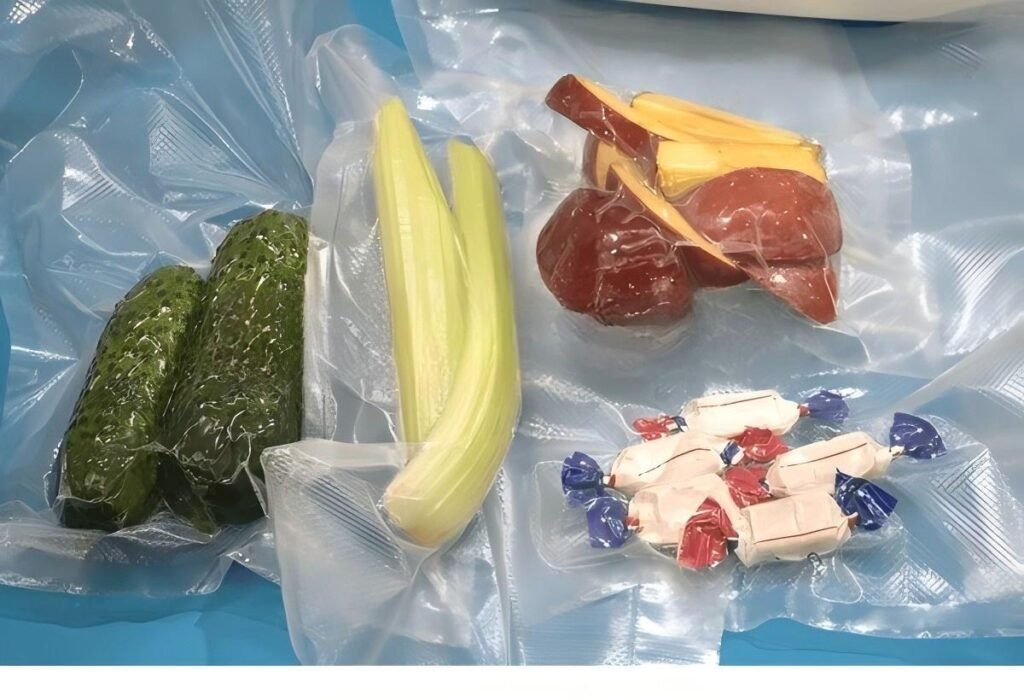
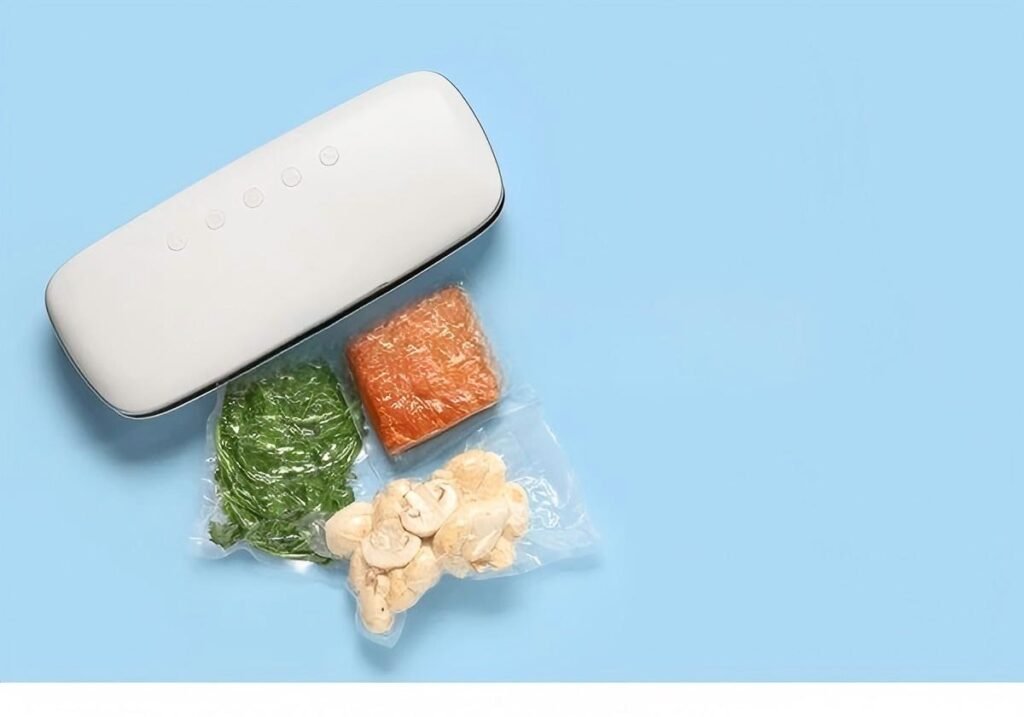
Vacuum sealing removes most of the air from a package and then seals it tightly. With less oxygen available, oxidation slows down and many spoilage processes are reduced.
Typical vacuum formats include:
- Vacuum pouches for meats, seafood, cheese
- Vacuum skin packs on trays
- Vacuum bags for frozen foods or sous-vide products
Vacuum packaging is usually paired with high-barrier flexible packaging films designed to maintain a strong seal and resist oxygen ingress over time.
What Modified Atmosphere Packaging is
Modified Atmosphere Packaging changes the gas inside the package to a controlled mix, usually by:
- Removing air, then flushing with gases like nitrogen, carbon dioxide, and sometimes oxygen
- Sealing the package to hold that gas mix for the desired shelf life
MAP is widely used for:
- Fresh meats and poultry
- Bakery and ready-to-eat foods
- Fresh-cut produce
- Snacks and coffee
- Prepared meals in trays
The goal is not always “no oxygen.” The goal is the right atmosphere for that specific product.
The key difference between vacuum sealing and MAP
Vacuum sealing focuses on:
- Removing air to minimize oxygen and package volume
MAP focuses on:
- Replacing air with a specific gas blend to protect quality and appearance
Both methods depend heavily on:
- Film barrier performance
- Seal integrity
- Correct processing conditions
- Temperature control across the supply chain
How each method extends shelf life
Vacuum sealing shelf-life mechanism
Vacuum sealing helps by:
- Reducing oxygen to slow oxidation and rancidity
- Reducing aerobic microbial activity
- Minimizing package headspace, which can reduce moisture loss
However, vacuum can also change product shape and appearance because pressure compresses the product and packaging.
MAP shelf-life mechanism
MAP helps by:
- CO2 inhibiting many bacteria and molds in certain foods
- N2 acting as an inert filler gas that reduces oxygen and prevents pack collapse
- O2 sometimes being intentionally retained or added to preserve color in certain meats and prevent anaerobic risks in some systems
MAP can preserve both shelf life and presentation, but requires more precise control than vacuum alone.
Common gases used in MAP and what they do
Nitrogen
- Inert gas used to displace oxygen
- Helps prevent pack collapse by filling headspace
- Common for snacks, coffee, bakery, and dry goods
Carbon dioxide
- Antimicrobial effect for many foods
- Often used for meats, poultry, cheese, prepared foods
- Can be absorbed into food and cause package collapse if not balanced with nitrogen
Oxygen
- Used selectively, especially for red meat color preservation
- Too much oxygen can increase oxidation for fats and certain foods
- Requires careful product matching and safety controls
Gas choice is product-specific. A “standard MAP mix” is rarely optimal across different food categories.
Pros and cons of vacuum sealing
Advantages of vacuum sealing
- Usually simpler equipment and process compared with complex MAP lines
- Strong shelf-life extension for many proteins and cheeses
- Tight pack reduces freezer burn risk in frozen items
- Lower headspace can improve shipping efficiency and reduce package volume
- Great for sous-vide and meal-prep portions
Limitations of vacuum sealing
- Can crush delicate foods or deform soft products
- Can cause drip loss and “compressed” appearance in some meats
- Not ideal for products that need headspace or a specific atmosphere to maintain texture
- Any micro-leak quickly defeats the benefit
Vacuum works best when product appearance is acceptable under compression and the seal is extremely reliable.
Pros and cons of MAP
Advantages of MAP
- Better control of color, texture, and appearance than vacuum for many foods
- Ideal for retail presentation in trays, clamshells, and lidded packs
- Can extend shelf life while keeping product shape intact
- Useful for products that can’t be vacuum compressed
Limitations of MAP
- More complex equipment and process control
- Gas mix must match the food and shelf-life target
- Packaging material barrier must be appropriate, or the gas balance drifts over time
- Higher risk of failure if seals, films, or gas flow settings are inconsistent
MAP is often worth it when presentation and retail shelf performance matter as much as shelf life.
Which is better for different food products
Fresh red meat
Often best: MAP
- Many red meat programs use oxygen-including MAP blends to maintain bright red color.
- Vacuum can darken appearance even if quality is fine, which can reduce retail acceptance.
Cooked meats and deli items
Often best: Vacuum or MAP
- Vacuum works well for sliced cooked proteins and portion packs.
- MAP can reduce package collapse and improve presentation depending on format.
Cheese
Often best: Vacuum
- Vacuum is common for blocks and portions due to tight sealing and reduced mold risk.
- MAP can also work for shredded cheese or retail trays, but barrier and seal control are critical.
Fresh-cut produce
Often best: MAP
- Produce “breathes,” so the package atmosphere changes over time.
- MAP systems for produce often combine controlled gas mix and specific film permeability.
- Vacuum is usually not suitable because it can damage delicate produce and change respiration balance.
Bakery products
Often best: MAP
- MAP reduces mold growth and maintains softness.
- Vacuum can crush bakery items and create poor texture.
Snacks, nuts, coffee
Often best: MAP
- Nitrogen flush is common to reduce oxygen and protect aroma.
- Vacuum can be used for some dry foods, but MAP is usually preferred for preventing crushing and maintaining pack shape.
Ready meals in trays
Often best: MAP
- Trays typically require headspace and strong presentation.
- MAP can reduce microbial growth and maintain better appearance.
There’s no universal winner. The best choice depends on the food’s sensitivity to oxygen, moisture, compression, and appearance requirements.
Packaging material requirements for vacuum vs MAP
Both vacuum and MAP require packaging designed for:
- Strong heat seals
- Puncture resistance
- Appropriate oxygen and moisture barrier
- Stable performance at refrigeration or freezing temperatures
Flexible packaging films
Common barrier layers include EVOH and other high-barrier constructions, but the exact structure should match:
- Shelf-life target
- Storage temperature
- Distribution time
- Seal method and machine settings
Trays and lidding films
MAP trays typically need:
- Tray material compatibility with lidding film
- Reliable peel or weld seals
- Controlled seal widths and clean sealing surfaces
A frequent failure point is not the gas mix—it’s seal integrity and contamination at the seal area.
Cost and operational differences
Vacuum sealing costs
Cost drivers typically include:
- Pouch or film cost
- Cycle time and throughput
- Seal quality controls
- Labor and handling
Vacuum is often cost-efficient for:
- Portion packs
- Protein and cheese
- Sous-vide products
MAP costs
Cost drivers include:
- Gas supply and gas control systems
- Higher line complexity and maintenance
- Trays and lidding film systems
- More detailed QC for gas composition and seal performance
MAP is often worth the added cost when:
- Retail appearance drives sales
- Product is delicate and cannot be compressed
- Shelf-life targets are longer and performance must be consistent
Shelf-life testing and validation
If you are selecting vacuum or MAP, validate with real tests, not assumptions.
Key validations include:
- Seal strength testing and leak detection
- Gas composition verification over time for MAP
- Microbial shelf-life studies aligned with your product and process
- Temperature abuse simulation if your supply chain isn’t perfectly controlled
- Drop and vibration testing to ensure packages don’t micro-leak in shipping
A high-barrier film is useless if your seals fail after transport vibration.
Common mistakes to avoid
- Choosing vacuum sealing for products that cannot handle compression
- Using MAP without confirming your film barrier and seal compatibility
- Assuming “more CO2 is always better” without testing texture and package collapse
- Ignoring condensation and liquid contamination near seal areas
- Treating oxygen control as the only freshness lever while ignoring temperature control
- Scaling production before confirming consistent gas mix and seal integrity on real equipment
How Supply-Packagings can help with freshness-protecting packaging
Supply-Packagings provides supply packagings for everything, including Flexible Packaging, Paper Boxes, Bottle Packaging, Jar Packaging, Pump & Dispenser, Cosmetic Packaging, Pharmaceutical Containers, Supplement Packaging, and Daily Chemical Packaging. For food brands and restaurants building retail-ready or delivery-ready products, we can support packaging selection and supply for:
- High-performance flexible packaging formats suitable for vacuum or MAP concepts
- Bottles and jars for sauces, dressings, and premium take-home items
- Secondary packaging like paper boxes and shipping cartons for safe distribution
Share your product type, storage temperature, shelf-life target, distribution channel, and packaging format, and we can recommend a packaging direction that fits vacuum sealing or MAP requirements realistically.
FAQ
Is vacuum sealing the same as MAP
No. Vacuum sealing removes air; MAP replaces air with a controlled gas mixture. They solve similar shelf-life goals but through different mechanisms and equipment.
Does MAP always last longer than vacuum packaging
Not always. Some products perform extremely well under vacuum, especially cheeses and certain proteins. MAP can outperform vacuum for products where presentation, texture, or respiration behavior matters, such as fresh meats in trays, bakery, and produce.
Can you do MAP in flexible packaging pouches
Yes. Many snacks, coffee, and dry goods use nitrogen flushing in flexible packaging. The correct film barrier and seal reliability are essential to maintain the modified atmosphere.
What matters more than gas mix for MAP success
Seal integrity and packaging barrier performance. Many MAP failures come from micro-leaks, contaminated seal areas, or barrier mismatch—not the gas recipe itself.