

Food freshness isn’t only about ingredients—it’s about protection. The right packaging slows down oxygen exposure, moisture loss or gain, light damage, contamination, and flavor transfer, helping food stay fresh longer during storage, shipping, and delivery. In this guide, you’ll learn how to choose packaging that extends shelf life for real-world foods like sauces, snacks, bakery, meal prep, and takeaway items—using practical formats such as flexible packaging, bottle packaging, jar packaging, paper boxes, and dispensers.
What actually makes food go stale or spoil
To keep food fresh longer, packaging must control the main “enemies” of quality:
- Oxygen
Drives oxidation (rancidity), color changes, vitamin loss, and mold growth in some foods. - Moisture
Too much moisture causes sogginess and microbial growth; too little dries food out and changes texture. - Light
Can degrade oils, flavors, colors, and nutrients. - Microbes and contamination
Bacteria, yeast, and mold growth often start from contamination and accelerate when temperature control fails. - Temperature swings
Condensation forms inside packs, seals weaken, and spoilage speeds up. - Physical damage
Crushed food, broken seals, pinholes, or leaks ruin freshness fast.
Packaging doesn’t “create” shelf life by itself, but it can protect the shelf life your product is capable of.
The shelf-life triangle: product, process, packaging
The most successful freshness strategy combines:
- Product formulation
Water activity, acidity, salt/sugar levels, preservatives, and fat content. - Processing
Hot-fill, pasteurization, sterilization, dehydration, freezing, or baking. - Packaging system
Barrier materials, seal integrity, closure performance, portion control, and storage convenience.
If one side is weak, freshness suffers. For example: a great barrier pouch won’t help if seals fail; a great jar won’t help if the filling process introduces contamination.
How packaging extends freshness: 6 protection functions
Barrier protection
Barrier means resisting oxygen, water vapor, aroma loss, or contamination.
- High oxygen barrier helps oils, nuts, coffee, dried foods, and many snacks.
- High moisture barrier helps keep crunchy foods crisp and prevents drying.
Seal integrity
A tiny seal leak can destroy freshness quickly.
- Heat seal quality, seal width, and material compatibility matter.
- Reclose features help after opening, but the first seal must be reliable.
Portion control
Smaller packs reduce repeated exposure to air and moisture.
- Multi-pack sachets often keep product fresher than one large pack repeatedly opened.
Light control
Amber glass, opaque bottles, foil layers, and UV-blocking labels reduce light damage.
Convenience and behavior
If packaging is hard to reseal, consumers leave it open—freshness drops.
Protection during transport
Crushing, puncture, and vibration can cause micro-leaks or pinholes in flexible packaging and lids.
Best packaging types to keep food fresh longer
Below are the most effective packaging solutions for extending freshness, with practical use cases.
Glass jars and bottles
Best for: sauces, jams, honey, pickles, spices, beverages, dessert jars.
Why it preserves freshness
- Excellent barrier to oxygen and moisture
- Strong flavor protection
- Good for hot-fill and pasteurized products when paired with the right closures
Key tips
- Use the correct cap and liner system for seal performance
- Consider amber or coated glass for light-sensitive products
- Add tamper evidence to protect safety and trust
Supply-Packagings supports jar packaging and bottle packaging options that help brands balance freshness, appearance, and shipping protection.
Aluminum packaging
Best for: coffee, tea, powders, sensitive ingredients, some ready-to-eat foods, premium trays.
Why it preserves freshness
- Very high barrier to light and gases when properly formed
- Excellent for aroma protection
Key tips
- Ensure closures and seams are designed for airtightness
- Use inner liners or coatings where needed for food compatibility
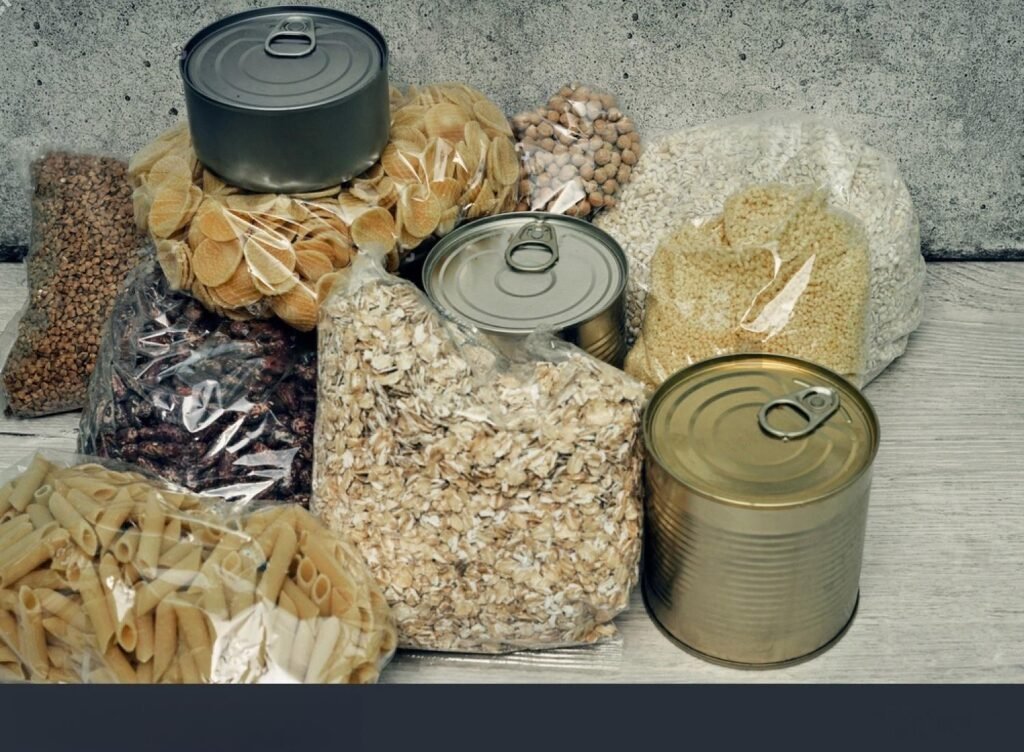
High-barrier flexible packaging
Best for: snacks, nuts, dried fruit, coffee, granola, spices, frozen foods, meal components, sauces in pouches.
Why it preserves freshness
- Can deliver strong oxygen and moisture barrier at low weight
- Seals well and ships efficiently
- Supports features like resealable zippers and spouts
Key tips
- Choose the right barrier structure for your food type
For example, oily foods often need stronger oxygen barrier. - Prioritize seal strength and puncture resistance
- Add reseal features if consumers will open multiple times
Supply-Packagings provides flexible packaging solutions including pouches and films designed for freshness and shipping durability.
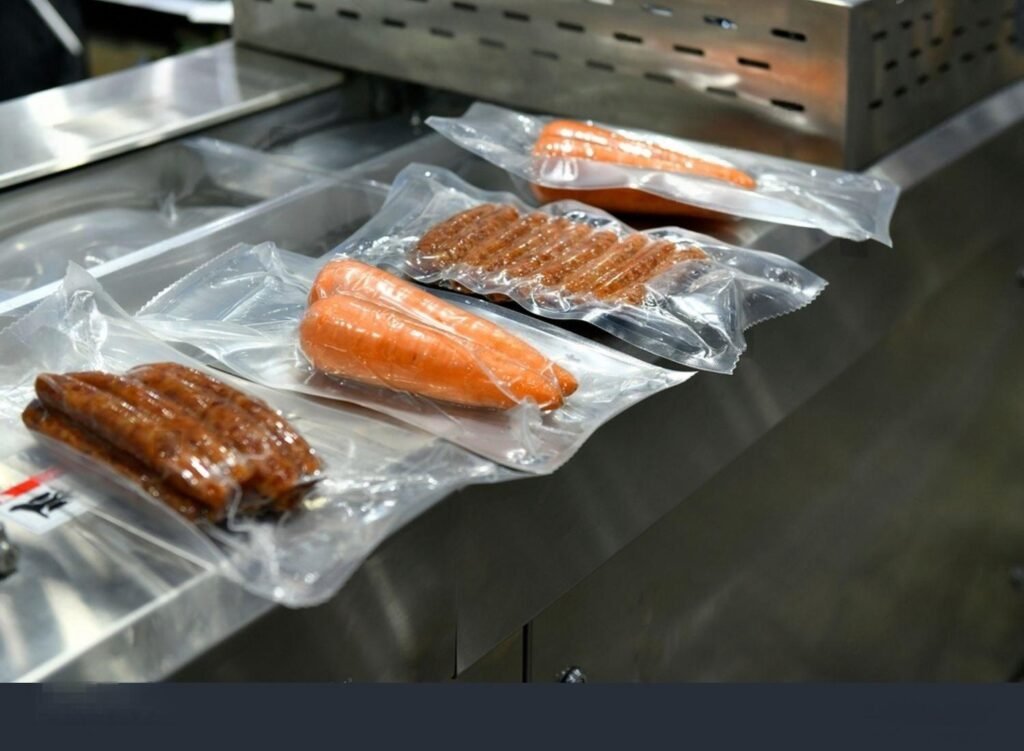
Vacuum packaging
Best for: meats, cheese, prepared foods, some bakery items, and many refrigerated products.
Why it preserves freshness
- Reduces oxygen to slow oxidation and microbial growth
- Improves storage efficiency
Key tips
- Requires proper equipment and compatible films
- Not suitable for all textures and product presentations
- Seal reliability is critical—any leak defeats the benefit
Modified atmosphere packaging
Best for: fresh produce, meats, baked goods, some ready meals.
Why it preserves freshness
- Replaces air with a controlled gas mix to slow spoilage and maintain texture
Key tips
- Requires specialized equipment and careful product matching
- Not a universal solution—must be validated per food type and storage temperature
Paper boxes with functional barriers
Best for: bakery, dry foods, takeaway items, meal kits with inner packs.
Why it preserves freshness
- Paper alone is not a strong barrier, but barrier-coated paperboard can help in many applications
- Great for secondary packaging and presentation
Key tips
- Confirm coating type and performance for grease and moisture
- Keep structures easy to close and reseal where needed
- Avoid designs that pop open or crush easily in delivery
Supply-Packagings supports paper boxes and secondary packaging systems that protect freshness while improving brand presentation.
Freshness features that matter most
Resealable closures
Resealability can dramatically extend freshness after opening.
Best options include:
- Zippers on pouches
- Press-to-close seals
- Spouts with caps for liquid or semi-liquid foods
- Snap lids for tubs and containers
Practical advice:
- Reseal must be easy and intuitive, or consumers won’t use it.
- For oily or powdery foods, choose zipper designs that don’t clog.
Tamper-evident systems
Freshness is also trust. If customers suspect a pack was opened, they may discard it.
Common solutions:
- Shrink bands for bottles and jars
- Induction seals for many containers
- Tear strips and sealed seams for pouches
- Sticker seals for boxes and lids
Tamper evidence also reduces leakage complaints caused by partially opened closures during transit.
Portion packs and multi-packs
Portioning often beats “one big pack” for freshness.
Works especially well for:
- Nuts and dried fruit
- Supplements and functional powders
- Sauces and dressings
- Bakery items meant for multiple servings
Portion packs reduce oxygen and moisture exposure each time the product is accessed.
Desiccants and oxygen absorbers
For certain foods, active components can extend quality:
- Desiccants to manage humidity for crispy foods
- Oxygen absorbers to reduce oxidation and mold risk
These must be matched to food type and compliance requirements in your market.
Packaging recommendations by food type
Oily foods like nuts, fried snacks, coffee
Main risk: oxidation and rancidity.
Best packaging directions:
- High oxygen barrier flexible packaging
- Foil-based or high-barrier structures where appropriate
- Opaque packaging for light-sensitive oils
Extra tips:
- Use smaller packs or resealable zippers to reduce repeated exposure
- Maintain strong seal integrity during shipping
Crispy foods like chips, crackers, cookies
Main risk: moisture gain and loss of crunch.
Best packaging directions:
- Moisture-barrier flexible packaging
- Strong heat seals and puncture resistance
- Portion packs for multi-day freshness
Extra tips:
- Avoid packages that are too large for the fill amount, which can increase internal air volume and crushing risk.
Bakery and bread
Main risks: staling and mold, depending on moisture and storage temperature.
Best packaging directions:
- Breathability control: too sealed can cause condensation; too open accelerates drying
- Paper boxes with correct inner barrier or bags when needed
- For longer shelf life: validated barrier films or controlled atmosphere solutions
Extra tips:
- If customers reheat, consider packaging that supports safe reheating instructions and won’t degrade.
Sauces, dressings, and condiments
Main risks: contamination, leaks, and flavor changes.
Best packaging directions:
- Glass jars for premium, high barrier, hot-fill compatibility
- Bottle packaging with reliable closures for pourable liquids
- Spouted pouches for refills or foodservice efficiency
- Pumps and dispensers for controlled dosing and hygiene in back-of-house
Supply-Packagings supports bottles, jars, and pump & dispenser systems suitable for many sauce and condiment applications.
Fresh produce and salads
Main risks: respiration, moisture, and bruising.
Best packaging directions:
- Venting strategies and moisture management
- Clear containers for visibility with reliable lids
- Compartment packaging to separate wet ingredients and dressings
Extra tips:
- Separate sauce cups can extend freshness and improve customer satisfaction.
Meal prep and ready-to-eat meals
Main risks: leaks, odor transfer, and temperature abuse.
Best packaging directions:
- Containers with strong lids for vibration resistance
- Secondary containment for sauces
- Compartment designs to keep textures separate
Extra tips:
- “Fresh longer” often means reducing cross-contact and sogginess, not just adding barrier.
How to choose the right packaging in 5 steps
Step 1: Define the freshness target
- How many days of shelf life do you need
- Pantry, refrigerated, or frozen
- Unopened vs after opening
Step 2: Identify your biggest risk factor
Pick the primary driver:
- Oxygen
- Moisture
- Light
- Contamination
- Crushing and puncture
- Temperature swings
Step 3: Select the packaging format that fits operations
- Retail shelf vs delivery
- Filling method and equipment
- Storage space and shipping weight
Step 4: Add the minimum necessary features
- Reseal if the product is used multiple times
- Tamper evidence if trust matters
- Portion packs if repeated opening ruins freshness
Step 5: Validate with real tests
At minimum:
- Seal strength checks
- Drop and vibration tests for shipping
- Storage tests for texture and flavor
- Leak tests for liquids
Common mistakes that reduce freshness
- Choosing packaging by appearance only, not barrier needs
- Using a high-barrier film but weak seals
- Ignoring pinhole and puncture risk in shipping
- Oversizing packages, increasing air volume and product movement
- No reseal feature for multi-use products
- Making “freshness claims” without validating shelf life
FAQ
What packaging keeps food fresh the longest
It depends on the food. For many items, high-barrier flexible packaging, glass jars, vacuum packaging, or modified atmosphere packaging can extend freshness significantly. The best choice is the one that matches your food’s oxygen and moisture sensitivity and has reliable seals.
How do resealable pouches help keep food fresh
They reduce exposure to air and humidity after opening. A well-designed zipper or spout cap makes it easier for consumers to reseal properly, improving real-world freshness.
Is glass better than plastic for freshness
Glass is an excellent barrier and protects flavor very well, but it’s heavier and breakable. High-barrier flexible packaging can also provide strong freshness protection with lower shipping weight. The right choice depends on your product, shipping, and customer usage.
How can restaurants keep takeaway food fresher longer
Use packaging that controls steam and moisture, choose lids that don’t leak under vibration, separate wet components like sauces, and right-size containers to reduce movement. For premium sauces and retail add-ons, use sealed bottles or jars with tamper evidence.
Freshness-focused packaging solutions from Supply-Packagings
Supply-Packagings provides supply packagings for everything, including bottle packaging, jar packaging, pump & dispenser, flexible packaging, and paper boxes that help protect product quality from production to delivery. If you share your food type, shelf-life target, storage condition, and sales channel, we can recommend packaging structures and components designed to keep food fresh longer—while balancing cost, branding, and real shipping performance.