
Adding your logo to packaging doesn’t require expensive custom molds or huge minimum order quantities. With the right branding shortcuts—like smart label choices, custom stickers, printed tape, and low-MOQ printing—you can make your packaging look professional, consistent, and “real brand” from day one. This guide covers the most cost-effective ways to add a logo across bottle packaging, jar packaging, pump & dispenser, flexible packaging, paper boxes, cosmetic packaging, pharmaceutical containers, supplement packaging, and daily chemical packaging.
Start with the truth about “logo on packaging”
Most small brands assume they need fully custom packaging to look legitimate. In reality, customers mainly notice three things:
- Consistency across products and shipments
- Placement of the logo and the clarity of the label
- Quality cues like clean printing, alignment, and good materials
So the goal isn’t “put logo everywhere.” The goal is to create a repeatable system that looks intentional and scales with your business.
The cheapest branding wins in packaging
If you want the fastest, lowest-cost results, prioritize these in order:
- Custom labels on stock bottles and jars
- Logo stickers for seals and secondary packaging
- Custom printed tape for shipping cartons
- Simple 1–2 color printing on paper boxes or sleeves
- Low-MOQ direct printing only for best-selling SKUs
This approach keeps costs low while still delivering a strong branded unboxing and shelf presence.
Option 1: Printed labels on stock containers
Labels are usually the most budget-friendly way to add a logo because you can use standard bottles/jars and still achieve a custom look.
Best for
- Bottle packaging and jar packaging
- Cosmetic packaging and supplement packaging
- Pharmaceutical containers where clarity and compliance matter
- Daily chemical packaging when you need durability
Why it’s cost-effective
- No custom tooling
- Easy to update designs
- Works at low volumes with digital printing
- Adds brand color, typography, and trust cues—not just a logo
Cost-saving tips
- Use a consistent label template across SKUs
- Keep shapes simple to avoid expensive custom dies
- Reduce ink coverage and heavy backgrounds (white space looks premium and costs less)
Option 2: Logo stickers and seal labels
Stickers are a powerful budget tool because they can brand almost anything: cartons, jars, tissue wraps, inner bags, and even shipping boxes.
Best for
- Paper boxes and secondary packaging
- Jar packaging where you want a clean seal across lid and jar
- Bundles, sets, and gift kits
- Tamper-evident “sealed for you” messaging
What makes stickers look premium
- Consistent placement and alignment
- Clean die-cut shapes
- Good material choice: matte paper, clear film, or metallic paper in small doses
Watch-outs
- Low-quality adhesive can peel in cold or humid shipping lanes
- Overusing stickers can look improvised; use them as a deliberate design element
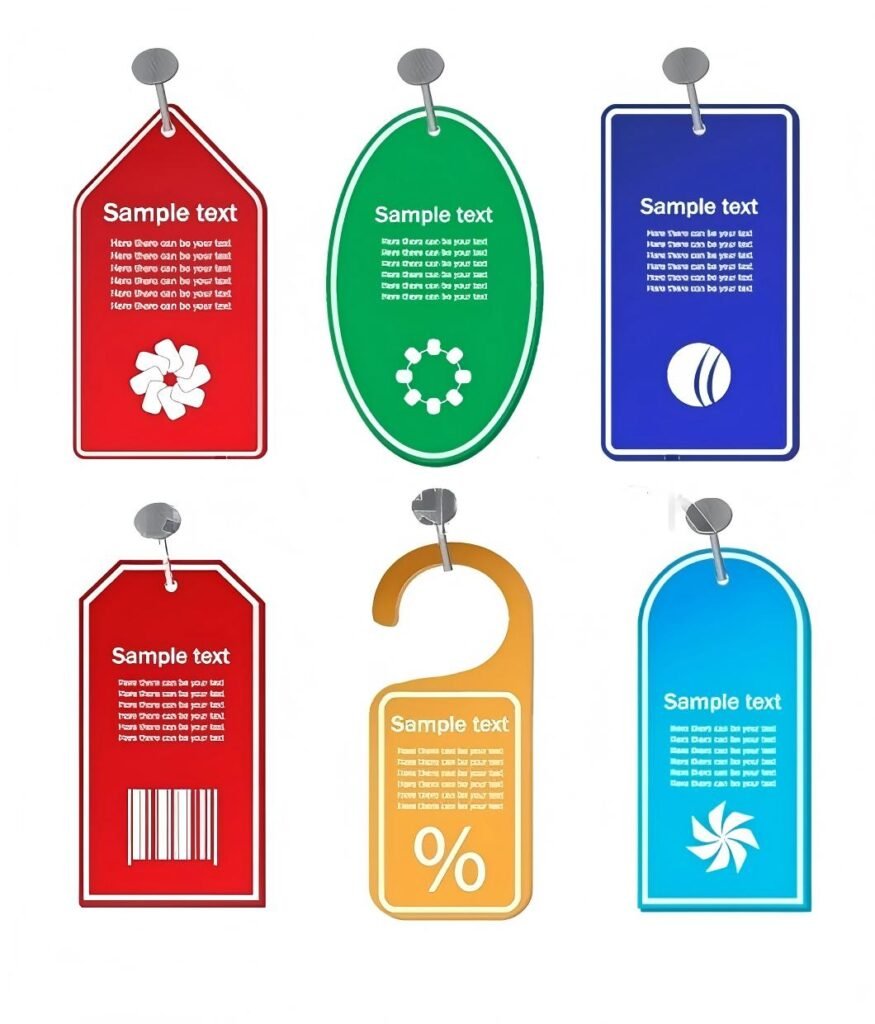
Option 3: Custom printed tape for shipping cartons
Printed tape is one of the best “cheap branding wins” for small businesses because it turns plain boxes into branded packages without custom box printing.
Best for
- E-commerce shipments
- Subscription shipments
- Wholesale cartons and case packs
- Brands using standard corrugated boxes
Why it works
- Customers look at the seam first when opening
- It creates repeated logo impressions
- It can add a light tamper-evident signal
Tape choices
- Pressure-sensitive tape for simplicity
- Water-activated tape for stronger sealing and a premium look
- Reinforced tape for heavy shipments like multi-bottle supplements or daily chemical products
Design tip
Keep tape artwork bold and simple: logo + website + short phrase. Tape is viewed quickly and often at a distance.
Option 4: Rubber stamps and ink stamping
For very small runs, stamping can be the cheapest way to add a logo—especially on paper-based packaging.
Best for
- Kraft paper boxes, mailers, bags, and inserts
- Small batch launches, seasonal bundles, testing new SKUs
Pros
- Very low startup cost
- Fast changes without reprinting inventory
- Natural “handmade” brand feel
Cons
- Not consistent enough for premium or clinical positioning
- Smudging and uneven impressions can hurt perceived quality
- Not ideal for regulated categories requiring clean, precise presentation
If your brand is positioned as clinical skincare, supplements, or pharma-adjacent, stamped logos may look too informal. For natural/handcrafted brands, stamping can be a perfect match.
Option 5: Low-MOQ printing on paper boxes and sleeves
If you need stronger retail presentation, a printed carton or sleeve can be a high-impact step without going fully custom.
Best for
- Cosmetic packaging sets and gift-ready products
- Supplement packaging that benefits from premium “boxed” trust signals
- Pharmaceutical containers where secondary packaging carries compliance text
How to keep it affordable
- Print 1–2 colors instead of full coverage
- Use a sleeve (less material) instead of a fully printed rigid box
- Choose standard carton dimensions to reduce tooling costs
- Avoid lamination if you want easier recyclability and simpler production
Option 6: Direct printing on containers
Direct printing means putting the logo directly on the bottle, jar, cap, or tube via screen printing, pad printing, or digital methods.
Best for
- Best-selling SKUs with stable demand
- Premium cosmetic packaging where “label-free” looks high-end
- Brands that want water resistance and a clean silhouette
Trade-offs
- Higher setup costs and higher MOQ compared with labels
- Less flexibility if you change design or compliance text
- More risk if inventory changes or you rebrand
A smart strategy is to start with labels, prove your sales volume, then upgrade to direct printing for your hero products.
Best logo-adding methods by packaging type
Bottle packaging
Most cost-effective:
- Printed label + branded cap color
- Small seal sticker (optional)
Premium upgrade: - Direct screen printing on glass or PET
Key detail: - Make sure the logo placement doesn’t fight the product name—clarity sells.
Jar packaging
Most cost-effective:
- Wrap label + lid-top sticker
- Tamper-evident seal label bridging lid and jar
Premium upgrade: - Direct printing on jar + embossed lid (if volume supports it)
Pump & dispenser
Most cost-effective:
- Label branding on bottle + consistent actuator color
- Overcap for premium lines
Premium upgrade: - Custom-colored pump components (when MOQ allows)
Key detail: - A “cheap-feeling” pump can undo premium branding. Function is part of brand.
Flexible packaging
Most cost-effective:
- Digital printed pouches for low runs
- Pre-made pouches + branded label panel sticker
Premium upgrade: - Rotogravure/flexo printing for high volumes
Key detail: - Seal strength and puncture resistance matter more than decoration—leaks destroy trust.
Paper boxes
Most cost-effective:
- 1–2 color printing
- Sleeve + sticker seal
- Insert card with logo
Premium upgrade: - Spot varnish or foil on a small logo area only
Key detail: - Avoid over-finishing early; structure and clarity create premium feel with less cost.
Cosmetic packaging
Most cost-effective:
- Consistent label system + one signature brand color
- Sticker seal + simple paper box for sets
Premium upgrade: - Direct print on primary pack + molded insert for presentation
Key detail: - Cosmetics sell on visual consistency and daily usability. Packaging must arrive perfect.
Pharmaceutical containers
Most cost-effective:
- High-clarity labels with compliant layout and durable adhesive
- Simple, clean secondary cartons
Premium upgrade: - Direct printing only when compliance text won’t change frequently
Key detail: - Precision and readability beat decorative branding in trust-sensitive categories.
Supplement packaging
Most cost-effective:
- Professional label layout + tamper-evident seal + optional carton
Premium upgrade: - Direct print on bottle for flagship products
Key detail: - Supplements rely on credibility. Cheap sticker placement can look suspicious—keep it aligned and clean.
Daily chemical packaging
Most cost-effective:
- Durable labels + simple icon system + consistent cap/pump color
Premium upgrade: - Direct print for wet environments or shower products
Key detail: - Leak-free performance and easy dispensing are the real “branding” customers remember.
A budget-friendly step-by-step plan
Step 1: Pick stock packaging that already looks good
A clean stock bottle or jar shape reduces the need for expensive decoration.
Step 2: Build one label template system
Use the same grid, logo position, and typography across SKUs. Change only:
- product name
- variant color
- key benefit line
Step 3: Add one shipping-level brand element
Custom printed tape is often the best. It brands every shipment instantly.
Step 4: Upgrade one hero product at a time
Once a SKU proves sales volume, upgrade it:
- direct printing
- premium carton
- custom insert
This prevents you from over-investing before demand is stable.
Design rules that make low-cost logo branding look expensive
- Use fewer colors with stronger contrast
- Keep the logo size consistent across products
- Align logo, product name, and key claims to a grid
- Leave white space so the package can “breathe”
- Use one signature brand element: cap color, icon, or pattern
- Avoid too many fonts or too many badge-style claims
Most “premium” packaging is discipline, not decoration.
Common mistakes that waste money
- Printing custom boxes before right-sizing and stabilizing your shipping system
- Adding too many packaging SKUs and creating inventory complexity
- Choosing cheap adhesives that fail in shipping and make packs look tampered
- Over-designing labels so customers can’t quickly identify the product
- Buying large printed inventory before your branding is stable
FAQ
What is the cheapest way to put a logo on packaging
Usually printed labels on stock containers, plus a logo sticker for seals or cartons. For shipping boxes, custom printed tape is often the cheapest “big impact” upgrade.
Is custom printed packaging always expensive
No. You can achieve a branded look with labels, stickers, sleeves, and printed tape at relatively low cost. Fully custom molds and heavy finishing are what usually drive costs up.
Should I print my logo on the bottle or use a label
Start with labels for flexibility and low MOQ. Upgrade to direct printing when your design is stable and the SKU volume justifies higher setup costs.
How can I make branded packaging look premium without special finishes
Use clean hierarchy, consistent spacing, limited colors, quality materials, and reliable components like caps and pumps. Premium is mostly execution and performance.
Add your logo to packaging with Supply-Packagings
Supply-Packagings provides supply packagings for everything, including Bottle Packaging, Jar Packaging, Pump & Dispenser, Flexible Packaging, Paper Boxes, Cosmetic Packaging, Pharmaceutical Containers, Supplement Packaging, and Daily Chemical Packaging. If you want to add your logo on a small budget, we can recommend the best low-MOQ options—labels, stickers, printed tape, sleeves, and scalable upgrades—so your packaging looks branded, ships safely, and stays cost-effective as you grow.
Share your product type, container format, target markets, and estimated order volume, and we’ll suggest the most practical logo-branding approach for your packaging.